Plastic Materials for Custom Manufacturing
- 50+ plastics we machine & mold — ABS to PTFE
- From general purpose to high-performance grades
- Glass/carbon filled, flame retardant, custom colors
- Industry-compliant material options
Expert Engineering Consultation Plastic Selection
Application-based material recommendation
Design for manufacturability (DFM) review
Cost vs performance optimization
Prototype material validation
Plastic Materials We Machining & Molding
ABS
PP
PA/Nylon
PE
PS
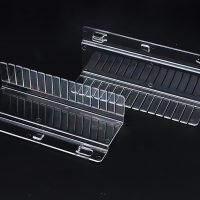
Rigid and transparent but brittle. Low-cost and easy to fabricate. Common in disposable cups, CD cases, and packaging trays.
PVC
PC
POM/Acetal
PMMA/Acrylic
Crystal-clear alternative to glass with excellent weatherability. More brittle than PC. Popular for signage, light covers, and display fixtures.
PC/ABS
Alloy combining PC’s strength with ABS’s processability. Better heat resistance than ABS alone. Used for laptop housings and power tool bodies.
LDPE
Soft, flexible, and transparent. Excellent for squeeze bottles and stretch films. Lower strength than HDPE.
HDPE
Stiff, strong, and moisture-resistant. Opaque white appearance. Used for milk jugs, chemical drums, and piping systems.
PTFE/Teflon
Extreme chemical resistance and lowest friction of any plastic. Stable from -200°C to 260°C. Used for seals, non-stick coatings, and chemical linings.
UHMWPE
MC Nylon
Higher molecular weight than injection-grade nylon. Superior wear resistance for large parts. Used for industrial rollers, bushings, and conveyor components.
Plastic Material Custom Modification
- Glass-filled and mineral-filled plastics
- Flame-retardant grades
- UV-resistant and weather-resistant plastics
- Color matching and aesthetic requirements
- Food-grade and medical-grade plastics
- Customer-specified materials and brands
Get Your Custom Plastic Parts
Jiangzhi Processing Services
FAQs About Plastic Material Parts
Use low-shrinkage, good-flow materials and keep wall thickness uniform. High-shrinkage plastics (like PP, PA) need thinner walls, while high-filled PC may require thicker walls.
PC, PC/ABS, and POM offer high strength and toughness, ideal for load-bearing or impact-prone components. Glass-fiber reinforced grades can further enhance performance.
Yes, PMMA and PC are commonly used for transparent parts. Use optical-grade materials and control processing conditions to avoid bubbles or haziness.
Use engineering plastics like PA, PC, or POM, which maintain strength and shape at elevated temperatures without deforming or losing performance.
POM, PTFE, HDPE, and PP have low water absorption and maintain dimensional stability. Avoid high-absorption plastics (like standard PA) to prevent swelling or deformation.
Related Post for Plastic Material
Nylon Injection Molding Guide: Material, Process & Applications
From automotive gears to consumer zippers, nylon injection molding transforms nylon plastic into precise, durable components. In this article, we
CNC Plastic Machining Guide: Materials, Techniques, and Finishing
CNC plastic machining is a key manufacturing process for precise, versatile, and high-quality fabricated plastic parts. This process uses computer
Plastic Parts Design Guidelines: 7 Key Principles for Effective Manufacturing
Correct custom plastic part design is crucial for ensuring durability, functionality, and manufacturability. Proper design can reduce production costs, improve