TPE Injection Molding Material
Thermoplastic-Elastomers Overview
Thermoplastic elastomers (TPEs) are a family of versatile polymers that exhibit both rubber-like elasticity and thermoplastic processability. With a unique blend of flexibility, chemical resistance, and weather resistance, TPEs find extensive use in various industries. They can be easily molded and processed, providing manufacturers with a cost-effective solution for applications requiring both elasticity and moldability.
Whether in consumer goods, automotive components, or medical devices, TPEs offer a range of tailored properties, making them a preferred choice for manufacturers seeking adaptable materials for diverse applications.
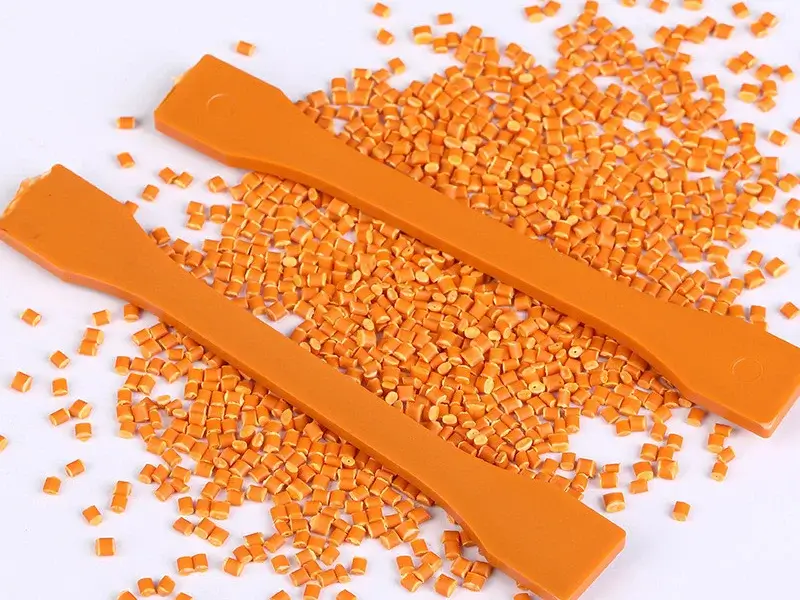
Here are the resins we supply:
Theromoplastic Elastomer Material Property
| Material Type | Hardness | Elasticity | Wear Resistance | Chemical Resistance | High-Temperature Resistance |
|---|---|---|---|---|---|
| TPE | 50-90 Shore A | High | Excellent | Excellent | Excellent |
| TPU | 40-95 Shore A | High | Excellent | Good | Good |
| TPV | 50-90 Shore A | Good | Good | Excellent | Good |
Key Points:
- Hardness: Indicates how hard or soft the material is.
- Elasticity: Refers to flexibility and resilience.
- Wear Resistance: How well the material resists wear and tear.
- Chemical Resistance: Ability to resist chemicals.
- High-Temperature Resistance: How well the material handles high temperatures
- Resistance: How well the material handles high temperatures.
Material Modification
Jiangzhi TPE Processing Service
Advantages of TPE in Manufacturing
Ease of Processing
Thermoplastic Nature
Excellent Flexibility
Overmolding Capability
Rubber Part in Different Industries
FAQs About TPE Molding Materials
TPE has the elasticity of rubber and the processability of plastic, and can be recycled, and rubber usually needs to be vulcanized, which is difficult to process.
The temperature resistance of TPE varies by type, and TPV has excellent high temperature resistance, while TPU is more suitable for normal or low temperature environments.
Molding temperature control: TPE requires precise temperature control to ensure optimal flow and molding results.
Mold design: Due to the low fluidity of TPE, mold design requires special attention to ensure uniform filling and avoid defects.
The right injection molding machine: An injection molding machine suitable for TPE material characteristics needs to be selected to ensure precise control of the injection molding process.
The selection of the appropriate TPE material needs to consider the performance requirements of the product (such as hardness, temperature resistance, elasticity, etc.), the processing process (such as the adaptation of the injection molding machine) and the environment of the end use (such as whether the anti-UV, anti-aging and other characteristics are required).
Jiangzhi Popular Post
CNC Machining or Injection Molding? Compare Cost, Speed, and Quality
CNC machining and injection molding appear frequently in modern manufacturing. These processes handle precise components but follow different paths. CNC
Injection Molding vs 3D Printing: Which Is Better for Your Project?
Injection molding vs 3D printing debates often arise when selecting the right method for a project. Generally, large-volume production relies
Tapped Hole vs Threaded Hole: Key Differences
In modern mechanical design and manufacturing, even the smallest design features can significantly influence performance, assembly, and cost efficiency. Threaded