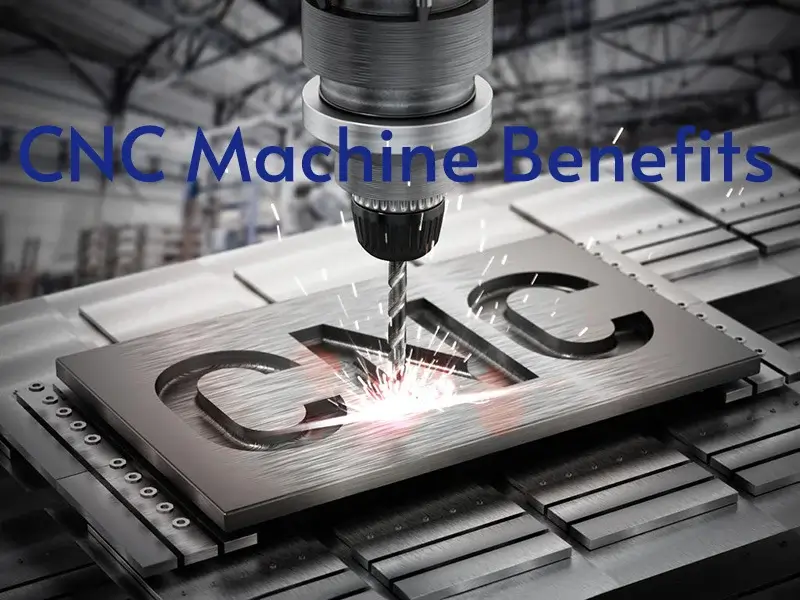
CNC machining, or computer numerical control machining, is a manufacturing process that uses pre-programmed computer software to control the movement of factory tools and machinery. This subtractive method removes material from a solid block to create precise parts. The process delivers high accuracy and repeatability, making it essential for producing complex components. However, while the process offers numerous benefits, it also comes with limitations that must be carefully considered when selecting a manufacturing method.
CNC Machining Main Advantages
CNC machining provides several key advantages that make it a preferred method in many production scenarios.
High Precision and Consistency
CNC machines are capable of producing parts with extremely tight tolerances. This precision ensures that each component in a batch is nearly identical, minimizing variability. The high repeatability of CNC machining reduces errors caused by manual operations. By controlling tool paths and cutting conditions with computer software, CNC machining can maintain micron-level accuracy, a capability that is difficult to replicate with manual machining.
Ability to Handle Complex Geometries
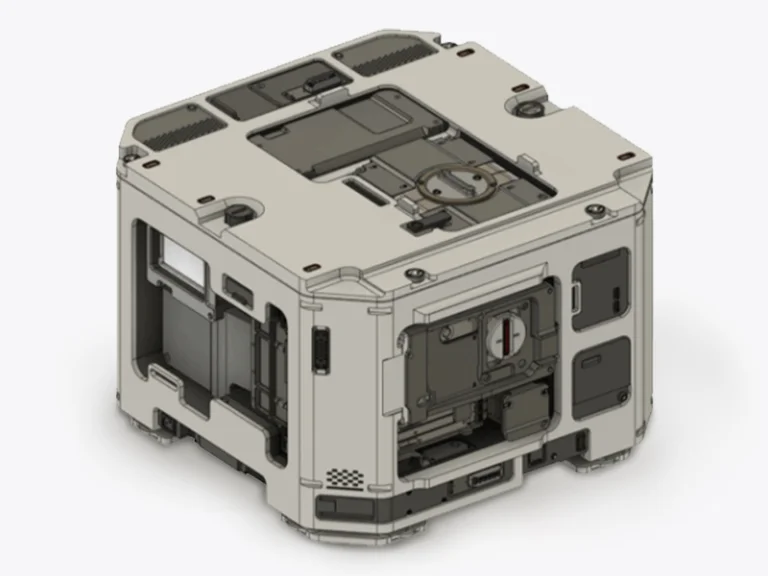
One of the most significant CNC advantages is the ability to create intricate and complex shapes that would be challenging with traditional machining methods. 3D contours, pockets, threads, and irregular surfaces can all be produced efficiently.
Material Versatility
CNC machines can process a wide range of materials, including metals, plastics, composites, and specialty alloys. This flexibility allows manufacturers to select the best material for a particular application, balancing strength, durability, and cost.
Lower Labor Costs
Automation is a core CNC advantage that directly reduces labor costs. Once the programming is complete, the machine operates with minimal human intervention. This not only decreases the need for constant manual supervision but also lowers the likelihood of human error.
Rapid Prototyping and Low-Volume Production
CNC machining is well-suited for prototyping and small-batch production. Designers can iterate quickly by modifying CAD models and updating machine programs, allowing for faster testing and refinement.
CNC Machining Disadvantages
Despite its many benefits, there are several CNC disadvantages that must be considered.
High Initial Investment
One of the main CNC machining disadvantages is the high cost of acquiring and maintaining CNC equipment. Advanced machines can require significant capital investment, and additional expenses include software licenses, maintenance, and tooling.
Significant Material Waste
Material waste is inherent in the subtractive process. Excess stock is removed as chips or scrap, leading to higher raw material consumption than additive techniques. This raises costs, particularly with expensive alloys.
Technical Skill Required for Programming
Programming demands technical expertise. Creating accurate CAD/CAM files and verifying toolpaths requires trained personnel. Errors in code can result in scrapped parts, tool damage, or machine issues.
Longer Setup Time for Complex Parts
Designing tool paths, selecting appropriate cutting parameters, and setting up fixtures can take hours or even days for highly complex components. For very simple parts or extremely high-volume production runs, alternative processes may offer faster throughput.
Limitations with Certain Materials or Shapes
Extremely brittle materials may fracture during machining, and very large workpieces can exceed machine travel limits. Additionally, some designs with extremely deep cavities or undercuts may require specialized tooling or multiple setups, reducing efficiency.
When to Use CNC Machining
Understanding CNC advantages and disadvantages allows manufacturers to identify situations where CNC machining is the optimal choice:
- High Precision Requirements: Components that demand strict tolerances, such as aerospace brackets, medical implants, or precision gears, are ideal candidates.
- Complex Geometries: Parts with intricate 3D features, multi-axis contours, or complex thread forms benefit from CNC capabilities.
- Prototyping and Small Batch Production: Rapid iteration cycles and customization are efficiently managed with CNC machining.
- Diverse Material Needs: When different materials are required across parts, CNC offers the flexibility to handle metals, plastics, and composites within the same facility.
Conclusion
The CNC machining advantages and disadvantages illustrate that while the process provides high-quality, consistent, and complex part production, it also requires significant investment, skilled personnel, and careful consideration of material and design constraints. Welcome to consult the Jiangzhi team. We can review drawings and requirements to confirm if CNC machining is optimal or if hybrid solutions are needed to optimize efficiency, quality, and return on investment.
FAQ
What is the difference between CNC machining and 3D printing?
CNC machining removes material from a solid block using cutting tools, while 3D printing builds parts layer by layer by adding material. CNC is generally more precise and suitable for a wider range of materials.
Is CNC machining suitable for prototyping?
Yes, CNC machining is ideal for prototyping, especially when high precision and functional parts are required. It allows for rapid iteration with different materials.
How precise can CNC machining be?
CNC machining can achieve very high precision, often within ±0.01 mm (10 microns), depending on the machine, tooling, and material.