Both acrylic (PMMA) and polycarbonate (PC) are two of the most commonly used transparent plastics. But the material properties are different that affect machining outcomes, part performance, and overall costs. In this article, we will compare machining acrylic vs polycarbonate, focusing on their properties, machining methods, and factors to consider when choosing between these two materials.
What is Acrylic (PMMA)?
Acrylic, often referred to as PMMA (Polymethyl Methacrylate), is a transparent thermoplastic known for its optical clarity and UV resistance. It is a lightweight alternative to glass, offering excellent transparency with better weathering properties. It is produced through the polymerization of methyl methacrylate monomers and is available in sheets, rods, or tubes for various applications. Common machining methods for acrylic include CNC milling, turning, laser cutting, and drilling.
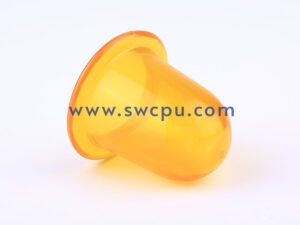
In terms of applications, acrylic is used in optical components like lenses and windows, signage, displays, and protective barriers. Its ability to transmit light efficiently—up to 92%—makes it ideal for environments requiring visibility without distortion. Machining acrylic involves standard tools, but care is needed to prevent chipping or melting at high speeds.
What is Polycarbonate (PC)?
Polycarbonate (PC) is a thermoplastic made from bisphenol A and phosgene, resulting in a material with high toughness and thermal resistance. It is supplied in forms such as sheets and pellets, suitable for extrusion or injection molding alongside machining. Typical processing techniques include CNC machining, injection molding, and routing, which leverage its flexibility.
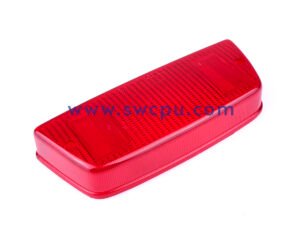
Applications for polycarbonate span safety equipment like helmets and shields, automotive parts such as headlamp lenses, and electronic enclosures. Its impact strength, which can be 250 times greater than glass, makes it suitable for high-stress environments. During machining polycarbonate, operators must manage stress to avoid cracking, often using specialized coolants.
Comparing Acrylic and Polycarbonate: A Property Overview
While acrylic and polycarbonate share some similarities, they have distinct characteristics that make them suitable for different applications. The table below highlights the key properties of these two materials:
| Property | Acrylic (PMMA) | Polycarbonate (PC) | |
|---|---|---|---|
| Impact Resistance | Low | High | |
| Transparency | 92% light transmittance | 88-90% light transmittance | |
| Hardness | Rockwell M85-100; good scratch resistance | Rockwell M70-75; prone to scratches | |
| Thermal Softening Point | 80-100°C | Starts at 7-14 business days | |
| UV Resistance | Excellent | Good | |
| Density | 1.18 g/cm³ | 1.20 g/cm³ | |
| Chemical Resistance | Resistant to weak acids/bases; vulnerable to solvents | Good against many chemicals; sensitive to alkalis | |
| Cost | Cost | High |
Key Differences in Machining Acrylic vs Polycarbonate
When comparing machining acrylic vs polycarbonate, there are several factors to consider, including the machining techniques, parameters, and applications.
Machining Ease
Tooling Requirements
Acrylic is typically machined using standard CNC equipment equipped with carbide tools. It responds well to conventional cutting approaches. Polycarbonate often benefits from polycrystalline diamond (PCD) tools to minimize adhesion and extend tool life.
Machining Parameters
For acrylic, milling usually occurs at spindle speeds of 5000–8000 RPM with feed rates of 100–200 mm/min. These settings help achieve smooth finishes without excessive heat buildup. In contrast, polycarbonate machining calls for higher spindle speeds, typically 8000–12000 RPM, paired with slower feed rates of 50–150 mm/min. The slower feeds reduce the risk of internal stress accumulation that can lead to cracking.
Coolant and Lubrication Choices
Acrylic is less sensitive to moisture. It can be machined dry or with water-based coolants in many cases. Polycarbonate requires more care. Air blasts or minimal oil mist are the preferred options for cooling and chip removal during machining polycarbonate.
Cost
Machining acrylic tends to be more economical overall. Material costs are lower, tooling requirements are simpler, and scrap rates remain low. Polycarbonate processing incurs higher costs due to elevated material prices, frequent annealing, and increased tool wear and maintenance. However, polycarbonate has better properties, including impact resistance and durability.
Surface Treatment Options for Acrylic and Polycarbonate
Surface treatments enhance the functionality and appearance of machined acrylic and polycarbonate parts.
Acrylic Surface Treatments:
- Mechanical polishing is the common option for acrylic, such as sanding followed by buffing with compounds, to achieve a high-gloss finish.
- Chemical polishing uses vapors like chloroform to smooth surfaces evenly, ideal for complex shapes.
- Coatings, such as UV-resistant layers, protect against yellowing, and hard coats improve scratch resistance.
Polycarbonate Surface Treatments:
Polycarbonate surface treatments focus on addressing its softness.
Hard coatings, often silicone or acrylic-based, are applied via dipping or spraying to boost abrasion resistance.
Anti-reflective or conductive films can be added through vacuum deposition for optical or electronic applications.
Annealing is a thermal treatment that not only relieves stress but also improves surface integrity by reducing microcracks.
Machining Polycarbonate vs Acrylic: Choosing the Right One for Your Project
When deciding between machining polycarbonate vs acrylic, evaluate project requirements systematically.
Performance Needs
If high optical clarity and low weight are priorities, select acrylic for applications like displays or lenses. For projects demanding impact resistance, such as protective covers, polycarbonate is better despite its higher cost.
Environmental Factors
Acrylic suits indoor, low-temperature settings, while polycarbonate handles heat up to 150°C and outdoor exposure with proper coatings.
Budget
Acrylic is more affordable and easier to machine, making it suitable for low-cost, high-volume applications. Polycarbonate is more expensive but is necessary for high-performance applications.
Conclusion
Machining acrylic vs polycarbonate involves weighing properties, processes, and costs to meet project goals. Acrylic provides clarity and ease, while polycarbonate offers strength and resilience. Jiangzhi provides custom acrylic machining and polycarbonate machining. Welcome to contact us and get a custom solution for your project.