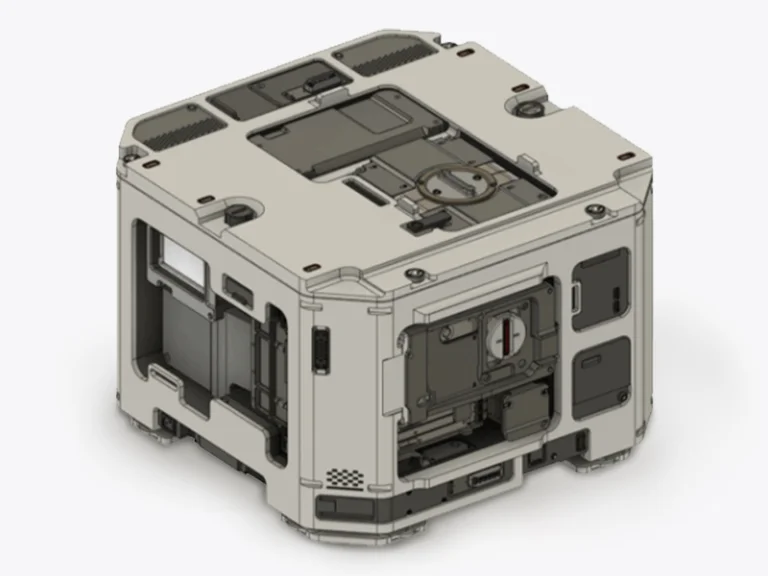
Vacuum compression molding is an advanced variation of conventional rubber compression molding. By creating a vacuum environment within the mold, this process effectively removes air from the cavity, improving both the consistency and quality of rubber components.
What is Vacuum Compression Molding?
Vacuum compression molding is a manufacturing process used primarily for rubber parts. It combines traditional compression molding principles with vacuum technology. In standard compression molding, uncured rubber compound is placed in a heated mold, and pressure forces the material to fill the cavity while heat initiates vulcanization. Vacuum compression molding adds a vacuum step to evacuate air and gases from the mold. This prevents voids, porosity, and incomplete filling that often occur when air remains trapped.
The process is especially useful for producing precise rubber components where uniformity and defect-free surfaces are required. It applies to various elastomers, including natural rubber, silicone, EPDM, and nitrile. The vacuum ensures the rubber flows more evenly under pressure, leading to consistent density throughout the part.
The Vacuum Compression Molding Process
The vacuum compression molding process involves several sequential steps:
- Material preparation: Select and mix the rubber compound with fillers, vulcanizing agents, and additives to meet the required properties.
- Preheating and preforming: Heat the compound to make it soft and pliable without starting vulcanization. Shape it into preforms if needed for easier placement.
- Mold preparation: Use precision metal molds designed for high temperatures and pressures. Preheat the mold halves to the curing temperature.
- Loading the mold: Place the preheated rubber preform into the open mold cavity.
- Vacuum application: Once the rubber is positioned, close the mold partially or fully, then activate the vacuum system to remove air from the cavity. This step creates a low-pressure environment that draws out trapped gases.
- Compression and Vulcanization: Apply hydraulic pressure to force the rubber into all areas of the cavity. Maintain heat and pressure for the required curing time.
- Cooling and demolding: Cool the mold, open it, and remove the finished part. Trim excess flash if necessary.
Vacuum Compression Molding vs Traditional Rubber Compression Molding
Both processes shape rubber by compressing material in a heated mold, but the key difference lies in how air is managed during molding.
Vacuum compression molding removes air from the mold cavity before and during compression. This reduces trapped air, helping prevent bubbles, voids, and surface imperfections. The result is rubber parts with smoother surfaces, more consistent density, and higher dimensional accuracy—making this method ideal for precision seals, medical components, and high-performance rubber products.
Traditional rubber compression molding does not use a vacuum stage. Rubber is placed directly into the heated mold and compressed under pressure. This method is simple, reliable, and cost-efficient for many standard rubber components, though small amounts of trapped air can sometimes lead to minor surface defects in complex or thick parts.
In general, vacuum compression molding is preferred when product quality and consistency are critical, while traditional compression molding remains a practical solution for high-volume production where cost efficiency is the main priority.
Advantages of Vacuum Compression Molding
Compared to traditional compression molding, vacuum compression molding offers several practical benefits.
- Improved Product Quality: Reduced air entrapment and consistent vulcanization lead to more uniform density and mechanical properties.
- Improved dimensional accuracy: Uniform material flow leads to precise shapes and reduced flash.
- Enhanced Surface Finish: Removing air prevents surface defects, resulting in smoother, defect-free components.
- Reduced Scrap and Waste: By minimizing defects, the process lowers the rate of rejected parts, improving production efficiency.
- Shortened Production Cycles: More effective mold filling and controlled curing contribute to faster and more predictable manufacturing cycles.
- Versatility in Material Use: Vacuum compression molding can accommodate a range of rubber types, including natural, synthetic, and silicone rubbers.
- Suitability for complex designs: The process handles intricate details and thin walls more reliably than standard compression.
Common Applications of Vacuum Compression Molding
Vacuum compression molding is widely applied across multiple industries. Typical applications include:
- Automotive Components: Seals, gaskets, and vibration-damping elements.
- Medical Devices: Rubber valve seals and gaskets.
- Industrial Equipment: Hoses, pads, and vibration dampers.
- Electrical Insulation: Insulators, connectors, and keypads.
Conclusion
Vacuum compression molding delivers clear improvements over traditional methods by addressing air-related issues in rubber production. It results in higher-quality parts with fewer defects, better uniformity, and stronger performance characteristics. Companies specializing in rubber manufacturing can apply vacuum compression molding to meet specific project needs. Jiangzhi offers custom compression molding solutions. Welcome to contact us and get a professional custom solution.