In the world of manufacturing, how you make a product matters. Among many methods, Compression Molding is a key technique. It creates strong parts for cars, electronics, and homes. This article explains what compression molding products are, how they are made, and why they are important.
What Are Compression Molding Products?
Compression molding is a process where material is placed in a heated mold. The mold closes and presses the material until it fills the shape. After heating or cooling, the product becomes solid.
Unlike injection molding, this method uses direct pressure instead of forcing material through a screw. Because of this, compression molding products usually have these features:
- High strength and stiffness
- Good heat resistance
- Suitable for large or thick parts
- Very little material waste
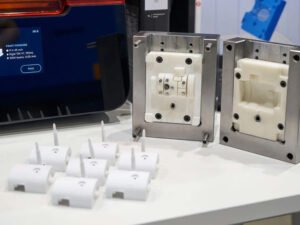
How It Works: The Core Process
The process is simple and direct. Here are the main steps:
- Preparation: The material is measured and often preheated to make it softer.
- Loading: The material is placed into the bottom half of the mold.
- Pressing: The top half of the mold comes down. High pressure is applied.
- Curing or Cooling: For some materials, heat makes them harden. For others, cooling makes them solid.
- Ejection: The mold opens, the part is removed, and extra edges are cleaned off.
Compression Molding Products Common Materials
The strength of the product depends on the material used. Common materials include:
- SMC (Sheet Molding Compound): Strong sheets used for car body parts.
- BMC (Bulk Molding Compound): Good for complex shapes like electrical parts.
- Thermoset Plastics: Materials like phenolic resin that handle high heat well.
- Rubber: Used for seals, gaskets, and shock absorbers.
- Thermoplastic Composites: Newer materials that can be recycled.
Advantages and Disadvantages
Choosing the right process means knowing the good and bad points.
Advantages
- Less Fiber Damage: Gentle pressure keeps strengthening fibers intact.
- Low Stress: Parts do not warp or bend easily.
- Good for Large Parts: Can make big surfaces without flow problems.
- High Material Efficiency: Very little waste, which saves money.
- Lower Mold Cost: Molds are simpler than those for injection molding.
Disadvantages
- Slower Cycle: It takes longer than injection molding.
- Extra Cleaning: Extra material (flash) often needs to be removed by hand.
- Shape Limits: Hard to make parts with deep holes or very thin walls.
Where Are They Used Compression Molding Parts?
Compression molding products are found in many industries:
Automotive Industry
This is the biggest market.
- Body Panels: Hoods, doors, and fenders.
- Structural Parts: Battery trays for electric cars.
- Functional Parts: Fan blades and intake manifolds.
Electrical and Electronics
Used for insulation and heat resistance.
- High Voltage Parts: Circuit breaker cases.
- Components: Switch panels and motor covers.
Consumer Goods and Appliances
- Kitchen: Pot handles that do not get hot.
- Bathroom: Bathtubs and countertops.
- Sports: Helmets and ski boards.
Rubber Industry
- Seals: O-rings and oil seals.
- Shock Absorbers: Car bushings and shoe soles.
Conclusion: When to Choose Compression Molding?
Compression molding is best for large, strong, and heat-resistant parts, especially when using composite materials. It often provides a better balance of performance and cost than injection molding for these applications.
If you need reliable compression-molded components or mining machinery accessories, Jiangzhi offers high-quality parts with experienced engineering support and responsive service.