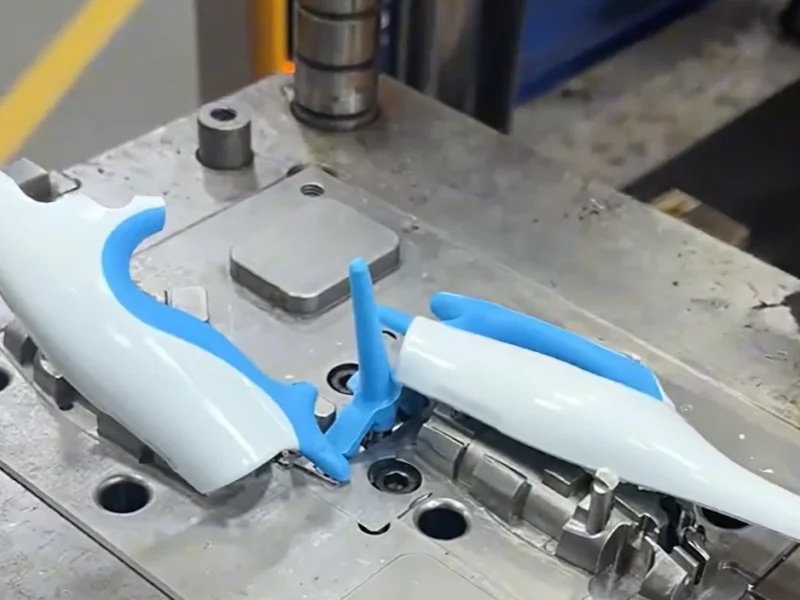
Thermoset injection molding is the process of choice when a part must maintain structural integrity under continuous heat, electrical load, or chemical exposure — conditions where thermoplastics deform or degrade over time. It differs from other molding techniques because the material undergoes a permanent chemical change during production.
What is Thermoset Injection Molding?
Thermoset injection molding is a process in which a liquid or semi-solid material is injected into a heated mold, where it undergoes a chemical curing reaction and permanently hardens into shape. During molding, heat and pressure cause the material to cross-link, transforming it from a flowable state into a rigid structure that cannot be remelted.
Unlike thermoplastics, which can be reheated and reshaped, thermoset materials cure only once and retain their strength, shape, and stability even under heat, mechanical load, or chemical exposure.
The Thermoset Injection Molding Process
The thermoset molding process follows a controlled sequence of steps to ensure proper curing and part quality. The main steps include:
Material Preparation
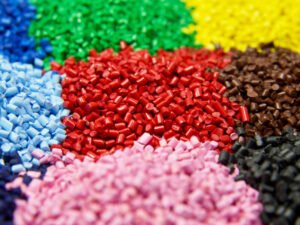
Thermoset polymers are typically supplied as powders, granules, or preheated pellets. Before molding, the material may be mixed with fillers, reinforcements, or colorants to enhance properties such as strength, electrical insulation, or surface finish.
Heating and Plasticization
In thermoset injection molding, the polymer is heated to a temperature where it becomes flowable but not yet fully cured. Unlike thermoplastics, thermosets require careful temperature control to prevent premature cross-linking before injection.
Injection into the Mold
The partially plasticized thermoset material is injected into a preheated mold under high pressure. Mold temperatures typically range from 150°C to 200°C. This heat triggers the curing reaction. Pressure levels reach several thousand psi to fill the cavity completely and compensate for shrinkage during cross-linking.
Curing
Once inside the mold, the material undergoes the thermoset molding process. The cross-linking reaction solidifies the part within seconds to minutes, depending on thickness and resin type. The mold remains closed during this curing period to maintain shape and prevent defects.
Demolding
After the material has fully cured, the part is ejected from the mold. Thermoset parts are rigid and cannot be reshaped, so mold design must account for shrinkage and ease of ejection.
Post-Processing
Additional finishing steps, such as trimming, machining, or coating, may be applied depending on the application.
Key Materials for Thermoset Injection Molding
Thermoset materials used in injection molding offer high performance in demanding applications requiring heat resistance, mechanical strength, and long-term dimensional stability. The selection of a suitable thermoset material depends on operating environment, mechanical requirements, and industry compliance standards.
Phenolic Resins
Phenolic resins deliver high heat resistance and dimensional stability. They withstand continuous exposure to elevated temperatures, maintain rigidity, flame resistance, and good mechanical strength. Common uses include automotive brake parts and electrical switchgear.
Epoxy Resins
Epoxy resins offer low shrinkage and excellent adhesion. They provide strong electrical insulation and chemical resistance. These resins suit electrical housings and electronic components.
Urethane Resins
Urethane thermosets offer flexibility combined with toughness, making them suitable for seals, gaskets, and vibration-damping components.
BMC and SMC
Bulk molding compound (BMC) and sheet molding compound (SMC) combine resins with glass fibers or mineral fillers. These compounds achieve high strength-to-weight ratios. They fill complex molds easily and produce large structural parts. BMC and SMC are frequently processed using compression molding, which is particularly well suited for large structural thermoset parts.
Liquid Silicone Rubber
Liquid silicone rubber (LSR) and other silicone-based thermosets provide flexibility and biocompatibility. They resist extreme temperatures and aging. Medical devices and seals often use these materials.
Diallyl phthalate
Diallyl phthalate (DAP) resins supply superior electrical properties and flame retardance. They appear in connectors and insulators for aerospace and defense applications.
Melamine and Polyester Resins
These materials are used for decorative laminates, kitchenware, and automotive interior parts. They provide high hardness and surface finish quality.
These thermoset materials vary in performance, processing characteristics, and application suitability. For a more detailed comparison of material properties and selection criteria, see our injection molding material selection guide.
Advantages of Thermoset Injection Molding
More Stable Parts in Heat-Exposed Applications
Thermoset materials do not soften once cured, making them suitable for high-temperature applications. In such environments, they outperform thermoplastics in two key aspects:
- Shape retention under continuous heat exposure (e.g., electrical housings and under-hood components)
- Resistance to creep and deformation over time
Fewer Assembly Steps for Complex Parts
Complex features such as ribs, bosses, and inserts can be molded in one cycle. In practice, this often means:
- A 3–5 part assembly can be reduced to a single molded component
- Less fastening or bonding is required
- Lower risk of misalignment or loosening during use
More Predictable Performance Over Product Lifespan
Because the material cross-links during curing, properties remain stable over time. This is useful for:
- Electrical insulation parts that must not degrade
- Components that cannot tolerate dimensional drift
- Products with long service life requirements
Lower Finishing and Adjustment Work After Molding
Parts typically require only basic trimming. Compared to processes that need machining or fitting:
- Production flow is simpler
- Labor variability is reduced
- Unit cost is easier to control in repeat orders
More Effective Metal Replacement in Structural Components
With glass fiber or mineral fillers, thermoset parts can achieve higher stiffness than standard plastics.
- Replacing metal parts with lighter components
- Reducing weight without adding design complexity
- Avoiding corrosion issues
Limitations of Thermoset Injection Molding
Longer Lead Time Compared to Thermoplastics
Curing increases cycle time, leading to longer lead times than thermoplastics. It is less suitable for urgent production or rapid design iteration.
Upfront Cost Only Makes Sense at Volume
Tooling and setup requirements are more demanding, which results in relatively high unit costs for small batches. The cost advantage only becomes clear in stable, high-volume production.
Design Must Be Finalized Early
After tooling is finalized, design changes are difficult and costly, since even small geometry adjustments may require mold modifications. It is not suitable for projects with ongoing design revisions.
No Material Reuse During Production
Scrap generated during startup or process adjustments cannot be reprocessed due to the irreversible nature of thermoset materials. This often leads to higher material waste during initial trial runs, especially in projects with unstable parameters or unclear specifications.
Higher Dependence on Supplier Experience
The process window is narrower than that of thermoplastics. If not properly controlled, defects such as voids, incomplete curing, or surface issues may occur. This makes supplier capability a key factor in final part quality.
Thermoset vs. Thermoplastic Injection Molding
The key differences between thermoset and thermoplastic injection molding lie mainly in material behavior. Thermosets form permanent cross-links during processing and cannot be reheated or reshaped. Thermoplastics soften when heated and harden when cooled, allowing multiple melt cycles.
Thermosets provide superior heat and chemical resistance. Thermoplastics offer faster cycle times and easier recyclability. Both methods use similar injection equipment, yet thermoset molds operate at higher temperatures while thermoplastic molds cool the material. The choice depends on the operating environment of the final part. For most applications, thermoset injection molding excels where long-term durability matters more than material recovery.
Applications of Thermoset Injection Molding
Thermoset injection molding finds application across a wide range of industries:
- Automotive Components: Electrical connectors, ignition parts, and high-temperature engine components.
- Electrical and Electronics: Circuit breakers, switch housings, transformer bobbins, and insulating components.
- Industrial Machinery: Gears, handles, and parts exposed to chemical or thermal stress.
- Consumer Products: Kitchenware, laminate surfaces, and durable tools requiring heat and impact resistance.
Conclusion
Thermoset injection molding is the right choice when your part requires long-term dimensional stability under heat, permanent electrical insulation, or resistance to chemical degradation. For high-volume production of structurally demanding components, thermoset delivers performance that thermoplastics cannot match.
Jiangzhi offers custom thermoset injection molding services tailored to your material, geometry, and production requirements. Contact us to discuss your project.