What Is Low Pressure Injection Molding? Process, Materials, Problems & Solutions

Low pressure injection molding is an established process for protecting sensitive electronic components. Unlike conventional injection molding, which relies on high pressure to fill rigid molds, this method operates under significantly reduced pressure and temperature conditions. It offers a controlled and low-stress environment for encapsulating sensitive components.

What Is Low Pressure Injection Molding?

Low pressure injection molding is a manufacturing process that injects thermoplastic material into a mold at significantly lower pressure than standard injection molding. Typical injection pressures range from 1.5 to 40 bar, compared with several hundred to over 2000 bar in conventional high-pressure processes. The primary purpose of low pressure molding is to encapsulate and protect delicate electronic assemblies such as printed circuit boards (PCBs), sensors, connectors, wire harnesses, and antennas without damaging fragile components, solder joints, or thin wires.

The process fills voids around electronic elements and forms a protective layer that provides waterproofing, dust resistance, vibration damping, and electrical insulation. Because the pressure remains low, the risk of deforming or crushing sensitive parts is minimized.
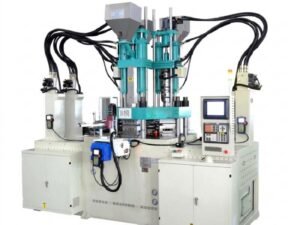
How Does Low Pressure Injection Molding Work?

The low pressure molding process follows a clear sequence of five main steps. Each step is designed to ensure consistent encapsulation while maintaining low stress on the electronic assembly.

Step 1: Material Preparation and Heating

The process begins with the preparation of thermoplastic hot melt materials, typically in solid pellet form. These materials are heated to a relatively low processing temperature compared to conventional plastics, allowing them to reach a low-viscosity, flowable state without degrading.

Step 2: Mold Setup and Component Placement

A mold is prepared according to the geometry of the final encapsulated part. Sensitive components—such as electronic circuits or cable assemblies—are carefully positioned inside the mold cavity. Proper alignment is critical to ensure complete encapsulation and avoid defects.

Step 3: Low Pressure Injection

The heated material is injected into the mold at low pressure. Injection temperatures usually range between 180°C and 240°C, depending on the material. Unlike traditional injection molding, where high pressure forces molten plastic into every corner, low pressure molding process relies on controlled flow to gently surround the components without causing mechanical stress.

Step 4: Filling and Encapsulation

The material flows around the inserted components, filling the cavity and forming a uniform encapsulation layer. Due to its low viscosity and adhesive properties, the material bonds effectively to substrates such as metals, plastics, and wires.

Step 5: Cooling and Demolding

Once injected, the material cools and solidifies rapidly inside the mold. Cycle times for cooling typically range from 10 to 50 seconds. The mold is then opened, and the finished encapsulated part is removed. In most cases, minimal post-processing is required.

Key Materials Used in Low-Pressure Molding

Material is critical for successful low pressure injection molding. The materials must exhibit very low viscosity when molten, good flow characteristics, strong adhesion to various substrates, and rapid solidification.

Polyamide Hot Melt (PA)

Polyamide-based hot melt adhesives are the most widely used materials in low pressure injection molding. They offer excellent adhesion to a variety of substrates, including metals, glass, and engineering plastics. In addition, they provide strong sealing properties, moisture resistance, and electrical insulation.

Thermoplastic Polyurethane (TPU)

Thermoplastic polyurethane is sometimes used when enhanced flexibility and impact resistance are required. Compared to polyamide, TPU offers better elasticity, making it suitable for applications involving dynamic loads or repeated bending, such as cable joints.

Specialized Encapsulation Materials

In certain industries, customized formulations are used to meet specific performance requirements. These materials may be engineered for higher temperature resistance, improved chemical stability, or enhanced dielectric properties. Such customization is common in automotive and industrial electronics applications.

Main Advantages of Low Pressure Injection Molding

Low pressure injection molding offers several distinct advantages, particularly in applications involving sensitive components and integrated manufacturing processes.

  • First, the process protects sensitive electronic components effectively. The low injection pressure prevents damage to solder joints, fine wires, and delicate structures that might occur under high pressure.
  • Second, production cycles are short. A typical low pressure molding cycle lasts between 15 and 60 seconds, compared with much longer curing times required for traditional potting compounds. This speed improves throughput for low- to medium-volume production.
  • Third, tooling costs remain lower. Aluminum molds are sufficient for low pressure processes and can be machined quickly and economically. The mold costs are often 30 to 50 percent lower than those of steel molds used in high-pressure injection molding.
  • Fourth, the finished parts provide reliable environmental protection, including resistance to water, dust, vibration, and thermal cycling. The encapsulation creates a sealed barrier without the need for additional coatings or secondary operations in many cases.
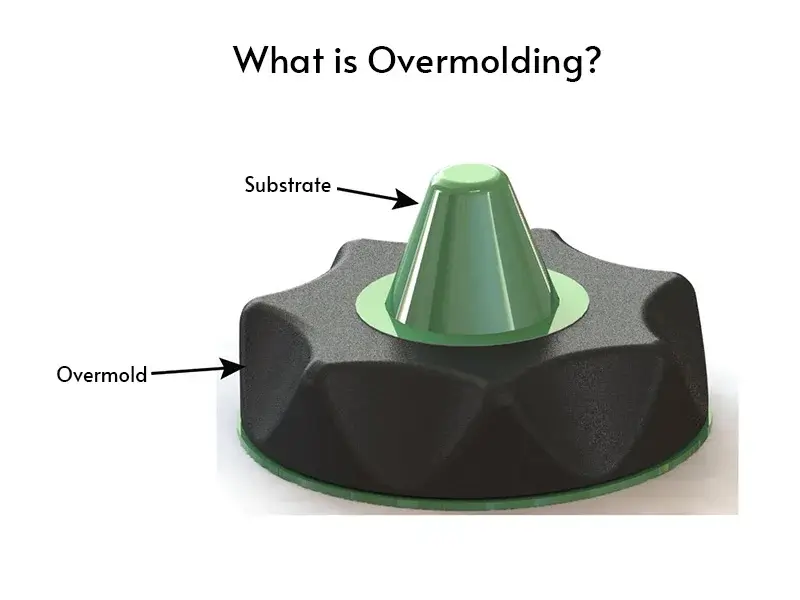
  • Finally, low pressure injection molding supports design flexibility. Complex geometries, overmolding of connectors, and integration of multiple components in a single step are easier to achieve because the material flows readily into intricate cavities.

Common Issues and Solutions in Low Pressure Molding

Several process-related challenges can occur during low pressure injection molding. The sections below outline the most common issues, their typical causes, and practical solutions.

Poor Adhesion

Poor adhesion between the molding material and the electronic components or substrates leads to delamination over time. This problem typically results from contaminated surfaces, incompatible material grades, or incorrect processing temperatures.

To improve adhesion, components should be cleaned before molding. Selecting a material grade specifically formulated for the substrate and fine-tuning the melt temperature usually resolves the issue.

Voids or Air Bubbles

Voids and air bubbles inside the encapsulated part reduce sealing performance and visual quality. The main causes are moisture trapped in the material or air pockets that are not properly vented during injection.

The solution starts with thorough pre-drying of the material according to supplier recommendations. Optimizing injection speed and ensuring sufficient venting in the mold design further minimizes trapped air.

Incomplete Filling

Incomplete filling happens when the molten material does not fully occupy the mold cavity, resulting in exposed components or weak encapsulation areas. This issue is often caused by insufficient injection pressure, a melt temperature that is too low, or inadequate venting in the mold.

To resolve it, slightly increase the injection pressure within the safe low-pressure range, raise the material temperature, or improve mold venting channels. Adjusting injection speed can also help the material flow more effectively into complex geometries.

Excessive Flash

Excessive flash appears as thin layers of material along the mold parting line. It is commonly caused by injection pressure that is slightly too high for the mold or by wear on the mold sealing surfaces.

Reducing the injection pressure and performing regular mold maintenance, including inspection and repair of parting lines, effectively controls flash formation.

Low & Traditional & High Pressure Injection Molding Differences

Injection molding comes in several forms, each suited for different materials, production volumes, and product requirements. Understanding the differences between low pressure, traditional, and high pressure injection molding can help you choose the right method, reduce costs, and improve efficiency. The table below highlights key factors such as tooling cost, process complexity, and ideal applications.
Aspect Low Pressure Injection Molding Traditional Injection Molding High Pressure Injection Molding
Injection Pressure Low Medium to High Very High
Tooling Cost Lower Higher Highest
Material Type Hot melt (PA, TPU) Wide range of thermoplastics Thermoplastics with high performance, reinforced plastics
Application Electronics encapsulation, cable assemblies, sensors Structural plastic parts Automotive parts, aerospace components, high-strength functional parts
Process Complexity Relatively simple More complex Most complex
Risk to Components Minimal Higher Medium to High (depending on part design)
Cycle Time & Setup Faster setup, shorter lead time Longer setup and mold development cycle Long setup, specialized molds required, longer lead time
Secondary Operations Usually not required Often required (sealing, assembly, finishing) Often required (trimming, machining, finishing)
Production Volume Low to medium Medium to high Medium to high (for precision or performance parts)

Is Low Pressure Injection Molding Right for Your Project?

Not sure if low pressure injection molding fits your project? Think about what you need it to do. If you’re working with sensitive electronics, sensors, or cable assemblies, this method is gentle enough to protect your components while providing reliable sealing and insulation. It also works well for moderate production volumes and keeps tooling costs manageable. On the other hand, if your parts are large or need to handle heavy loads, low pressure molding probably isn’t the best choice. In short, low pressure injection molding shines when protecting delicate parts matters more than high mechanical strength. At Jiangzhi, we can help you evaluate your project and figure out if it’s the right fit—so you can move forward with confidence.

Conclusion

Low pressure injection molding offers a reliable and efficient solution for protecting sensitive electronic components, ensuring excellent sealing, insulation, and minimal risk of part damage. Whether you need small-scale prototypes or low-to-medium volume production, this method delivers consistent quality with faster turnaround times. At Jiangzhi, we specialize in custom injection molding solutions tailored to your project requirements. Contact us today to explore how we can help bring your designs to life with precision and efficiency.
Scroll to Top