Rapid Prototyping Services for Faster Product Development
- Injection Molding Prototyping
- CNC Rapid Prototyping
- Low Volume Production
- Fast & Low-Cost Solutions
What is Rapid Prototyping?
Rapid prototyping is a fast and cost-efficient way to turn your design files into real, testable parts before investing in production tooling. It helps you quickly verify whether your product works in terms of fit, structure, appearance, and functionality, so you can make confident design decisions early instead of discovering problems after mass production has started.
By using rapid prototyping, you can significantly reduce development risk, shorten iteration cycles, and avoid costly tooling changes. At Jiangzhi, we support this process with CNC machining and rapid injection molding, enabling you to get functional, production-like prototypes quickly so you can validate designs faster, improve product reliability, and accelerate time to market.
Rapid Prototyping Manufacturing Capability
Injection Molding Prototyping
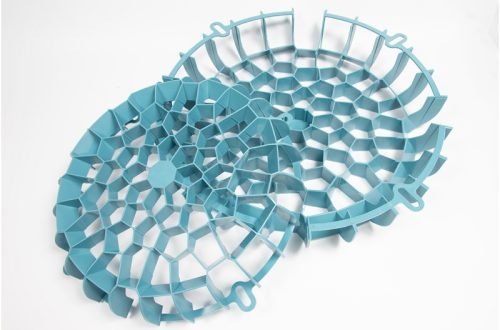
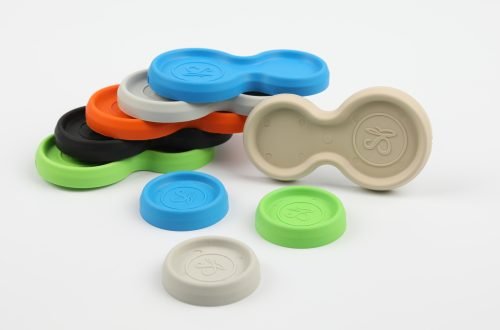
Rapid injection molding is used when you need prototypes that closely match final production parts in both material performance and manufacturing behavior. Unlike CNC or 3D printing, it allows you to evaluate how the product will actually perform under real injection molding conditions, including part strength, dimensional stability, and assembly fit.
This makes it ideal for validating final design decisions before committing to expensive production tooling. At Jiangzhi, we produce injection molded prototypes and short-run parts that help you confirm manufacturability, reduce tooling risk, and ensure your design is ready for scalable production.CNC Rapid Prototyping
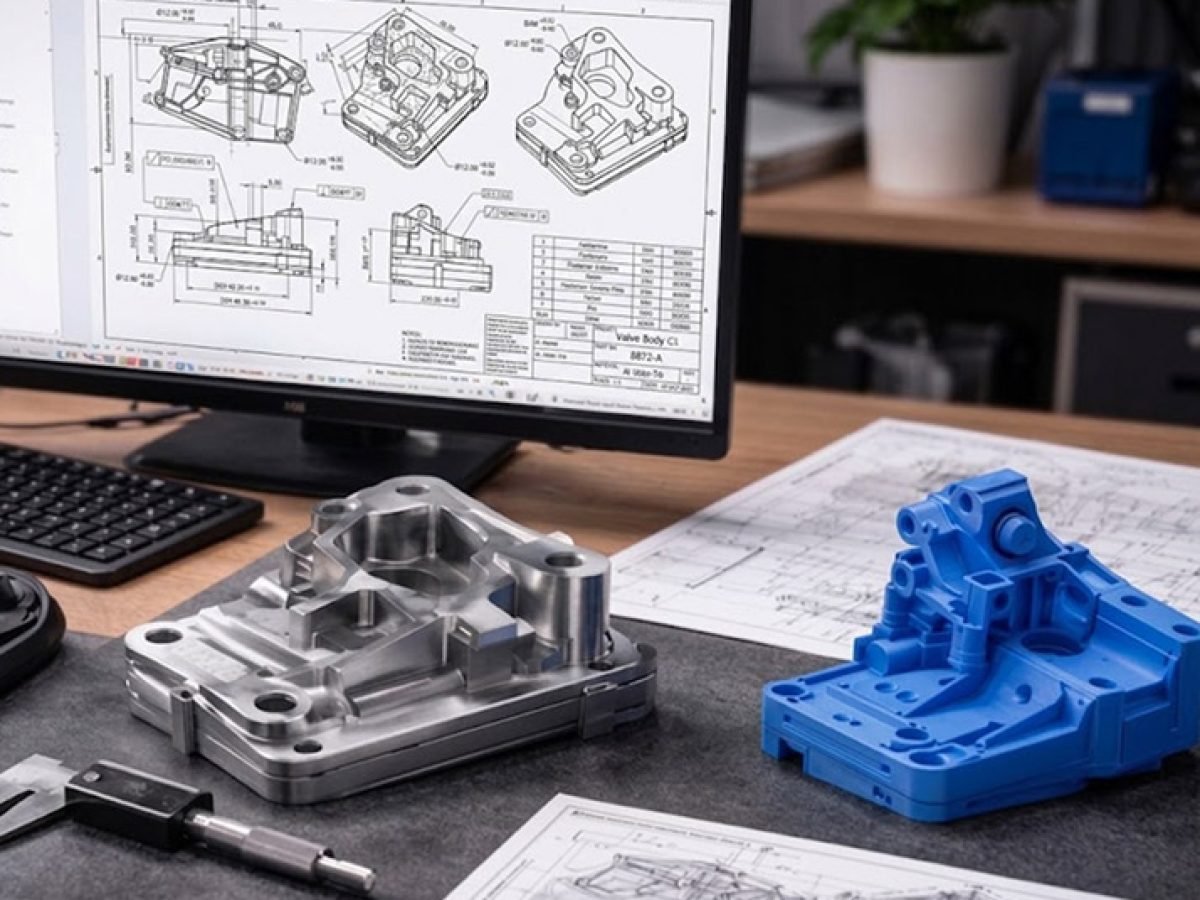
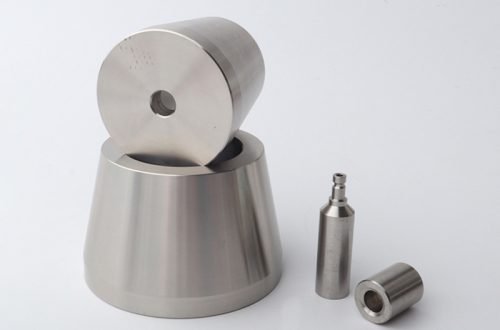
CNC rapid prototyping is ideal when you need highly accurate parts with real engineering materials for early-stage design and functional validation. It allows you to test product geometry, mechanical fit, and structural strength without the need for tooling.
Compared to molding processes, CNC machining is more suitable for low-volume, high-precision prototypes and complex geometries in metals or engineering plastics. At Jiangzhi, we use CNC milling, turning, and EDM to produce functional prototypes with tight tolerances, supported by surface finishing such as painting, polishing, or plating to match final product requirements.
Materials for Rapid Prototyping at Jiangzhi
Plastic Prototypes
We work with various plastics to create fast, cost-effective prototypes for consumer electronics, automotive, and engineering parts. Such as:
- ABS
- PC
- Nylon
- PP
- POM
- PMMA
Metal Prototypes
Our metal material options ensuring durability, precision, and near-final performance for testing. Including:
- Aluminum
- Stainless Steel
- Alloy
- Copper
- Brass
Custom Rapid Prototypes Parts Surface Finishes
Standard finish with visible tool marks; suitable for functional prototypes and internal components.
Uses abrasive media to create a uniform matte or satin finish; also improves coating adhesion on plastic or metal surfaces.
Adds logos, text, or identification marks via silk screen or pad printing, ideal for branding or part tracking.
Removes machining marks and evens out surface texture; ideal for prototypes and parts where appearance is not critical.
Painting and powder coating provide colorful, durable, and corrosion-resistant finishes.
Deposits metal layers such as nickel or chrome on parts, improving wear resistance, conductivity, and aesthetic quality.
Produces a smooth, glossy finish; commonly applied to plastics like PC or PMMA for enhanced clarity and premium look.
Chemical treatment for ferrous metals, creating a dark, corrosion-resistant surface with minimal thickness.
Electrochemical process for aluminum that enhances corrosion and wear resistance, with options for colored finishes.
Why Choose Jiangzhi for Rapid Prototyping Service?
We combine CNC machining, rapid injection molding, and low-volume production to support the full product development cycle from early prototypes to production-ready validation. This allows you to reduce risk at every stage of development while ensuring your design is tested with real materials and production-like processes.
Key Advantages:
- Faster transition from concept to functional validation
- Access to both CNC and injection molding under one supplier
- Production-like prototypes for more reliable testing results
- Reduced tooling risk before mass production investment
- Flexible support for design changes and iterations
- Capability to scale from prototype to small batch production
What to Consider Before Starting Rapid Prototyping
Before starting a rapid prototyping project, it is important to clearly define your product goals so the right manufacturing process and materials can be selected. Different decisions such as function, structure, and appearance will directly affect the best prototyping method. At Jiangzhi, we help customers evaluate these requirements to choose the most suitable solution for CNC prototyping, injection molding prototypes, or low-volume production.
Key Factors to Define:
- Whether the prototype is for visual evaluation or functional testing
- Required material performance such as strength, flexibility, or heat resistance
- Level of dimensional accuracy and assembly fit
- Surface finish requirements for appearance or testing
- Product complexity and number of components
- Expected budget and development timeline
- How close the prototype should be to final production quality