
CNC PVC Machining Service
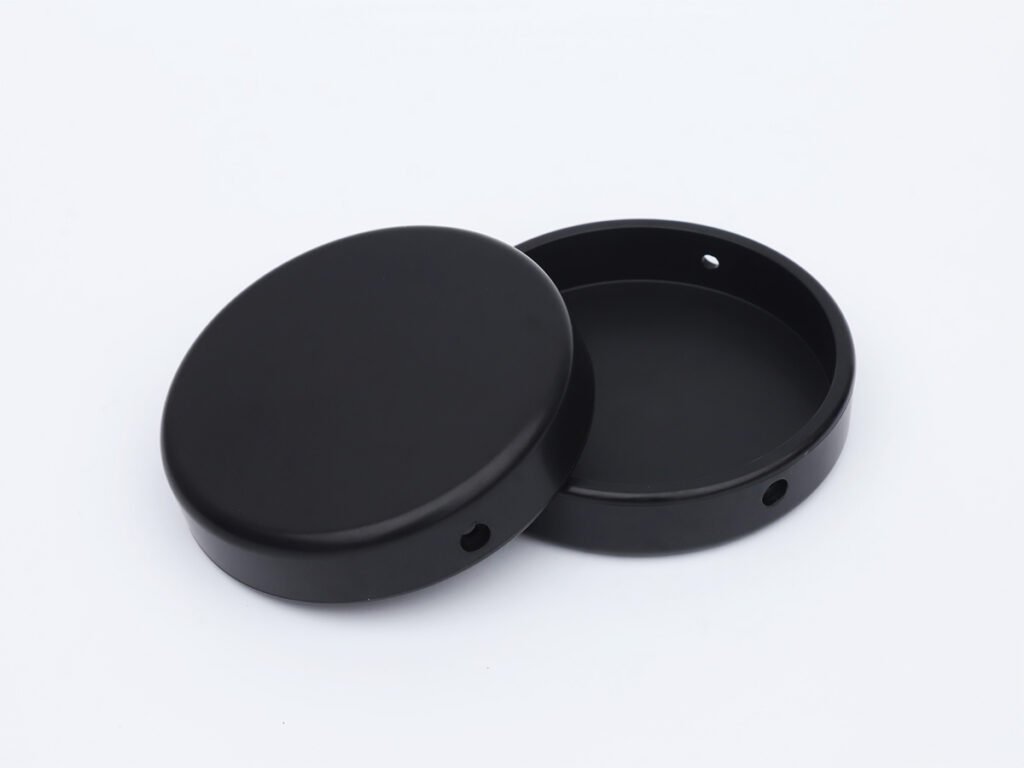
CNC Machining in PVC Material
At Jiangzhi, we provide precision CNC machining services for PVC (Polyvinyl Chloride) plastic parts. Using advanced CNC milling and turning equipment, we produce custom PVC components with tight tolerances, consistent quality, and fast lead times. From prototypes to low-volume production, our team efficiently machines complex geometries, internal cutouts, and custom features to meet your project requirements.
With extensive experience in machining PVC, we efficiently handle complex geometries, internal cutouts, and custom finishes. Our CNC PVC parts are widely used in industries such as Electronics, Medical, Construction, and Chemical processing. From start to finish, Jiangzhi ensures your PVC components meet both performance and budget goals.
PVC CNC Machining Capabilities & Options
The following CNC PVC machining capabilities options are provided as a general reference and can be customized according to part requirements.
| Parameter | Recommended Range |
|---|---|
| Max Part Size | 1000×600×300 mm |
| Color Options | Pantone / Sample / Custom colors |
| Surface Finishes | As-machined / Sanded / Painted / Coated |
| Tolerances | ±0.10–0.20 mm |
| Cost | ⭐⭐⭐☆☆ |
Machining PVC Plastic Properties
| Tensile Strength, Yield (MPa) | Elongation at Break | Hardness | Impact Strength | Heat Deflection | Heat Deflection Temperature | Melting Point |
|---|---|---|---|---|---|---|
| 45–60 MPa | 20–50% | R95–R110 | 60–100 J/m | 70–85°C | 55–65°C | No true melting point; softens at 80~85°C |
- The above parameters represent the baseline performance of the materials. Actual application should be dynamically optimized based on specific working conditions.
Related Process
Searching for Versatile PVC Machining Services?
Choose PVC CNC Machining for Excellent Flame Resistance, Chemical Stability & Cost-Effectiveness.
Request a Quote Today!
Advantages & Disadvantages of CNC PVC Machining
When choosing CNC machining for PVC parts, it’s essential to weigh its strengths and limitations. Understanding the material’s behavior during cutting, shaping, and finishing helps ensure success from prototype to production.
Advantages
- Ideal for lab and chemical handling parts
- Performs well in both indoor and outdoor environments
- Clean, ready-to-use parts with minimal post-processing
- Affordable material with wide availability
- Suitable for routing, turning, and milling
Disadvantages
- Not suitable for high-temperature environments.
- May crack under sudden impact or excessive stress.
- Require post-processing for smoother appearance.
- Can release gas during high-heat machining if not properly ventilated.
PVC CNC Parts Surface Treatment
Mechanical or flame polishing can smooth the surface and improve appearance for visible components. Polished PVC surfaces can achieve moderate gloss but are prone to scratches, so careful handling is needed.
Laser engraving or marking can be used for logos, identification marks, or decorative patterns. It provides precise and permanent results without affecting structural integrity.
For handles, housings, or non-slip components, sandblasting or light texturing can create a matte finish that hides machining marks and improves grip. The intensity should be controlled to avoid dimensional changes.
PVC can be painted or coated to improve aesthetics or provide additional protection. Using a plastic primer is recommended to improve adhesion and prevent peeling or cracking. UV-resistant coatings can be applied for outdoor components.
Jiangzhi CNC PVC Machining Parts are Guaranteed

Yes, PVC offers excellent machinability, chemical resistance, and durability—ideal for both prototyping and functional parts.
PVC is more chemically resistant and flame-retardant, while ABS is better for impact strength. Your choice depends on the application.
Yes. We can machine thin-walled and complex PVC parts with tight tolerances. For thin sections, we optimize toolpaths and fixturing to prevent deformation, and for complex geometries, we use multi-axis machining to ensure accuracy and clean finishes.
It can produce fine dust—our team follows strict safety protocols to ensure clean and safe machining.
Absolutely. Our engineers will review your CAD or drawing and suggest improvements to enhance performance and machinability.


