
Thin wall injection molding is a cutting-edge manufacturing process that delivers lightweight, precise, and complex plastic parts. By producing components with wall thicknesses often below 1 mm, thin wall molding meets the demand for cost-effective, high-performance products. However, its unique requirements—high pressures, rapid cycles, and meticulous design—pose challenges that require expertise to overcome. This guide explores the thin wall injection molding process, offering practical design tips and key considerations to improve part quality and manufacturability.
What is Thin Wall Injection Molding?
Thin wall injection molding is a specialized injection molding process designed for parts with minimal wall thickness—typically between 0.5 and 0.8 mm. The thin wall injection moulding process involves injecting molten plastic at high pressures (up to 30,000 psi) and speeds into molds with thin cavities, followed by rapid cooling to solidify the part and ensure structural integrity.
Unlike traditional injection molding, thin wall molding requires higher pressures, faster cycle times (often under 10 seconds), and high-hardness steel molds (e.g., HRC55+) to withstand extreme conditions, compared to milder P20 steel molds.

Design Tips for Thin Wall Injection Molding
The success of thin wall injection molding hinges on meticulous design to address the challenges of high pressures and thin geometries. The following design tips are important to ensure part quality, minimize defects, and streamline the thin wall injection moulding process. By adhering to these guidelines, you can optimize injection molding thin wall parts for performance and manufacturability.
Maintain Uniform Wall Thickness
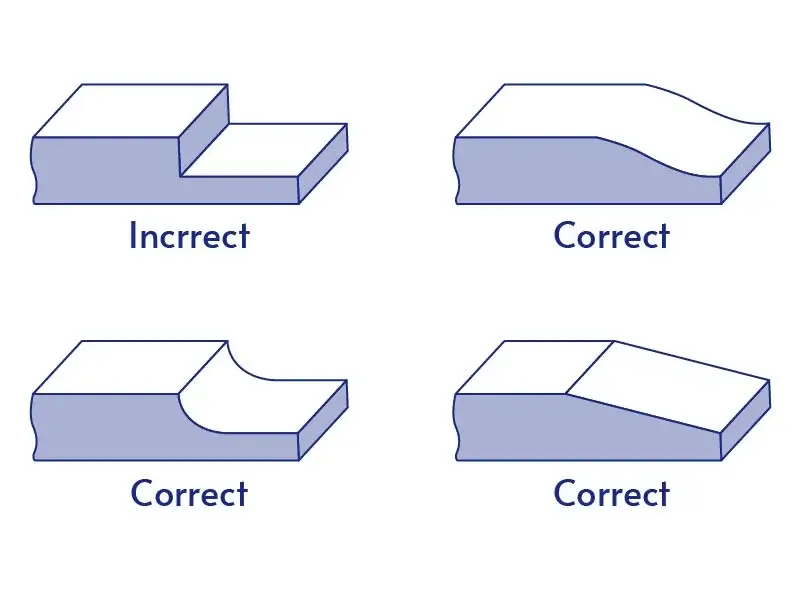
Uniform wall thickness, ideally between 0.5 and 1 mm, is paramount in thin wall molding to prevent defects like sink marks, warpage, or incomplete filling. Variations in thickness can disrupt material flow, leading to uneven cooling and stress concentrations. To maintain consistency, avoid abrupt transitions and incorporate gradual changes in wall geometry. A well-balanced wall thickness design improves part quality while reducing the risk of defects such as voids and distortion during high-speed injection.
Optimize Gate Design
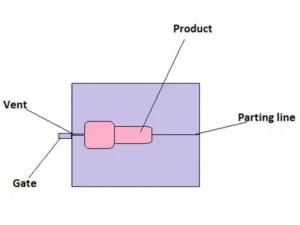
Gate design plays a critical role in thin wall injection molding, as it determines how molten plastic fills the mold. Use large or multiple gates to ensure balanced filling, especially for intricate geometries, and consider needle valve timing for precise control in complex parts. Position gates strategically—often at thicker sections or along flow paths—to minimize weld lines and promote even material distribution. Poor gate placement can lead to flow hesitation or air entrapment, compromising part quality.

Select Suitable Materials
Material selection plays an important role in thin wall injection molding.
Materials need good flowability to fill narrow cavities before cooling. Therefore, materials with good flow characteristics, such as polypropylene (PP), polyethylene (PE), and some engineering plastics, are commonly considered for thin-walled applications.
Engineering plastics such as polyamide (PA) and polycarbonate (PC) can also be used when higher strength or heat resistance is required, but they may require optimized processing conditions due to their higher viscosity.
Mold steel selection is also important. Since thin wall molds experience higher injection pressure and faster production cycles, durable mold steels like 718, H-13, or D-2 are often preferred. These materials help improve wear resistance and extend mold life.

Incorporate Ribs and Bosses Strategically
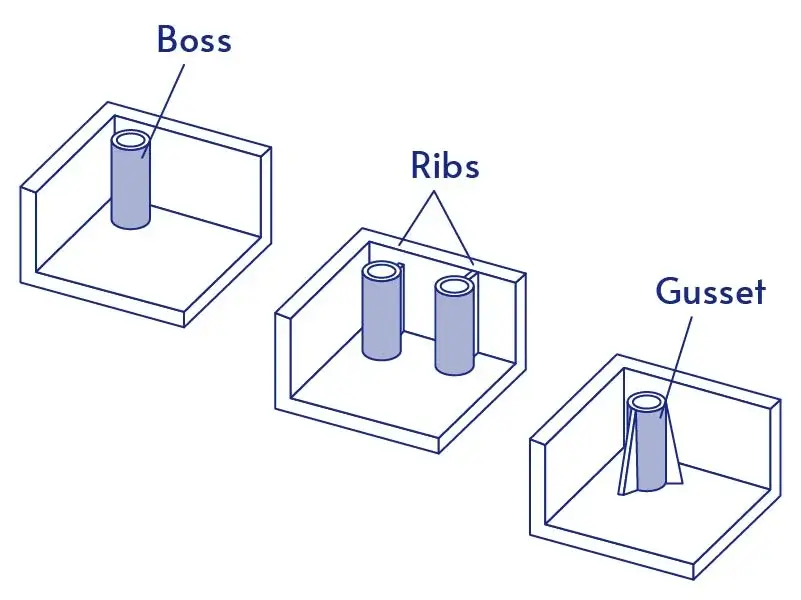
Ribs and bosses provide structural support in thin wall molding without increasing wall thickness, preserving material efficiency. Keep rib thickness at 50–60% of the wall thickness to avoid sink marks, and ensure ribs are spaced adequately to prevent flow restrictions. Bosses, used for mounting or fastening, should include draft angles (1–2 degrees) to facilitate ejection and minimize stress concentrations. Strategic placement of ribs and bosses enhances part strength while maintaining the lightweight benefits of thin wall injection.
Improve Mold Venting
Proper venting is essential for thin wall injection molding because trapped air can prevent complete filling and create defects such as burn marks or voids. Well-designed vents allow air to escape while preventing plastic leakage. For high-speed thin wall molding applications, advanced venting solutions may further improve filling performance.
Account for Draft Angles
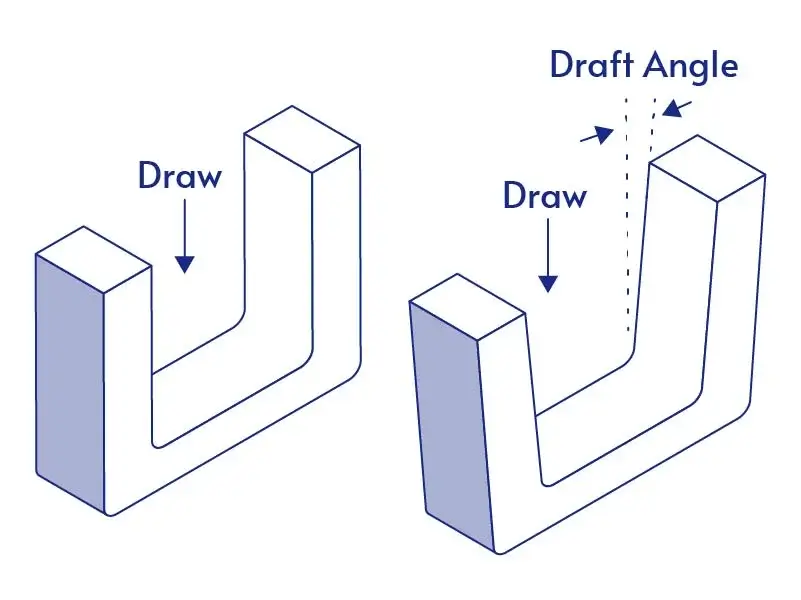
Draft angles of 1–2 degrees are critical in thin wall molding to facilitate part ejection and reduce mold wear. Thin walls amplify ejection forces, increasing the risk of part damage or mold abrasion without adequate drafts. Apply draft angles consistently to all vertical surfaces, including ribs and bosses, and ensure they align with the mold’s parting line. This design consideration simplifies manufacturing and extends mold life, making thin wall injection more cost-effective and reliable for producing injection molding thin wall parts.
Common Uses of Thin Wall Injection Molding in Manufacturing
Thin wall injection molding is widely used in industries that require lightweight, precise, and high-volume plastic components. Common applications include:
- Consumer Electronics: smartphone housings, wearable device components, and lightweight covers
- Medical Devices: disposable components, diagnostic housings, and precision plastic parts
- Food Packaging: thin containers, lids, and cups
- Automotive Components: interior trim components and lightweight panels

Conclusion
Thin wall injection molding enables manufacturers to produce lightweight and high-performance plastic parts with reduced material usage. However, achieving consistent quality requires careful attention to wall thickness design, material selection, mold structure, and processing parameters.
With extensive experience in injection molding and tooling, Jiangzhi provides professional solutions from mold design and optimization to production support. Contact Jiangzhi today to discuss your injection molding project and find the right manufacturing approach for your application.


