
PE Injection Molding
What is Polyethylene Injection Molding?
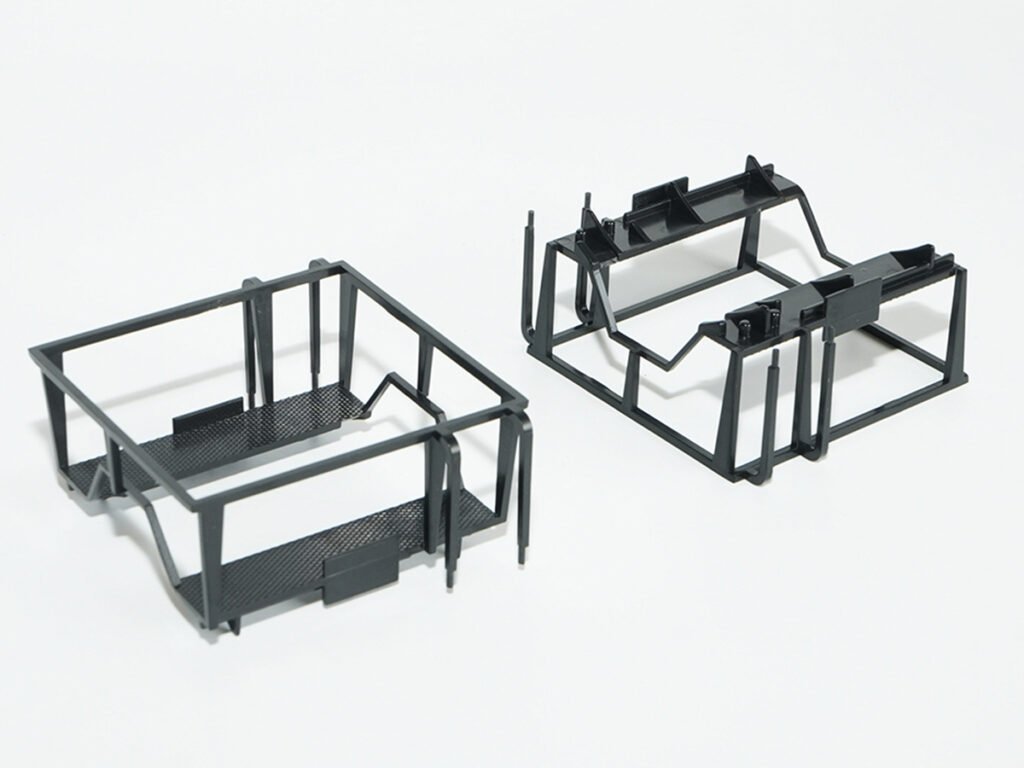
PE injection molding is a highly cost-effective and scalable process for creating lightweight, moisture-resistant, and durable plastic parts. Whether you’re producing flexible packaging, medical components, or rugged industrial parts, our precision-driven injection molding polyethylene services ensure consistent quality and performance. Our PE Injection Moulding Process:
- Mold Design: Custom-engineered molds ensure high precision and repeatability.
- Processing: Polyethylene (PE) is heated and injected into high-precision molds under controlled pressure and temperature.
- Cooling & Solidification: Optimized cooling strategies reduce shrinkage and enhance dimensional stability.
- Post-Processing: Optional steps like trimming, pad printing, or assembly can be added based on project needs.
From bulk packaging to custom components, we bring full-spectrum expertise in polyethylene injection moulding, including mold design, tooling, assembly manufacturing, and materials handling.
PE Injection Molding Capabilities & Options
Typical parameters for PE injection-molded parts we manufacture are shown below for reference. Values can be adjusted based on part geometry, tolerance requirements, surface expectations, and end-use application.
| Parameter | Recommended Range |
|---|---|
| Max Part Size | 2500mm * 2000mm(98 inch * 78 inch) |
| Color Options | Sample / Custom colors |
| Surface Finishes | Semi-glossy/Matte / Textured Finish |
| Tolerances | ±0.15–0.25 mm |
| Cost | ⭐☆☆☆☆ |
PE Material Properties
Polyethylene (PE) is a thermoplastic polymer known for its excellent flexibility, low moisture absorption, and chemical resistance. It is commonly used in consumer goods, medical devices, and packaging due to its cost efficiency and durability. Key material properties:
- Outstanding chemical resistance – withstands exposure to acids, alkalis, and many solvents.
- Lightweight & flexible – maintains elasticity and reduces weight in final parts.
- Good impact resistance – absorbs shocks without cracking.
- Excellent moisture barrier – does not absorb water and resists corrosion.
| Property | Density | Tensile Strength | Flexural Strength | Impact Strength (Unnotched) | Heat Deflection Temp (0.45 MPa) |
|---|---|---|---|---|---|
| Value/Description | 0.91 - 0.96g/cm³ | 10 - 30 MPa | 200 - 800 MPa | 5 - 20 kJ/m² | 45 - 90℃ |
- The above parameters represent the baseline performance of the materials. Actual application should be dynamically optimized based on specific working conditions.
Related Process
Looking for Flexible and Durable Polyethylene Injection Molding?
Advantages & Disadvantages of PE Injection Moulding
Advantages
- Cost-effective & scalable – ideal for high-volume production.
- Excellent chemical resistance – stable under a variety of chemical exposures.
- Flexible & impact-resistant – suitable for both rigid and soft parts.
- Moisture & corrosion resistant – suitable for outdoor and humid environments.
Disadvantages
- Low heat resistance – may deform at elevated temperatures.
- Poor adhesion – challenging for coatings, painting, or bonding.
- Lower dimensional accuracy – higher shrinkage rate than engineering plastics.
- UV sensitivity – requires stabilizers for prolonged outdoor use.
Applications of Injection Molding Polyethylene
Packaging Industry

- Food-grade containers
- Plastic bottles and caps
- Flexible lids and liners
- Industrial drums
Medical Devices

- Disposable gloves and containers
- Tubing and connectors
- Packaging films
- Sterile transport trays
Consumer Products

- Plastic bags and pouches
- Toys and household items
- Reusable containers
- Garden equipment
Industrial Applications
- Chemical tanks
- Pipe fittings
- Electrical insulation components
- Storage bins and crates
Jiangzhi PE Injection Molding Parts are Guaranteed

FAQs About Injection PE Molding
We usually use LDPE, HDPE, or LLDPE—each has its own strengths depending on whether you need something more flexible, tougher, or somewhere in between.
Yeah, PE can shrink a bit more than other plastics and doesn’t love being printed or glued on, but with the right mold design and processing, it’s not a big deal.
It runs well between 180–250°C, with moderate mold temps and pressure—nothing extreme, just needs the right balance to keep parts clean and consistent.
Definitely, recycled PE works for many applications—you just need to keep an eye on its quality and maybe tweak the formula a bit to get the best results.
PE isn’t the stiffest plastic out there, but it’s super tough and impact-resistant—great for parts that need to bend without breaking.


