
In a custom injection molding project, the tooling cost can represent a significant part of the initial project investment. However, paying for mold design and manufacturing does not automatically mean the buyer has full ownership of the finished tool. To avoid disputes, Mold Tooling Ownership should be discussed and confirmed before the project begins. This article explains common mold ownership models, why payment alone may not establish ownership, and which contract terms buyers should review before placing a tooling order.
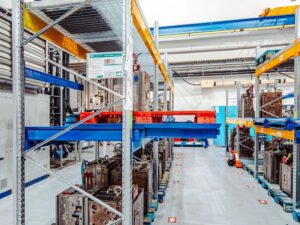
What Does Mold Tooling Ownership Mean?
Mold tooling ownership refers to the legal rights and responsibilities associated with an injection mold. However, ownership involves more than determining who paid for the tooling. Buyers should distinguish three important concepts.
Legal Ownership: Legal ownership means the party that holds legal title to the mold. It determines whether the buyer can claim the mold as its own asset. It is established through a written agreement, purchase order, quotation terms, and applicable law. Paying the mold fee does not automatically transfer legal ownership unless the contract clearly states that it does.
Physical Possession: Physical possession means the party that stores, accesses, and operates the mold. In most custom injection molding projects, the mold remains at the injection molding supplier’s facility. The supplier may act as the custodian of the mold while the buyer remains the legal owner. Custody does not equal ownership; a supplier can store and use a customer-owned mold without owning it.
Transfer Rights: Transfer rights determine whether the buyer can request the release, shipment, or transfer of the mold. A buyer with transfer rights may move the mold to another manufacturer when changing suppliers or expanding production. The agreement should define the release process, notice period, packaging requirements, transportation responsibility, and transfer costs. Without clear transfer terms, a buyer may face delays or disputes when attempting to move the mold.
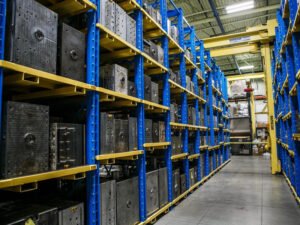
Common Mold Tooling Ownership Models
Custom injection molding projects generally use three ownership arrangements. Each has different cost structures, responsibilities, and levels of buyer control.
Customer-Owned Tooling
The customer pays the full mold cost and owns the mold according to the agreed terms. This model is commonly suitable for long-term products and stable production programs. This model gives the buyer more control over the mold and future production. The agreement should state when ownership transfers and how the mold can be released or transferred.
Supplier-Owned Tooling
The supplier invests in the mold and retains ownership. It is suitable for projects with lower upfront budgets or uncertain demand. The supplier usually recovers the tooling cost through part pricing or a production commitment. The buyer should confirm whether the mold can be transferred and what happens when production ends.
Amortized Tooling
In an amortized tooling arrangement, the mold cost is spread across a defined production volume or included in the unit price. Suitable for buyers who want to reduce the initial tooling investment. Ownership may transfer after the buyer reaches a defined production quantity or pays the remaining balance. The agreement should clearly define the amortization period, transfer point, and buyout terms. Each model can work well when the ownership terms, payment structure, and transfer conditions are clearly documented before production begins.
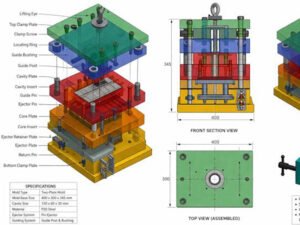
Why Paying for the Mold Does Not Automatically Mean You Own It
A common misunderstanding in custom injection molding is that the party paying for the mold automatically owns it. In practice, ownership depends on the agreement, applicable law, and the specific commercial arrangement.
Paying for an injection mold does not automatically establish legal ownership. An invoice or payment receipt only proves that the buyer paid the agreed amount. It does not necessarily define who owns the physical mold or when ownership transfers. The tooling fee may also include mold design, engineering, trial runs, and other services rather than the purchase of the physical tooling alone.
The supplier may also retain physical possession of the mold even when the buyer owns it. Without clear contract terms, the buyer may face difficulties retrieving or transferring the mold, especially if there are outstanding production charges or maintenance fees. Therefore, the tooling agreement should clearly state who owns the mold, when ownership transfers, and under what conditions the buyer can retrieve it. Both parties should also confirm that the agreed terms comply with applicable laws.
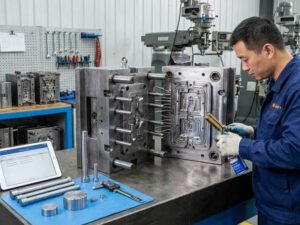
Key Clauses in a Mold Tooling Ownership Agreement
A clear mold tooling ownership agreement helps prevent disputes and protects both the buyer and the injection molding supplier. The agreement should include the following key clauses.
- Ownership Statement: Clearly state who owns the mold and when ownership transfers, such as after final payment, mold approval, or a defined production quantity.
- Tooling Identification: List the mold number, part number, cavity count, inserts, slides, fixtures, and related documentation to avoid confusion between molds or revisions.
- Custody and Storage: Confirm that the supplier acts as the custodian if the mold remains at its facility, and restrict use of the mold to the buyer’s approved production orders.
- Maintenance and Repair: Define who is responsible for routine maintenance, normal wear repairs, major refurbishment, and mold modifications.
- No-lien Protection: State that the supplier may not retain a customer-owned mold because of an unpaid invoice or commercial dispute.
- Mold Labeling: Require a permanent label or engraving showing the buyer’s name, mold number, and ownership status.
- Transfer and Release Terms: Define the written notice process, release timeline, packaging, transportation, insurance, and cost responsibility for moving the mold.
- Termination and Exceptional Events: Explain how the mold will be handled if the project ends, the supplier changes its business status, or a dispute occurs.
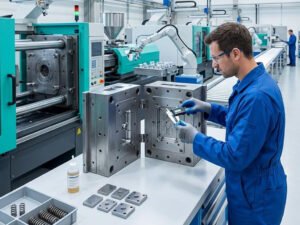
Practical Tips for Buyers of Custom Plastic Parts
Buyers can reduce tooling ownership risks by checking several details before production starts.
Confirm Ownership Before Making Tooling Payments
Do not wait until the mold is completed to discuss ownership. Confirm the ownership model, transfer milestone, and release conditions before approving the tooling quotation.
Make sure the purchase order and tooling agreement are consistent. If the project uses amortized tooling, confirm whether full cost recovery results in ownership transfer or only completes the payment obligation.
Require Permanent Mold Identification
Ask the manufacturer to mark customer-owned tooling with a unique identification number and ownership information.
This is particularly important when a supplier stores molds for multiple customers. Permanent identification makes tooling inventory management and later verification easier.
Keep Complete Tooling Records
Maintain a record of the tooling investment and its technical details. Useful documents include:
- Tooling quotation and payment records.
- Signed mold ownership agreement.
- Mold design drawings and 3D files, where contractually included.
- Mold identification photographs.
- Trial reports and approved samples.
- Maintenance and repair records.
- Handover and inspection documents.
These records provide evidence of the agreed ownership arrangement and help another manufacturer evaluate the tooling if production is transferred.
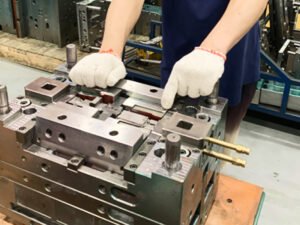
Prepare Before Moving the Mold to Another Supplier
Moving an injection mold requires more than arranging transportation. The new manufacturer needs sufficient technical information to assess its condition and production requirements.
Before transfer, confirm the mold’s dimensions, weight, machine compatibility, cavity configuration, runner system, and required accessories. Review the maintenance history and identify any existing defects or worn components.
The buyer should also arrange a condition inspection before and after handover. This helps establish responsibility for any damage discovered during the transfer.
Conclusion
Mold Tooling Ownership should be confirmed as part of the initial tooling agreement, not left to assumptions after payment. Buyers need to distinguish legal ownership from physical possession and transfer rights. They should also define storage, maintenance, permitted use, and mold release conditions in writing.
Jiangzhi provides custom injection mold manufacturing and plastic and rubber part production services. Our team can support mold design, tooling development, DFM evaluation, and production planning. Contact Jiangzhi with your part drawings and project requirements to discuss a suitable tooling arrangement and request a quotation.


