
PS Injection Molding
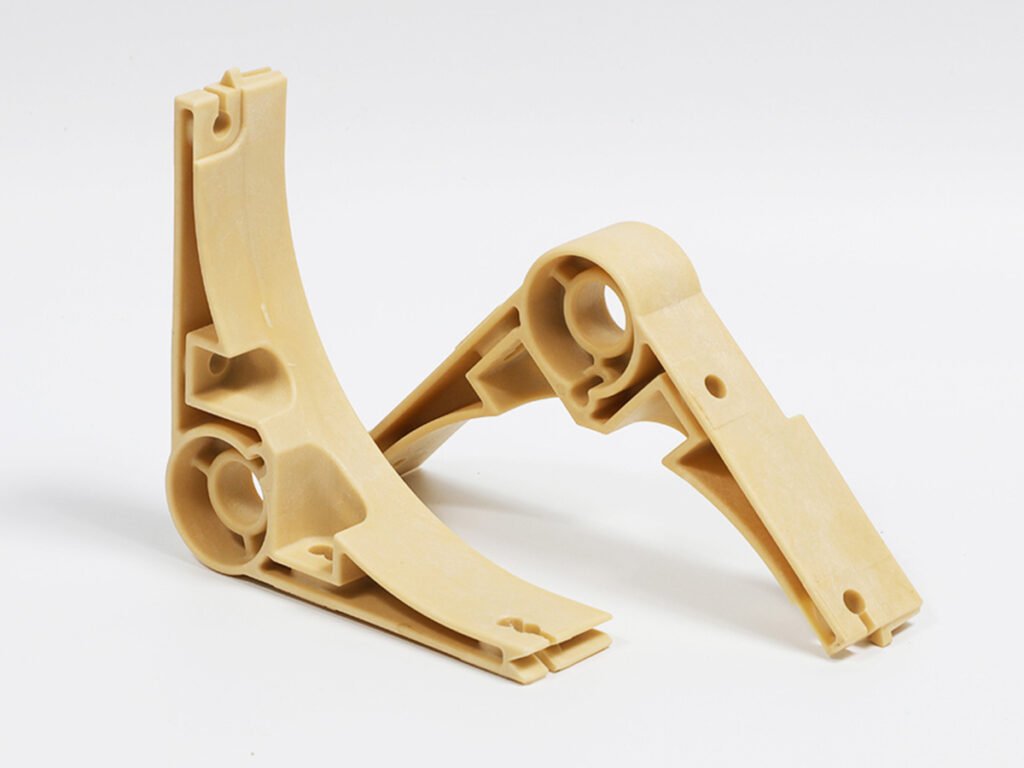
Custom PS Injection Molding for Your Parts
We produce polystyrene components such as transparent housings, cosmetic containers, display trays, toy shells, medical disposables, and electronics enclosures. By carefully controlling mold design, injection parameters, and cooling, we minimize warping, cracking, and sink marks, ensuring tight tolerances and visually flawless, dimensionally stable parts — from prototypes to high-volume production.
PS Injection Moulding Parameters Table
Tolerances and optical quality are verified before production to ensure consistent, defect-free parts.
PS Injection Molding Capabilities & Options
Typical parameters for PS injection-molded parts we manufacture are shown below for reference. Values can be adjusted based on part geometry, tolerance requirements, surface expectations, and end-use application.
| Parameter | Recommended Range |
|---|---|
| Max Part Size | 2500mm * 2000mm(98 inch * 78 inch) |
| Color Options | Clear/Pantone / Sample / Custom colors |
| Surface Finishes | Glossy / Semi-glossy / Matte Finish |
| Tolerances | ±0.10–0.15 mm |
| Cost | ⭐☆☆☆☆ |
PS Material Properties
Polystyrene (PS) is a cost-effective thermoplastic known for its rigidity, optical clarity, and ease of processing. It exists in two major forms:
- GPPS (General PurposePolystyrene) – Transparent, brittle, ideal for clear housings and packaging
- HIPS (High Impact Polystyrene) – Opaque, impact-modified, ideal for durable enclosures and functional parts
| Property | Density | Tensile Strength | Flexural Strength | Impact Strength (Unnotched) | Heat Deflection Temp (0.45 MPa) |
|---|---|---|---|---|---|
| Value/Description | 1.04 - 1.08g/cm³ | 35 - 55 MPa | 65 - 95 MPa | 1 -10 kJ/m² | 70 - 100℃ |
- The above parameters represent the baseline performance of the materials. Actual application should be dynamically optimized based on specific working conditions.
Related Process
Want Clear, Lightweight Polystyrene Parts?
Advantages & Disadvantages of PS Injection Molding
Advantages
- High Clarity & Smooth Surface: Ideal for transparent or decorative parts
- Cost-Efficient: Lower material and tooling costs compared to engineering plastics
- Excellent Moldability: Short cycle time, easy to shape and detail
- Recyclable: Supports sustainable manufacturing processes
Disadvantages
- Brittle Without Modifiers: Not suitable for high-impact environments (GPPS)
- Low Heat Resistance: Deforms under continuous high temperatures
- Limited Chemical Resistance: Vulnerable to certain solvents and oils
Applications of Injection Molded PS Plastic
Consumer & Packaging

- Transparent casings
- Cosmetic containers
- Display trays
- Toy shells
Electronics & Appliances

- Housings for small devices
- Fan grills
- Switch covers
- Refrigerator line
Medical & Laboratory

- Disposable test tubes
- Petri dishes
- Syringe bodies
- Packaging for sterile tools
Retail & Display

- Point-of-sale stands
- Custom hangers
- Signage bases
- Light diffusers
Jiangzhi PS Injection Molding Parts are Guaranteed

FAQs About Injection PS Molding
PS vs. ABS: PS is clearer but less impact-resistant than ABS
PS vs. PP: PS has better rigidity and dimensional accuracy, while PP is more flexible and chemical-resistant
PS is one of the most economical thermoplastics. Costs depend on mold complexity, part size, and production volume. GPPS is usually cheaper than HIPS.
- Brittleness or cracking: Caused by sharp corners or improper material handling
- Flow marks or weld lines: Due to low injection speed or cold mold
- Sink marks: Caused by uneven wall thickness
- Avoid sharp corners to reduce stress
- Maintain uniform wall thickness
- Include draft angles for easier part ejection
- Consider ribbing for structural strength


