silicone compression molding

CNC Machining for PTFE (Teflon) Parts

We have hands-on experience making PTFE (Teflon) parts for prototypes and small batches. PTFE can be tricky—it’s soft, expands with heat, and can smear on the tools—but we know how to handle it. Using the right tools, careful cutting, and proper cooling, we make sure every part comes out accurate, smooth, and exactly how you need it.

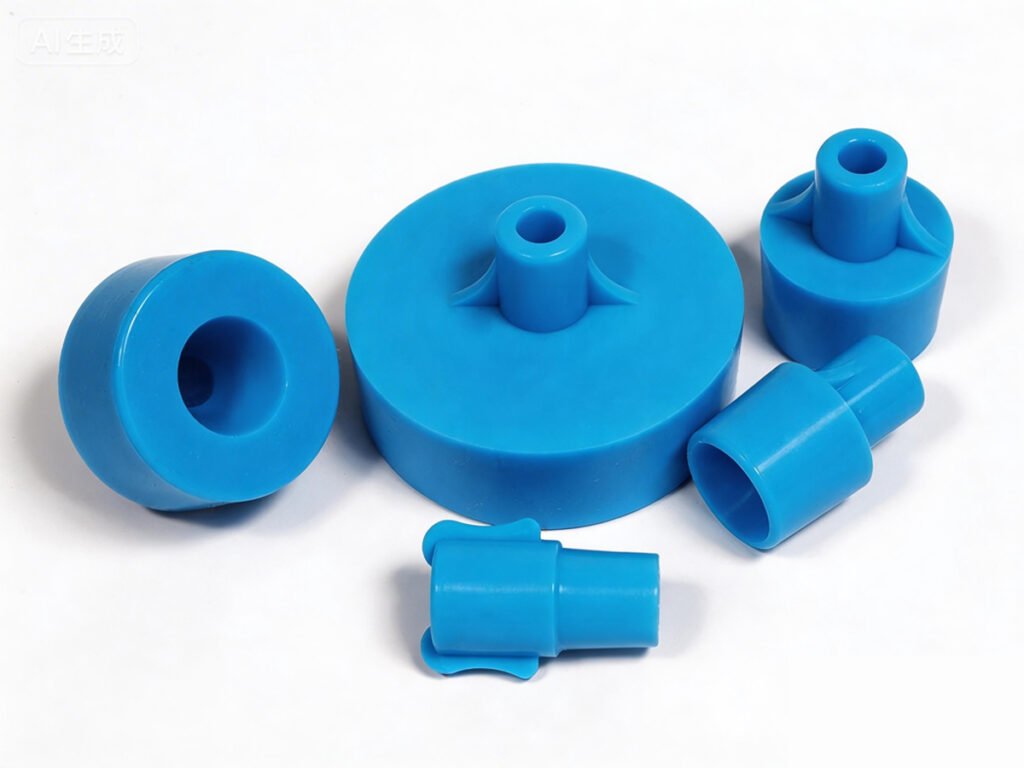
We make silicone parts using compression molding, pressing solid silicone (not LSR) into precision molds under heat and pressure. Silicone can be tricky to mold, but we have the experience to get tight tolerances, reduce waste, and deliver both prototypes and larger production runs on time. With us, you get reliable parts and a partner who knows the process inside out.

Parameter Recommended Range
Wall Thickness 1.5 mm – 8 mm
Maximum Part Size 500mm × 500mm × 500mm
Minimum Feature Size 0.8 mm – 1 mm
Tolerances ±0.2mm – ±0.5mm

Silicone Compression Molding Step-by-Step 

At our facility, we specialize in true compression molding for custom silicone parts — a process that combines simplicity, flexibility, and reliability. Unlike injection molding, compression molding uses pre-measured silicone blanks (often HCR) that are directly placed into the heated mold cavity.

Silicone Rubber Material Properties

Silicone rubber is a flexible, chemically stable, and temperature-resistant elastomer ideal for demanding applications. We use high-purity, solid silicone materials with excellent electrical and sealing performance.
Property Density Tensile Strength Flexural Strength Impact Strength (Unnotched) Heat Deflection Temp (0.45 MPa)
Value/Description 1.02–1.05 g/cm³ 40 -50 MPa 60-70 MPa 20 -30 kJ/m² 90-100℃

Advantages & Disadvantages of Silicone Compression Molding

Silicone compression molding service offers a cost-effective way to produce durable, heat-resistant silicone rubber parts. It’s ideal for complex shapes and small to medium runs. However, it also comes with some limitations. Let’s explore the key pros and cons of this molding process.

Silicone Compression Molding Advantages

Silicone Compression Molding Disadvantages

Applications of Compression Molded Silicone

Compression molded silicone parts are widely used across industries that demand flexibility, durability, and resistance to heat, chemicals, or weather. From automotive seals to medical-grade components, this process supports reliable performance in both standard and high-stress environments.

Medical & Healthcare

Automtoive Injection Molding

Electronics & Electrical

industrial equipment featured

Industrial Equipment

consumer electronics featured

Consumer Goods

Medical Injection Molding Application

No, we only offer compression molding for solid silicone rubber. If you're unsure which silicone method fits your project, we’re happy to advise.

Compression molding is ideal for larger, simpler silicone parts and lower production volumes. Injection molding, on the other hand, is faster and better suited for producing complex, high-volume parts. However, for many low- to mid-volume applications, compression molding remains the more cost-effective option.

Improper mold alignment, insufficient venting, or excess material can cause flash. We control all molding parameters and provide post-molding trimming to ensure clean parts.

Tooling takes 2–4 weeks. Production time depends on part complexity and volume, usually 1–5 minutes per part cycle.

Scroll to Top
injection mold tooling service
Contact Us