Choose the Right Injection Molding Process

Different parts require different molding approaches. Start with the material and function of your part to identify the most suitable process for your application, whether you need rigid plastic parts, flexible rubber components, multi-material construction, or molded-in inserts.
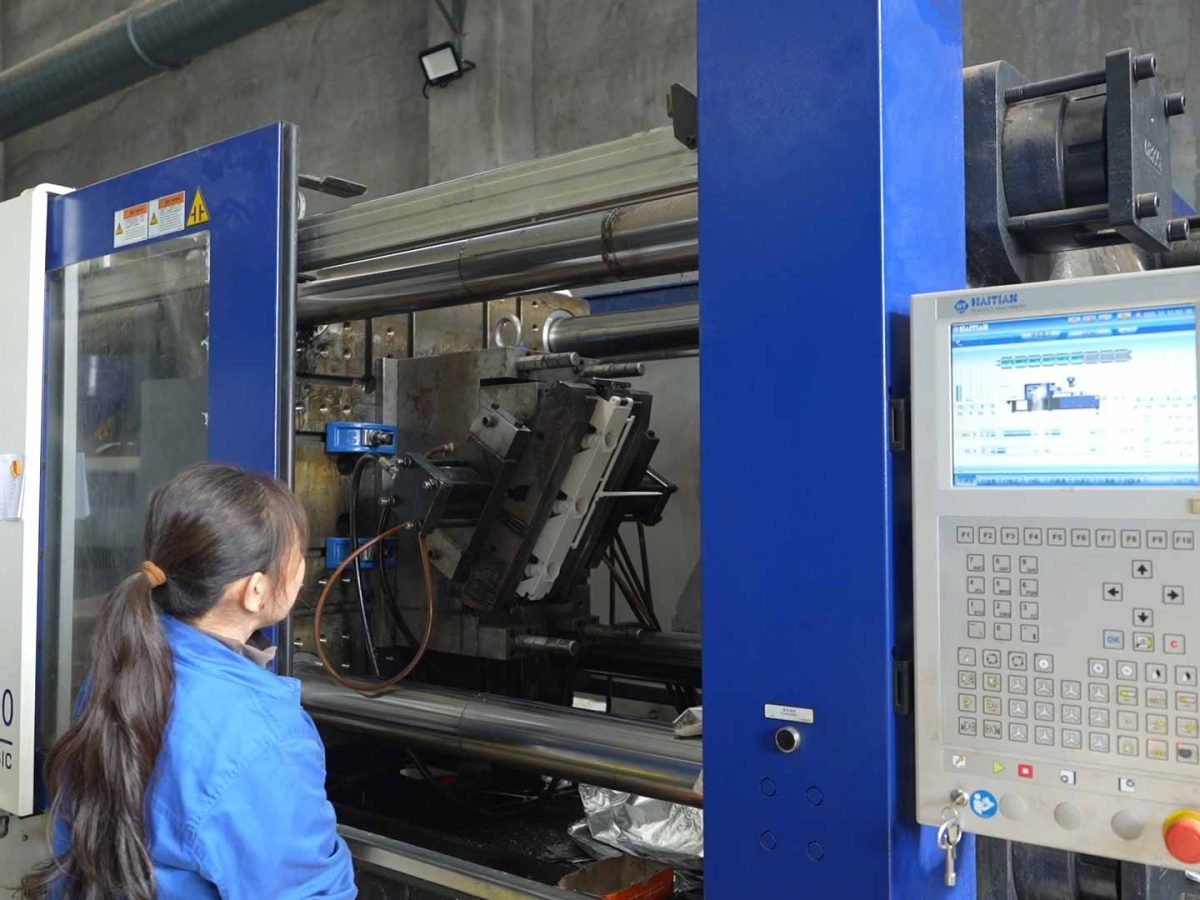
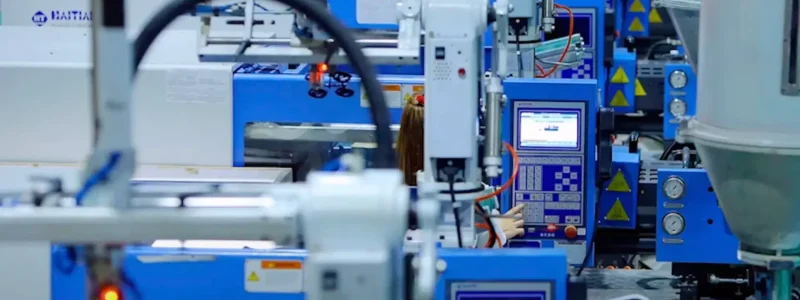
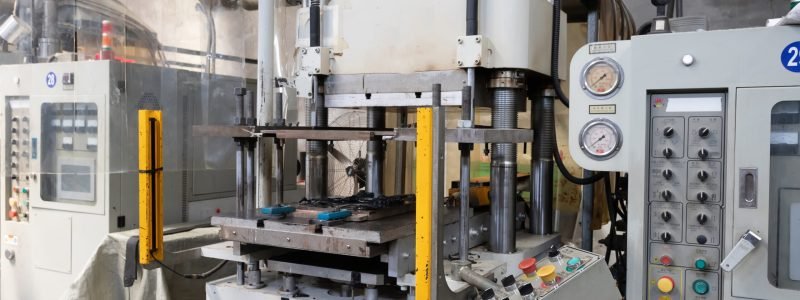
Injection Molding Workshop

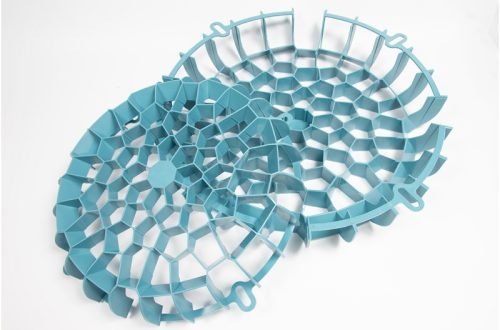
Plastic Injection Molding

For rigid thermoplastic parts requiring repeatable dimensions, complex geometries, and scalable production.
Typical Applications

housing丨 enclosures丨brackets丨gears丨structural components.

→ Explore Plastic Injection Molding
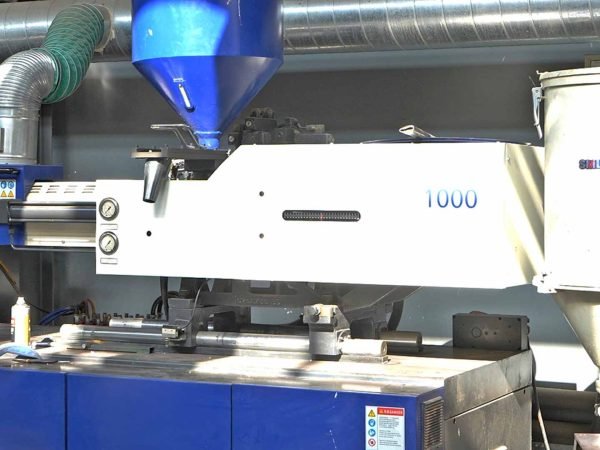
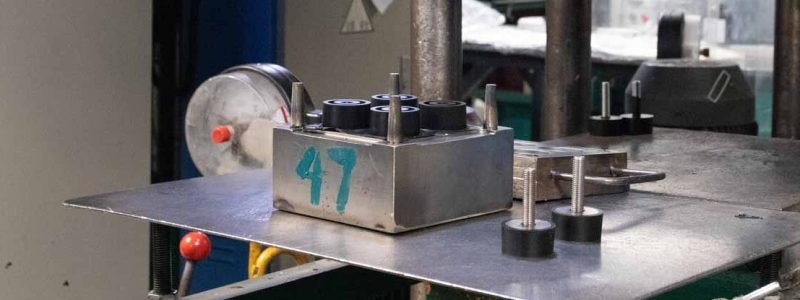
Rubber Workshop Injection Machine

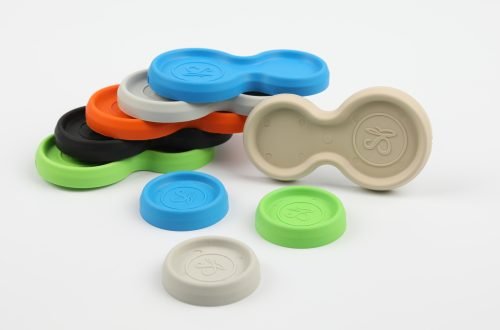
Rubber Injection Molding

For flexible molded parts that require sealing, elasticity, vibration isolation, or repeated deformation.
Typical Applications

seals丨gaskets丨grommets丨mounts丨protective components.
→ Explore Rubber Injection Molding
Scalable-Production-Capacity

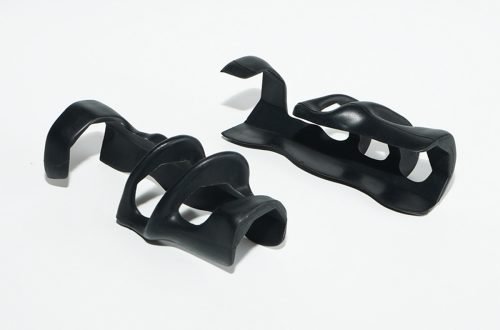
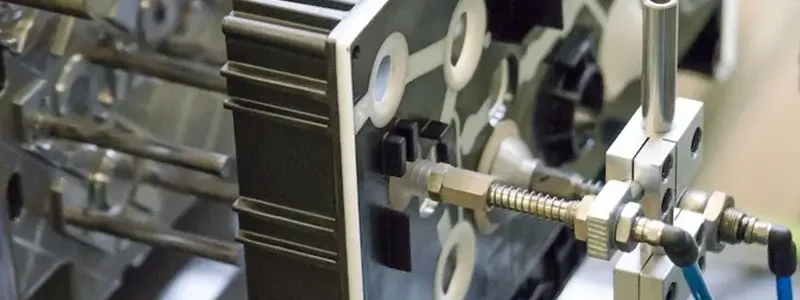
Overmolding

For combining two materials or adding a soft or elastomeric layer to a rigid substrate.
Typical Applications

grips丨handles丨seals丨protective covers丨cable components.
→ Explore Overmolding
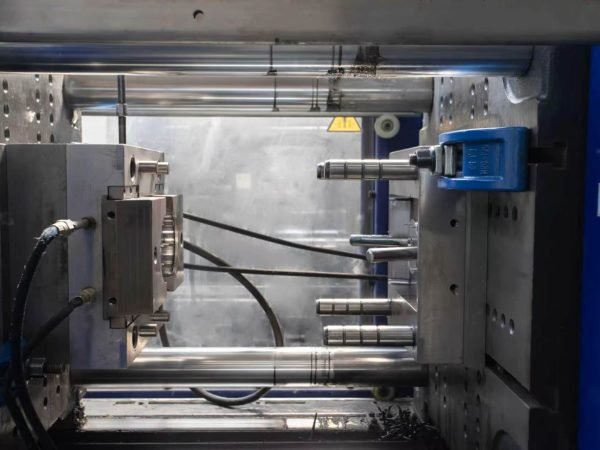
insert molding advantages

Insert Molding

For molding plastic or rubber around pre-placed components such as metal inserts, bushings, threaded components, or electrical contacts.

Typical Applications

threaded components丨electrical parts丨reinforced structural components.
→ Explore Insert Molding

Not Sure Which Molding Process is Right for Your Part?

Start with your part type and explore the suitable
manufacturing solution:

Choose by Production Volume

Tooling choice drives cost, lead time, and mold life — pick the stage that matches where your project is right now.

Rapid Prototype

Dozens–few hundred parts · aluminum / soft tooling
Fast design validation before committing to production tooling.

Low-Volume Injection Molding

100–10,000 units · aluminum / MUD tooling
Bridges prototyping and mass production — market testing, small batches.

High-Volume Injection Molding

10,000+ units · P20 / hardened steel tooling
Reliable, scalable production with consistent quality.

Need CNC Machining, Compression Molding, or Assembly Alongside
Your Injection Molded Parts?

Does Your Project Have Special Requirements?

For parts or production needs outside standard injection molding scope.

Choose by Material

Explore the material options available for custom injection molded parts.
Plastic Grid Bracket
Rubber Compression Molding Part

Choose by Industry & Application

Browse injection molding services by industry and application.
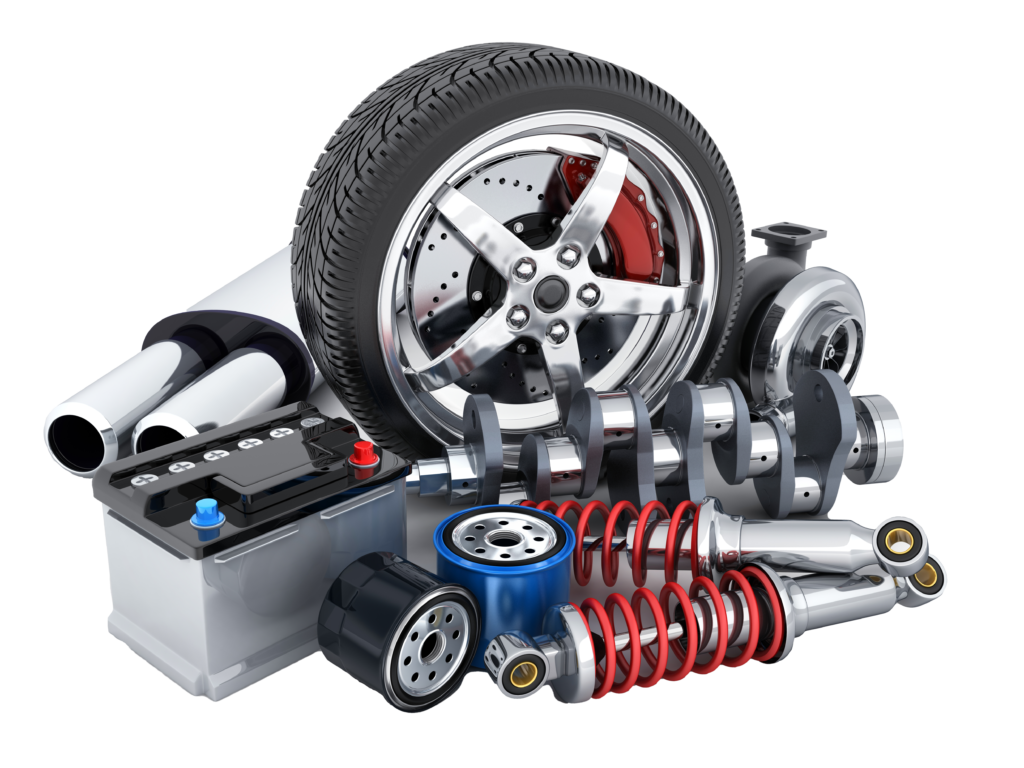
Automotive Injection Molding Parts
Aerospace Injection Molding parts
Yes — that's what overmolding is for. A rigid plastic substrate is molded first, then a rubber or TPE layer is molded onto it in a second step.
It depends on the part, but insert molding typically has a lower piece cost since it uses one material and eliminates a secondary assembly step. Overmolding usually costs more due to the two-material, two-shot process — but it replaces a bonding or assembly step you'd otherwise need to do separately.
No — that's overmolding. Insert molding is for adding non-moldable components like metal threads or contacts, not for adding a soft-touch surface.
Not reliably for repeated compression sealing. Some flexible plastics (like TPU) can approximate rubber's flexibility, but for a true compression seal that needs to hold up over thousands of cycles, rubber is the safer choice.
Upload your drawing and we'll recommend a process based on your part's material requirements, tolerances, and application — no obligation to quote.

Blogs About Injeciton Molding Service

Scroll to Top