Electronics Injection Molding Services
Precision, safety compliance, and structural integrity are non-negotiable for electronic parts. We solve thin-wall warping, terminal shift, and misalignment challenges to deliver zero-defect molded components.
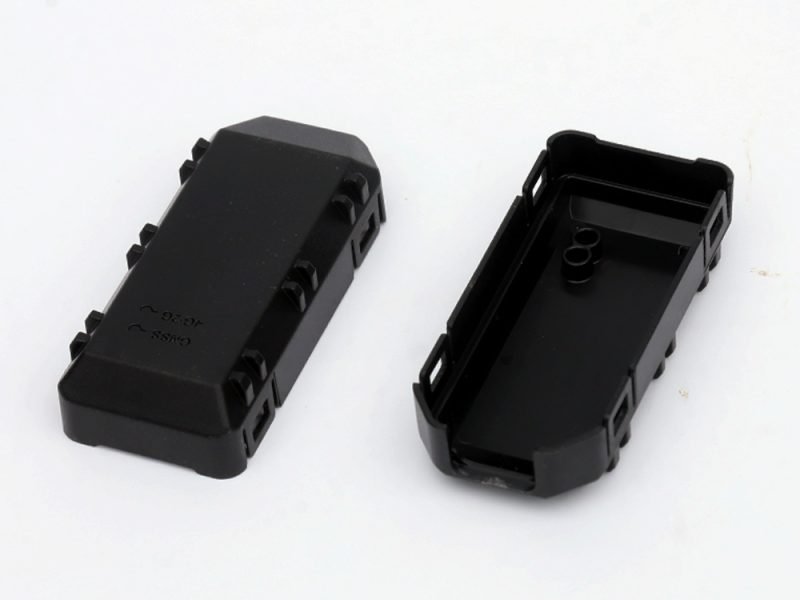
Core Capabilities for Electrical & Electronic Components
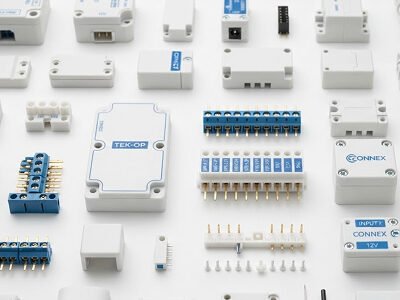

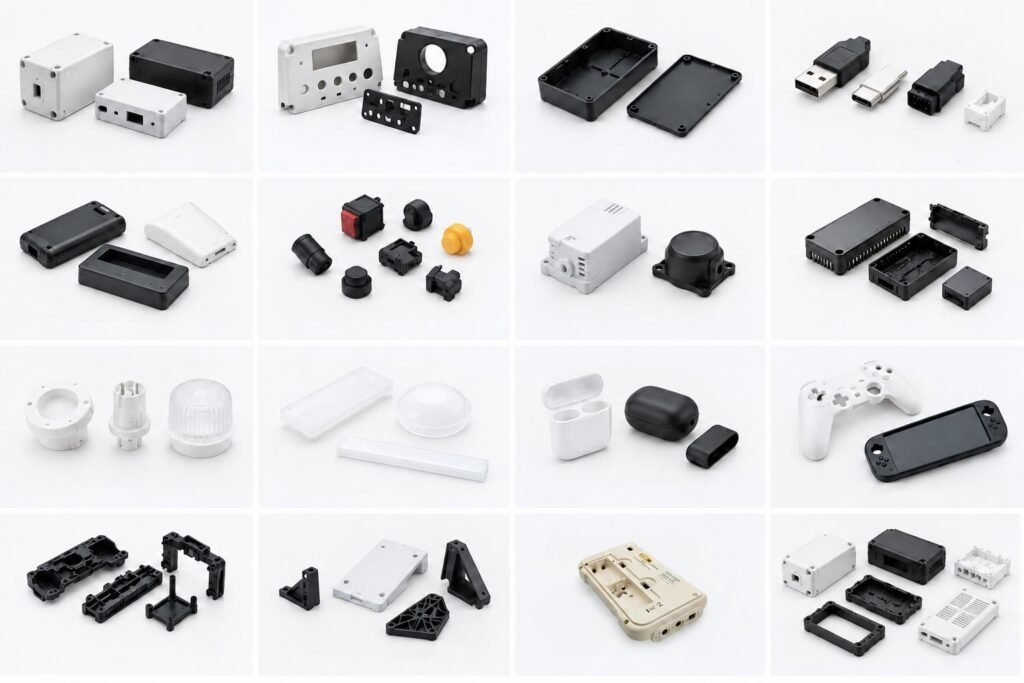
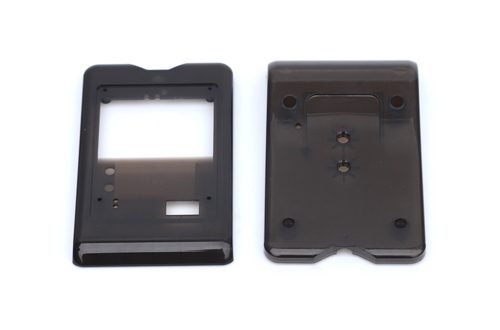
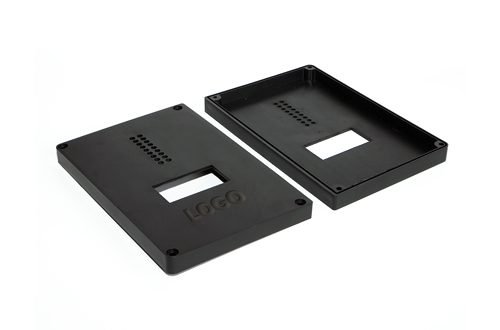
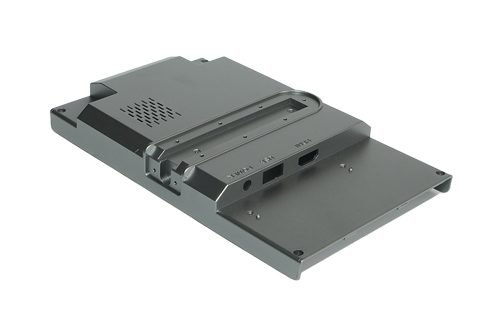
In electronics injection molding, thin walls are where most components go wrong. Whether it's an enclosure wall, a connector housing, or a small structural bracket, uncontrolled material flow, cooling, and shrinkage will warp or twist the part — and even a small deviation can throw off PCB clearance, connector mating, cover fit, or button alignment.
We control this at the mold development stage: reviewing wall thickness, rib structure, gate location, material flow, and cooling conditions, and matching material selection to the dimensional stability and operating environment your part needs. For smaller, more precision-sensitive parts like connector housings and terminal carriers, we tune tooling and process parameters specifically for tighter tolerance control.
You get stable dimensions across every part type, better fit between mating components, and far fewer tooling adjustments down the line.

Your product likely combines several molded components that have to fit together precisely — upper and lower housings, internal brackets and frames, connector-to-housing interfaces, PCB supports, button and switch mechanisms. A small dimensional deviation in any one of them shows up as a gap, an interference fit, or a misalignment across the whole assembly.
We plan for this across every component involved, not just the outer housing — critical mating dimensions, locating features, bosses, snap-fits, screw posts, and connector interfaces are all considered together during tooling and molding development, and we verify critical features with dimensional inspection before parts move into assembly.
The result is consistent alignment and predictable assembly across production batches, no matter which part types are involved.

Connectors, terminal blocks, and contact housings demand tighter tolerances than almost any other electronic component — pin position, contact spacing, and insulation wall thickness all directly determine whether the part performs electrically and mates reliably. Material has to balance insulation, flame retardance, and dimensional stability at the same time.
We mold connector and terminal housings with tight control over contact positioning accuracy, insulation integrity, and mating force consistency across full production runs, and we use insert molding wherever metal terminals or contacts need to be integrated directly into the plastic body.
You get connector and terminal components that meet electrical and mechanical requirements consistently, run after run.

Metal inserts, threaded components, terminals, connectors, and sealing elements can shift during molding or create weak interfaces if they're not positioned and supported correctly — whether they're going into an enclosure, a connector housing, or a structural part. Sealing features have to stay stable through molding and through assembly.
We integrate these components directly into the molded part through insert molding and overmolding, coordinating mold design, insert positioning, material compatibility, and molding conditions to keep everything exactly where it needs to be. Where environmental protection is required, we combine molded parts with sealing structures or overmolded elastomer components.
That means fewer separate assembly operations, more consistent insert positioning, and a more integrated part — whether it's an enclosure, a connector, or a structural component.

Most electronic products need to limit electromagnetic interference (EMI) or radio-frequency interference (RFI) somewhere — and not only on the outer enclosure. The shielding approach has to work with part geometry, assembly method, and surrounding components from the start, not get bolted on afterward.
We build shielding into the design and manufacturing process using conductive materials, metalized surfaces, shielding structures, or integrated conductive components, depending on what the application calls for. We pay close attention to critical interfaces — joints, openings, contact areas — whether the part is a housing, a shielded compartment, or a connector interface.
You get shielding performance that meets the requirement without compromising fit, assembly, or production efficiency.