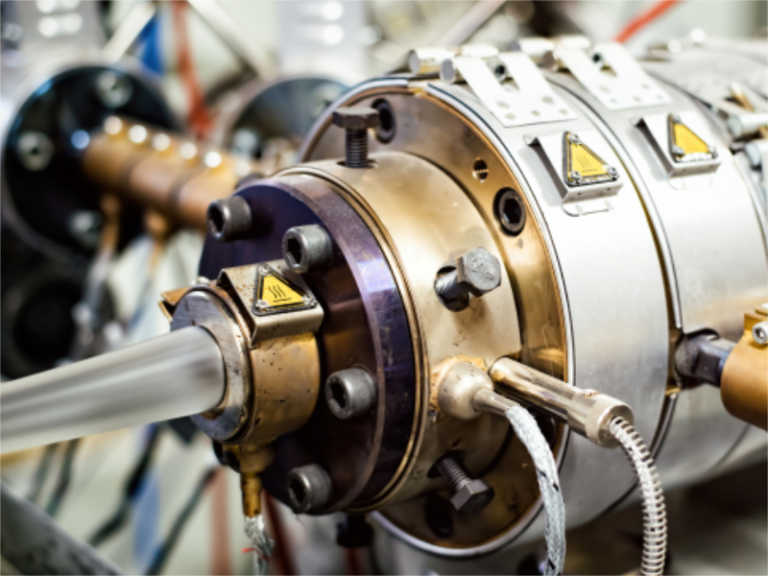
Silicone Overmolding Service

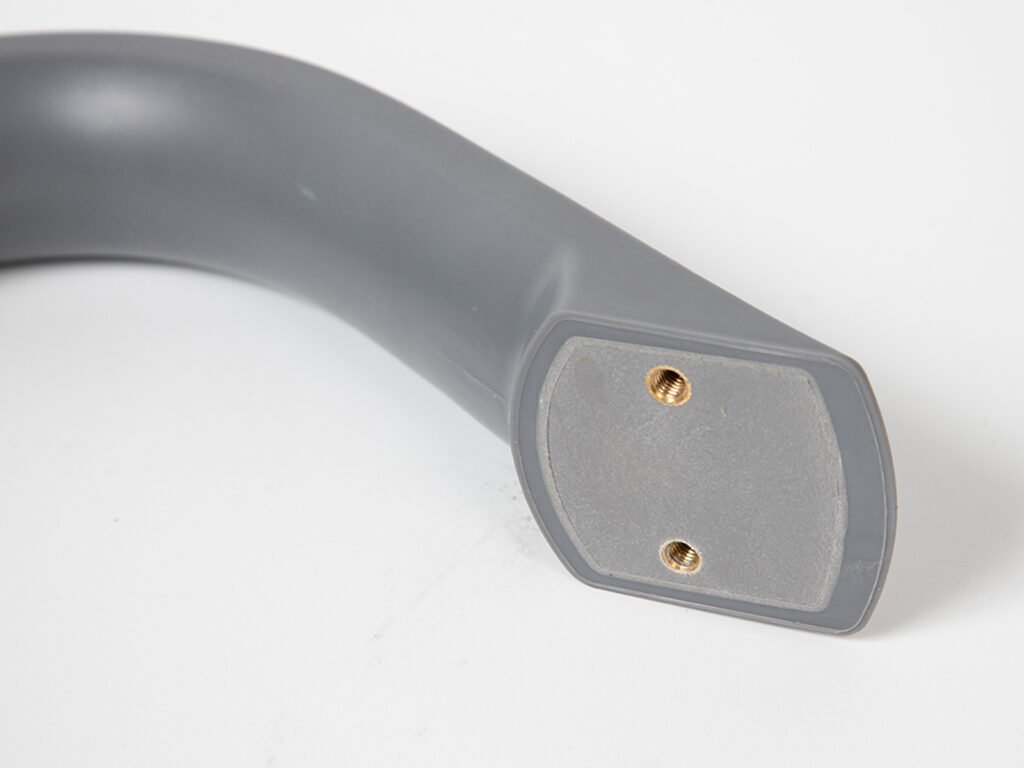
Silicone Overmolding Solutions
We help you produce silicone overmolded parts that bond reliably to rigid substrates — without delamination, misalignment, or flash on bonding interfaces.
Our silicone overmolding process begins with substrate surface preparation and primer application where required, ensuring chemical or mechanical adhesion is established before the silicone layer is shot. With controlled injection parameters, matched mold design, and post-cure management, we maintain consistent bond integrity, dimensional accuracy, and surface quality across every production run.
Silicone Overmolding Capabilities & Options
| Parameter | Recommended Range |
|---|---|
| Max Part Size | 600mm × 400mm (24 inch × 16 inch) |
| Substrate Materials | ABS, PC, PC/ABS, PA, Metal inserts |
| Silicone Shore Hardness | Shore A 20–80 |
| Color Options | Pantone / Sample / Custom colors |
| Surface Finishes | Smooth / Matte / Textured |
| Tolerances | ±0.10–0.20 mm |
| Cost | ⭐⭐⭐☆☆ |
Silicone Material Properties
Silicone is the preferred overmolding material when softness, biocompatibility, or extreme temperature resistance is required. Its key characteristics include:
- High Temperature Resistance — stable from -60°C to +230°C, maintaining elasticity across a wide thermal range
- Excellent Flexibility — low Shore hardness options deliver soft-touch grip and cushioning without permanent deformation
- Chemical and UV Resistance — resists ozone, moisture, oils, and prolonged UV exposure
- Biocompatibility — food-grade and medical-grade silicone available for regulated applications
| Property | Density | Tensile Strength | Elongation at Break | Shore Hardness (typical) | Service Temp Range |
|---|---|---|---|---|---|
| Value/Description | 1.10-1.25g/cm³ | 4 -10 MPa | 200–600% | Shore A 20–80 | -60°C to +230°C |
- The above parameters represent baseline material performance. Actual properties vary by silicone grade and cure system. Processing conditions are adjusted based on substrate material and bond requirements.
Related Process
Get Expert Feedback on Your Silicone Overmolding Design Before Tooling
Advantages & Disadvantages of Silicone Overmolding
Understanding the trade-offs helps you decide whether silicone overmolding is the right approach — or whether TPE/TPU overmolding is a better fit. In our projects, the limitations below are managed through material selection, primer treatment, and mold design.
-
Advantages
- Soft-touch grip and ergonomic feel
- Outstanding heat and UV resistance
- Excellent sealing and waterproofing capability
- Biocompatible grades available for medical and food-contact use
- Strong chemical resistance in harsh environments
-
Disadvantages
- Higher material cost than TPE or TPU
- Requires primer or surface treatment for bond to many rigid substrates
- Longer cure times compared to thermoplastic overmolding
- Limited color range compared to TPE
Applications of Silicone Overmolded Parts
Silicone overmolding is used across industries where soft-touch feel, sealing performance, or biocompatibility is required. Typical parts we manufacture include:
Medical Devices
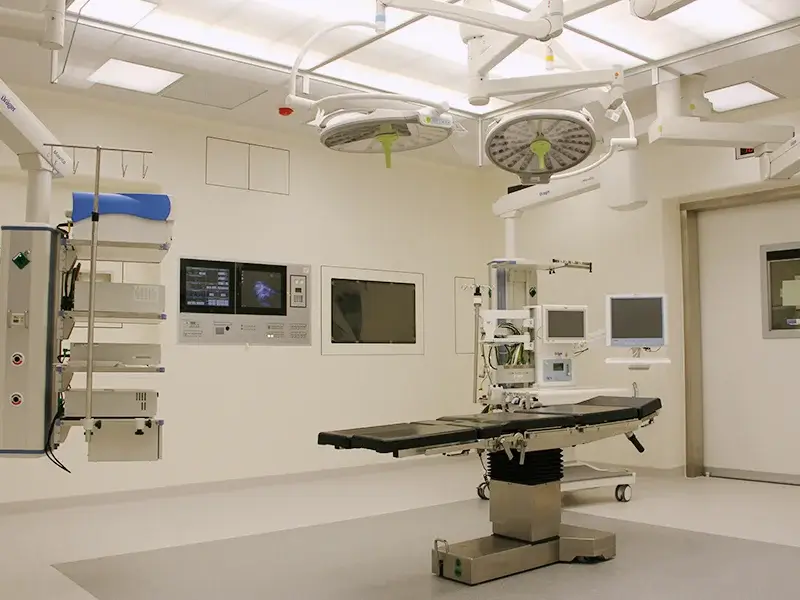
- Surgical instrument handles
- Wearable sensor housings
- Catheter and tubing components
- Diagnostic equipment grips
Consumer Electronics

- Earphone and earbud tips
- Phone case cushioning layers
- Waterproof button membranes
- Wearable device bands
Automotive Industry

- Sealing plugs and gaskets
- Interior soft-touch control surfaces
- Weatherproof sensor covers
- Vibration-dampening mounts
Industrial & Heavy
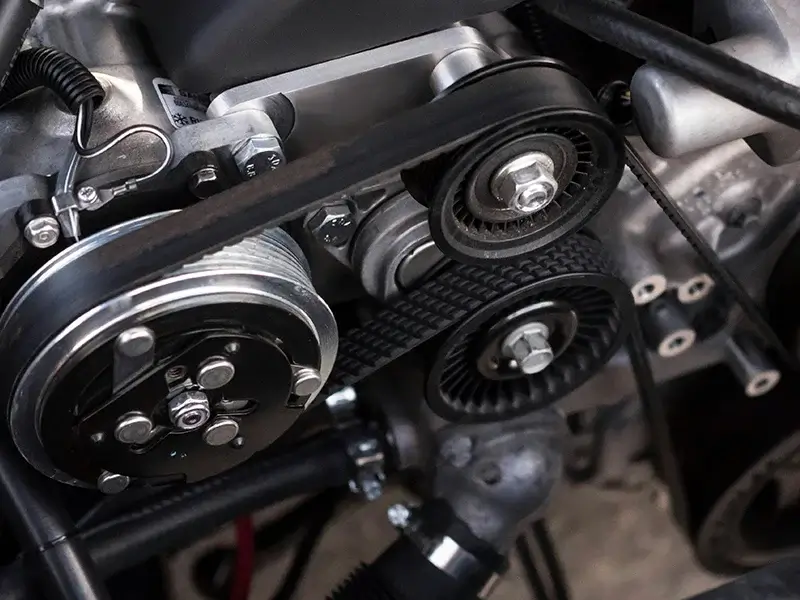
- Tool handles and grips
- Waterproof cable entry seals
- Vibration isolation pads
- Chemical-resistant covers
Jiangzhi Silicone Overmolded Parts Are Guaranteed

FAQs About Silicone Overmolding
Not always without preparation. Silicone doesn't form a chemical bond with most rigid plastics without a bonding primer or surface treatment. We evaluate substrate material and specify the right primer system before production.
Silicone offers higher temperature resistance, better UV stability, and biocompatibility — but at higher cost and with more complex bonding requirements. TPE/TPU overmolding is faster and lower cost when those silicone-specific properties aren't needed. We'll help you choose based on your application.
Yes. Overmolded silicone is commonly used to create IP-rated seals around connectors, buttons, and housing interfaces. We design the parting line and compression geometry to achieve reliable sealing.
We work with silicone from Shore A 20 (very soft) to Shore A 80 (firm but still flexible), depending on grip feel, sealing force, and durability requirements.
Typically ±0.10–0.20 mm on the silicone layer. Tighter tolerances on the rigid substrate are achievable depending on substrate material and part design.
Typically 2–4 weeks for overmold tooling and initial samples. Timeline depends on substrate complexity and whether substrate tooling is also required.