Different molding approaches serve different manufacturing needs. Understanding the traditional injection molding process helps provide a broader view of how injection molding is used for various applications.
The Low Volume Injection Moulding Process
The low-volume injection molding process is a streamlined sequence designed for efficiency and precision, tailored to smaller production runs. Here’s how it works:
- Mold Design and Fabrication: Engineers create a mold using CAD software, optimizing it for the desired part geometry. Once designed, the mold is fabricated—commonly through CNC machining or electrical discharge machining (EDM). Aluminum molds are faster and cheaper to produce than steel, making them optimal for short runs.
- Clamping: The mold halves are clamped together under high pressure to ensure a tight seal during injection, preventing leaks or defects.
- Injection: Molten plastic, such as ABS, polycarbonate, or nylon, is injected into the mold cavity at high pressure, filling every detail of the mold.
- Cooling: Coolant circulates through channels in the mold, rapidly solidifying the plastic to maintain dimensional accuracy and prevent warping.
- Ejection: Once cooled, the mold opens, and ejector pins release the finished part, ready for inspection or post-processing.
- Quality Control: Parts undergo rigorous checks, often using Statistical Process Control (SPC), to detect issues like sink marks, warping, or incomplete fills.

When to Use Low-Volume Injection Moulding?
Low-volume injection molding is ideal when flexibility, speed, and cost-efficiency outweigh the need for mass production. Here are the key scenarios where it delivers the most value:
- Prototyping & Design Verification: Perfect for functional prototypes or pilot runs when designs are ready for real-world testing before full-scale production.
- Market Testing & Early-Stage Products: Small batches reduce risk when introducing new products and allow for quick consumer feedback.
- Small-Batch Manufacturing: Suitable for startups, specialty products, or limited runs of 100–10,000 parts, offering lower upfront investment and faster lead times.
- Frequent Design Changes: Easy tooling modifications make it ideal for products that evolve rapidly or require version updates.
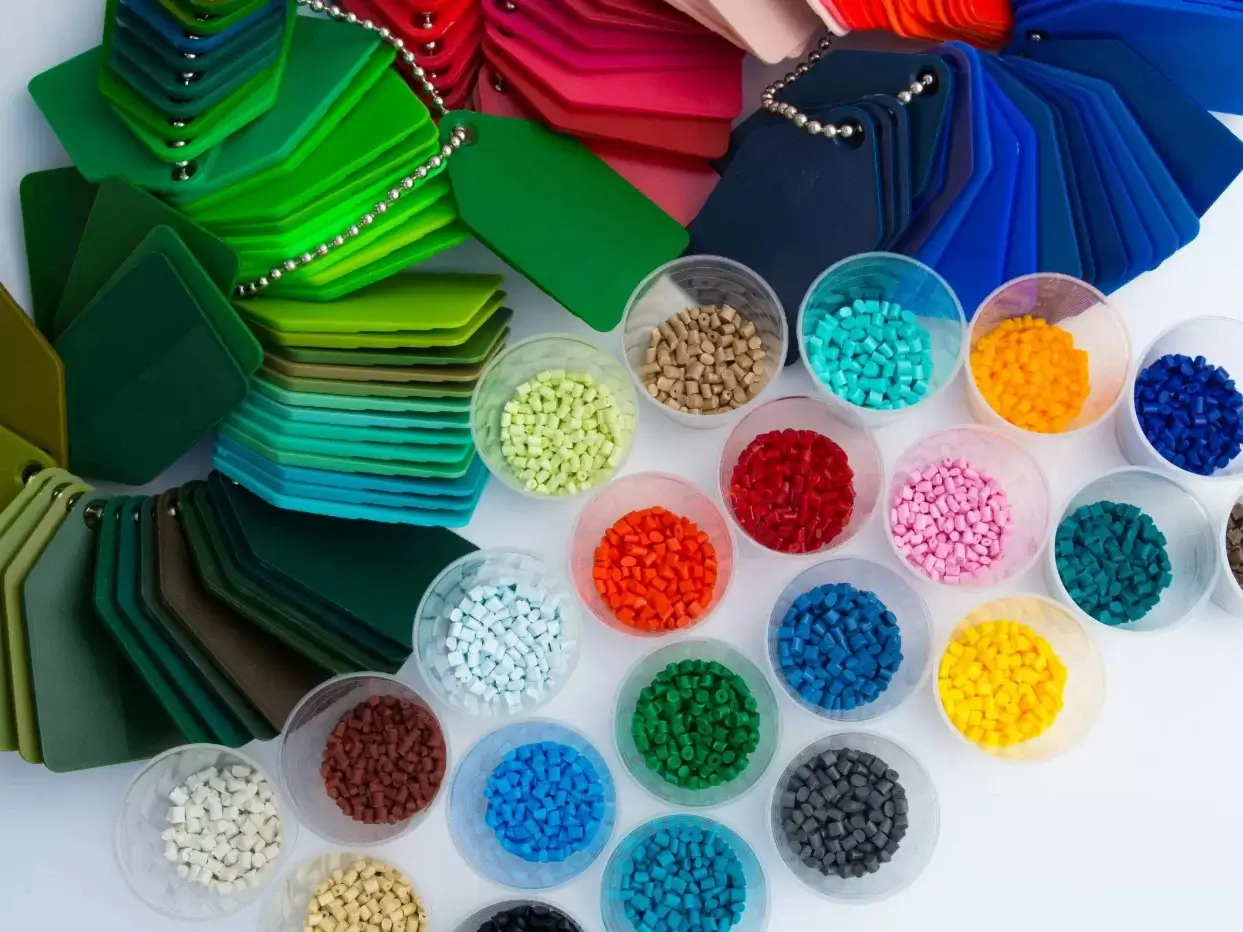
- Customization & On-Demand Production: Supports multiple colors, variants, or niche products without large inventory or tooling costs.
- Budget Constraints & Volume Uncertainty: Reduces financial risk when future demand is hard to predict.
Materials Used in Low Volume Injection Molding
Low volume injection molding supports the same thermoplastic materials used in traditional injection molding. Common materials include:
- ABS: A popular choice for prototypes and consumer products due to its good impact resistance, dimensional stability, and surface finish.
- Polycarbonate (PC): Suitable for parts requiring high impact strength, durability, or transparency.
- Nylon (PA): Commonly used for mechanical components because of its strength, wear resistance, and temperature performance.
- Polypropylene (PP): A lightweight and cost-effective option with good chemical resistance.
- PC+ABS: Combines the toughness of polycarbonate with the appearance and processability of ABS.
The material selection depends on the part’s mechanical requirements, operating environment, surface finish, and application needs. Selecting the right material early in the development process helps ensure that low volume molded parts accurately represent the performance of future production components.
Design Guidelines for Low-Volume Injection Molding
Good plastic part design is essential. Follow Design for Manufacturability (DFM) principles:
- Wall Thickness: Keep uniform (1–3.5 mm) to prevent warping.
- Draft Angles: 1–2° for easy ejection.
- Ribs & Gussets: Ribs ~½ wall thickness; gussets only where needed.
- Corners: Replace sharp corners with fillets to reduce stress.
- Gate Locations: Plan for even filling and minimal marks.
- Ejector Pins & Parting Lines: Consider during design to ensure smooth mold release.
These guidelines help avoid production issues while optimizing cost and quality.
Mold Manufacturing for Low-Volume Injection Molding
In low-volume injection molding, mold manufacturing is designed for speed, cost-efficiency, and flexibility:
- Mold Type: MUD (Master Unit Die) or simple aluminum molds are commonly used. They are quick to produce and cost-effective for small batches.
- Mold Material: Aluminum is preferred for low-volume production because it is easy to machine and fast to produce. Steel is rarely needed unless very high precision or durability is required.
- Manufacturing Methods: CNC machining is the standard for small molds. EDM is used only for intricate features or mirror finishes.
- Finish & Temperature Control: Aluminum molds allow fast production and adequate surface quality. Proper temperature control prevents warping or defects.
Partner Jiangzhi as a Volume Injection Molding Manufacturer
Jiangzhi offers advanced manufacturing technologies, flexible production, expert design support, and competitive pricing, enabling rapid mold production and high-precision parts. Get in touch today to explore a custom low-volume injection molding solution for your project!