CNC Polystyrene Machining Service
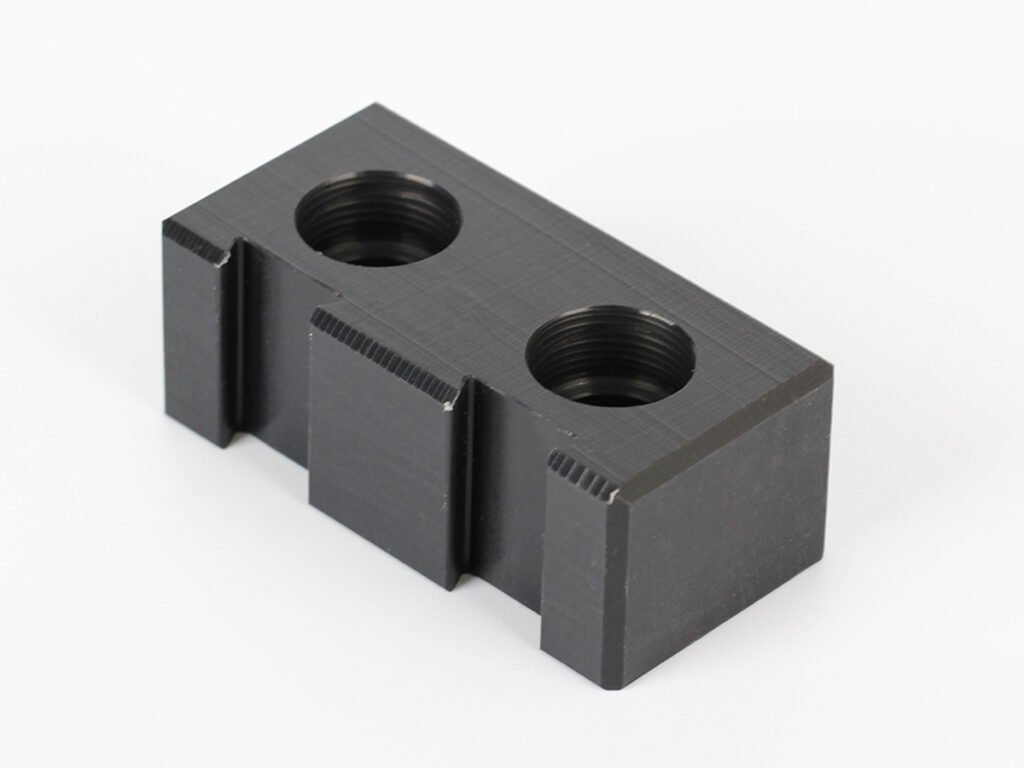
CNC Machining for Polystyrene (PS) Parts
We’ve been machining polystyrene (PS) for years, making everything from prototypes to custom parts for real projects. PS can be tricky—thin walls, delicate features, and complex shapes—but we know how to handle it. With the right tools and careful CNC setups, every part comes out clean, accurate, and ready to use.
Our CNC PS parts go into electronics (like housings and insulation mounts), display and signage (transparent panels and fixtures), consumer goods (lightweight structural pieces), and educational models. From the first design optimization to the finished part, we make sure everything works as expected and stays on budget.
| Price | $$$ |
|---|---|
| Tolerances | ±0.02mm |
| Maximum Part Size | 700mm x 500mm x 200mm |
| Minimum Feature Size | Φ 0.8mm |
| Wall Thickness | 0.8mm |
| Lead Time | About 3-6 days |
PS CNC Machining Parts Process
At Jiangzhi, our polystyrene CNC machining technology uses advanced equipment for precise cutting, milling, and shaping, ensuring exceptional dimensional accuracy and smooth surface finishes. We offer two popular machining methods:
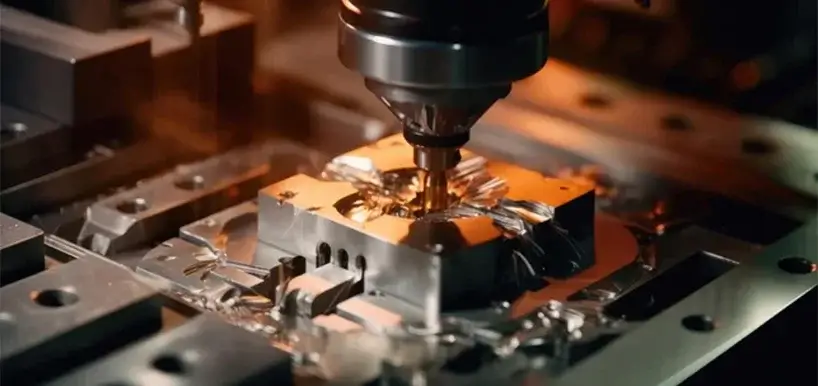
Polystyrene CNC Milling
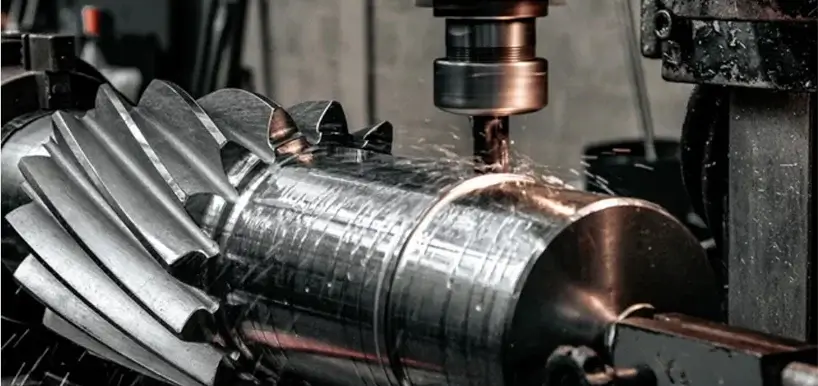
Polystyrene CNC Turning
Polystyrene Machining Plastic Properties
Polystyrene (PS) CNC machining is valued for its clean machinability, dimensional stability, and affordability. While more brittle than some engineering plastics, PS performs well under the right fixturing and delivers reliable results for precise, lightweight components.
- GPPS – A transparent, rigid plastic with high stiffness and easy molding, but brittle and low impact resistance, used for food containers, clear boxes, and stationery.
- HIPS – An opaque, smooth-surfaced plastic with improved toughness and impact resistance but low transparency, used for refrigerator linings, TV housings, and toys.
- EPS – A lightweight white foam with good insulation and cushioning, but low strength and solvent-sensitive, used for packaging, disposable food containers, and building insulation panels.
| Tensile Strength, Yield (MPa) | Elongation at Break | Hardness | Impact Strength | Heat Deflection | Heat Deflection Temperature | Melting Point |
|---|---|---|---|---|---|---|
| 35–55 MPa | 1–3% | R110–R120 | 10–30 J/m | 90–100°C | 80–90°C | No true melting point; softens at about100°C |
- The above parameters represent the baseline performance of the materials. Actual application should be dynamically optimized based on specific working conditions.
Related Process
Want Clear, Lightweight CNC Polystyrene Parts?
Advantages & Application of CNC Polystyrene
-
Advantages of PS CNC Machining
- Excellent chemical resistance – withstands corrosive chemicals and solvents.
- Low friction and non-stick surface – ideal for sliding or sealing components.
- High thermal stability – suitable for a wide temperature range.
- Good machinability – machines cleanly with precision.
- Electrical insulation – great for electronic components.
-
Polystyrene Machining Parts Application
- Electronics Industry – Insulating parts, electronic prototypes, small housings.
- Automotive Industry – Prototype panels, interior components, mock-up parts.
- Construction & Architecture – Scale/architectural models, decorative panels.
- Advertising & Signage – Signboards, 3D letters, display props.
- Education & Design – Student models, DIY projects, small custom pieces.
Surface Finishing Options for Polystyrene CNC Parts
Standard finish with visible tool marks; suitable for functional prototypes and internal components.
Uses abrasive media to create a uniform matte or satin finish; also improves coating adhesion on plastic or metal surfaces.
Adds logos, text, or identification marks via silk screen or pad printing, ideal for branding or part tracking.
Removes machining marks and evens out surface texture; ideal for prototypes and parts where appearance is not critical.
Painting and powder coating provide colorful, durable, and corrosion-resistant finishes.
Deposits metal layers such as nickel or chrome on parts, improving wear resistance, conductivity, and aesthetic quality.
Produces a smooth, glossy finish; commonly applied to plastics like PC or PMMA for enhanced clarity and premium look.
Chemical treatment for ferrous metals, creating a dark, corrosion-resistant surface with minimal thickness.
Electrochemical process for aluminum that enhances corrosion and wear resistance, with options for colored finishes.
Jiangzhi PS CNC Machining Parts Are Guaranteed

FAQs About CNC Polystyrene Machining
Yes, PS machining is effective for lightweight, low-cost parts with good dimensional accuracy.
GPPS offers better clarity, while HIPS adds impact resistance. We machine both based on your needs.
Yes, with proper fixturing, we can produce intricate details and thin features in polystyrene.
Yes. We follow strict safety and ventilation protocols, especially when machining high-speed.
Absolutely. Our engineers offer DFM (Design for Machining) feedback to help optimize your part.