
POM Injection Molding for High-Accuracy Mechanical Parts
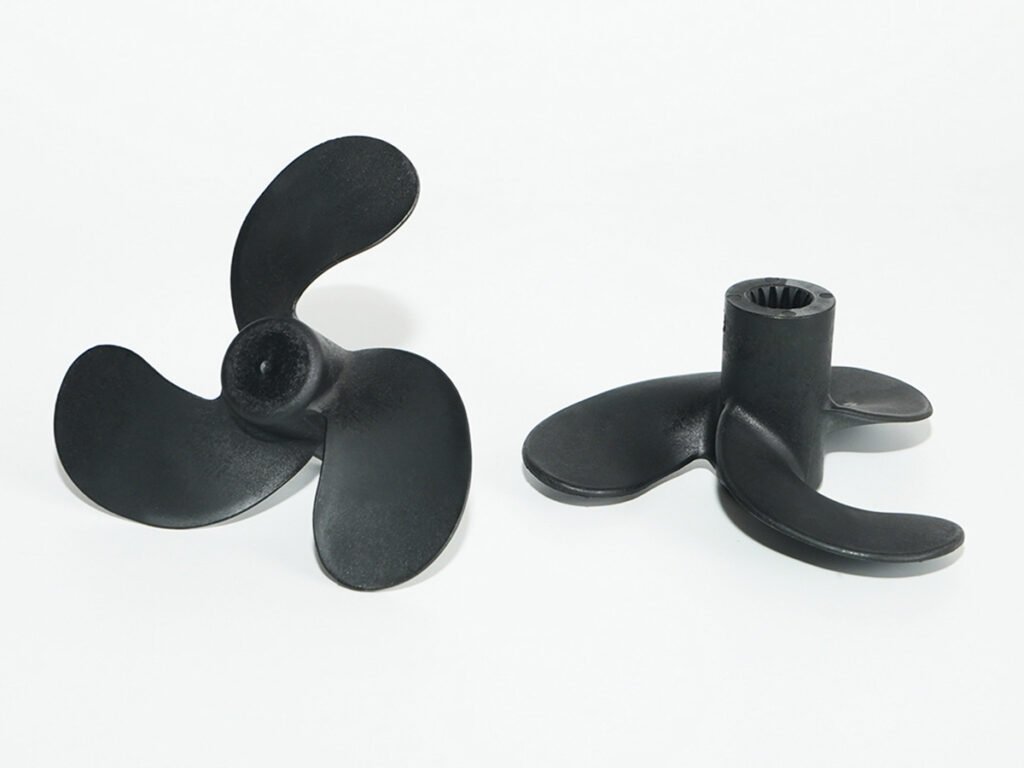
What is POM Injection Molding?
We help you manufacture precision POM components that maintain dimensional accuracy and wear resistance in demanding applications. Whether it’s small mechanical parts or complex geometries, we ensure stable production with controlled shrinkage and tight tolerances. Our experience with POM allows us to deliver consistent, reliable parts ready for assembly and long-term use.Acetal Injection Molding Capabilities & Options
Typical parameters for POM injection-molded parts we manufacture are shown below for reference. Values can be adjusted based on part geometry, tolerance requirements, surface expectations, and end-use application.| Parameter | Recommended Range |
|---|---|
| Max Part Size | 2500mm * 2000mm(98 inch * 78 inch) |
| Color Options | Natural white / Black / Limited custom colors |
| Surface Finishes | Semi-glossy / Matte / Textured Finish |
| Tolerances | ±0.02–0.05 mm |
| Cost | ⭐⭐☆☆☆ |
POM Material Properties
POM (Acetal) is commonly used in our projects for precision components that require low friction, high strength, and dimensional stability. Key Material Properties:
- High mechanical strength – Excellent toughness and impact resistance.
- Low friction & wear resistance – Ideal for moving parts, gears, and bushings.
- Dimensional stability – Minimal moisture absorption ensures precision.
- Chemical & fuel resistance – Resistant to oils, solvents, and gasoline.
| Property | Density | Tensile Strength | Flexural Strength | Impact Strength (Unnotched) | Heat Deflection Temp (0.45 MPa) |
|---|---|---|---|---|---|
| Value/Description | 1.41 - 1.43g/cm³ | 55 - 75 MPa | 90 - 120 MPa | 5 - 12 kJ/m² | 90 - 110℃ |
- The above parameters represent the baseline performance of the materials. Actual application should be dynamically optimized based on specific working conditions.
Related Process
Upload Your Drawing to Evaluate Tolerance and Manufacturability for POM Parts
Advantages & Disadvantages of POM Injection Molding
Advantages
- High Strength & Stiffness – Withstands stress and deformation in demand.
- Excellent wear resistance – Ideal for gears, bushings, and sliding components.
- Fatigue & Creep Resistance – Maintains structural integrity over time.
- Easy Machining & Post-Processing – Allows drilling, tapping, and welding.
Disadvantages
- Lower heat resistance – Softens at high temperatures (>110℃).
- Poor UV resistance – Degrades when exposed to prolonged sunlight.
- Flammability – Requires flame retardant grades for high-safety applications.
Applications of POM Injection Molding
POM is widely used across industries due to its strength, wear resistance, and low friction. Our polyoxymethyleneinjection molding servicesprovide high-quality, cost-effective solutions for various applications. Typical precision POM parts we manufacture include:
Automotive Industry

- Fuel system components
- Gear wheels & transmission parts
- Door lock systems
- Interior mechanical assemblies
Industrial & Mechanical
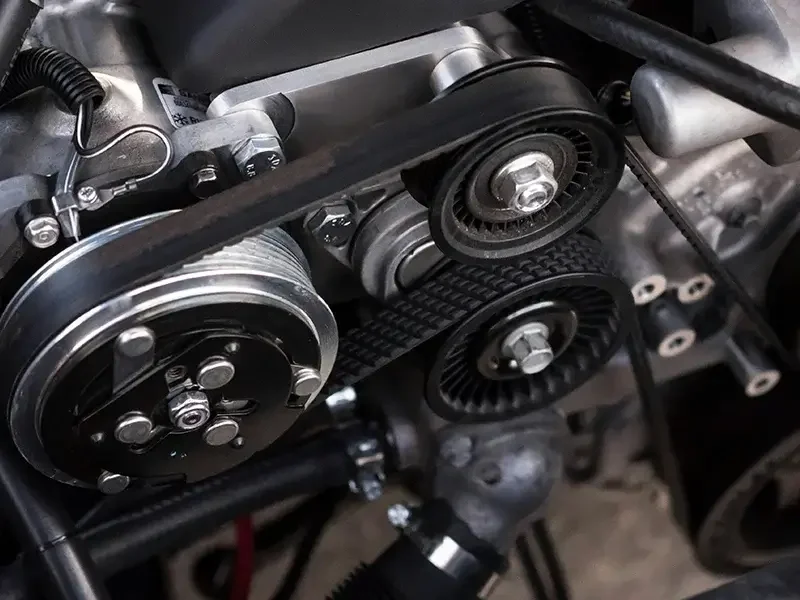
- Bearings & bushings
- Conveyor belt components
- Gears & pulleys
- Wear-resistant guides
Consumer Goods

- High-performance zippers
- Kitchen appliance components
- Sports equipment parts
- Electrical connectors
Medical Devices

- Insulin pens & inhalers
- Surgical instrument handles
- Medical gear mechanisms
- Fluid handling components
Jiangzhi POM Injection Molding Parts Are Guaranteed

FAQs About Injection POM Molding
POM is the general term for polyoxymethylene, while Delrin is a trade name for DuPont’s homopolymer POM. Delrin injection molding offers slightly higher strength and toughness, while copolymer POM has better chemical resistance and thermal stability.
Recommendation: Use Delrin for high-stress applications; opt for copolymer POM when chemical resistance is a priority.
Common Causes:
- High residual stress from fast cooling.
- Uneven wall thickness causing shrinkage variation.
- Poor mold design leading to inconsistent cooling.
Solutions:
- Optimize cooling rates and mold temperature (80-120℃).
- Maintain uniform wall thickness to prevent uneven shrinkage.
- Use proper gating locations to ensure balanced flow.
Optimization Strategies:
- Increase mold temperature and injection speed to improve flow.
- Use higher molecular weight POM grades for better bonding.
- Optimize gate location to minimize weld line formation.
Yes, but it must be paired with compatible materials like TPE or PA.
Key Considerations:
- POM as the core layer for strength and durability.
- TPE or PA as the outer layer for flexibility or soft touch.
- Ensure proper adhesion to prevent delamination.
Yes! POM parts can be CNC machining, drilling, tapping, ultrasonic welding, etc., but note that:
- CNC machining needs to control the cutting temperature to avoid melting
- Ultrasonic welding is suitable for POM+POM connections
- Limited surface treatment (e.g., poor adhesion to spraying and printing)
Want to improve part functionality? We can provide CNC Machining & Assembly services!


