Plastic compression molding is a specialized manufacturing process that stands out due to its unique material compatibility and forming method. It is particularly valuable for producing plastic components where material performance, structural stability, and specific application requirements are important considerations.
This guide explores the key aspects of plastic compression molding, helping you understand its characteristics and evaluate whether this process is suitable for your project.
What Is Plastic Compression Molding?
Plastic compression molding is a manufacturing process that uses heat and pressure to shape plastic materials into specific forms. During the process, plastic material is placed into a heated mold cavity, and pressure is applied through the mold to form the desired shape. After curing or cooling, the finished plastic part is removed from the mold.

Comparison Between Plastic Compression Molding vs Plastic Injection Molding
Plastic compression molding and injection molding are both widely used plastic manufacturing processes, but they form parts in different ways.
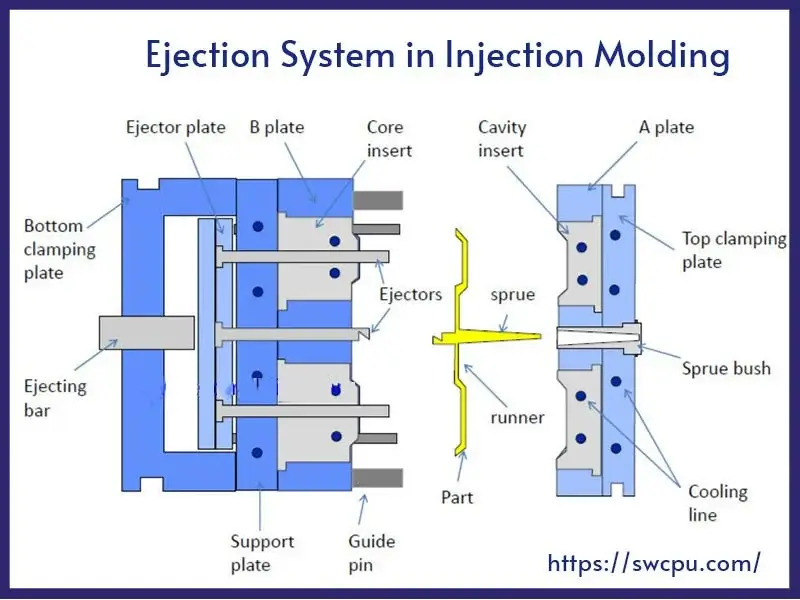
Compression molding places plastic material directly into a heated mold cavity, where heat and pressure are applied to shape and cure the material. In contrast, injection molding melts plastic and injects it into a mold cavity under high pressure before cooling it into the final shape. These different forming methods result in differences in material compatibility, part design, and production requirements.
For a more detailed comparison of these two manufacturing processes, you can read our guide on compression molding vs injection molding.
Materials Used in Plastic Compression Molding
The materials used in plastic compression molding are one of the key factors that distinguish this process from common thermoplastic molding processes. Below are the commonly used materials in plastic compression molding and their typical properties.
Thermosetting Plastics
Thermosetting plastics are the most commonly used materials in compression molding. These materials undergo an irreversible curing process when exposed to heat, creating strong and stable molecular structures. Their ability to maintain dimensional stability after curing makes them particularly suitable for compression molding applications where consistent part performance is required.
Phenolic Resin
Phenolic resin is one of the most widely used thermosetting materials in compression molding. It offers excellent heat resistance, flame resistance, and electrical insulation properties, making it suitable for applications exposed to high temperatures or requiring reliable electrical performance. Common applications include electrical insulation components, automotive parts and some industrial components.
Epoxy Resin
Epoxy resin is known for its high mechanical strength, excellent chemical resistance, and dimensional stability. It is often used when parts require superior durability and resistance to harsh environments. Due to its strong bonding properties, epoxy resin is also commonly used in reinforced plastic applications where enhanced structural performance is required.
Polyester Resin
Polyester resin is a cost-effective thermosetting material that provides good mechanical properties, corrosion resistance, and processing flexibility. It is commonly used for larger molded components and reinforced plastic parts where a balance between performance and cost is needed.
Melamine Resin
Melamine resin provides excellent surface hardness, heat resistance, and chemical stability. Its durable surface characteristics make it suitable for components that require good appearance, wear resistance, and long-term performance.
Thermoplastics
Thermosetting plastics are the primary materials used in plastic compression molding. However, some thermoplastics can also be processed through specialized compression molding techniques because they can withstand heat and pressure.
Common thermoplastic materials include:
- Polypropylene (PP): PP provides good chemical resistance, low density, and excellent fatigue resistance, making it suitable for lightweight plastic components.
- Polyamide (PA/Nylon): Nylon offers high strength, wear resistance, and good mechanical properties, especially for demanding engineering applications.
- Polyether Ether Ketone (PEEK): PEEK is a high-performance engineering plastic known for its excellent temperature resistance, chemical resistance, and mechanical strength.
- Polytetrafluoroethylene (PTFE): PTFE offers excellent chemical resistance, low friction, and high temperature stability. Due to its unique processing characteristics, it is commonly manufactured through compression molding.

Although plastic compression molding supports various plastic materials, its material range is more limited compared with injection molding. Therefore, material compatibility should be considered when evaluating whether compression molding is suitable for a specific project.
Advantages of Plastic Compression Molding
Plastic compression molding provides several advantages for manufacturing durable plastic components.
Excellent Mechanical Strength
During compression molding, the material is compressed and cured under controlled heat and pressure, which helps create dense structures with good mechanical strength and dimensional stability. This makes the process suitable for components that need reliable long-term performance.
Suitable for Large and Thick Components
Compression molding is suitable for large and thick plastic components because the material is compressed and formed directly inside the mold rather than injected through a runner system. This reduces difficulties in filling thick sections and helps maintain consistent part quality.
Lower Tooling Cost
Compression molds usually have simpler structures than injection molds because they do not require complex runner systems or high-pressure injection mechanisms. As a result, tooling costs can be lower, especially for low to medium production volumes.
Good Material Efficiency
The process produces minimal material waste because the material is placed directly into the mold cavity without complex runner systems. This makes it an efficient option for some plastic manufacturing applications.
Excellent Performance with Reinforced Materials
Compression molding is suitable for reinforced plastics because it can effectively process materials containing fibers or fillers. These reinforcement materials improve strength, stiffness, and dimensional stability, making them suitable for high-performance plastic components.
Applications of Plastic Compression Molding
Plastic compression molding is used to produce various types of plastic components across different industries. Common applications include:
- Automotive Components: Used for producing covers, housings, structural parts, and other durable plastic components.
- Electrical Components: Commonly used for electrical housings, connectors, and insulating parts due to the excellent insulation properties of many compression molding materials.
- Industrial Components: Suitable for protective covers, machine components, and other industrial parts that require strength and resistance to demanding environments.
- Reinforced Plastic Components: Used for producing reinforced plastic parts where enhanced strength, lightweight design, and long-term durability are required.
For more examples of compression molded components and to explore our molding capabilities, you can visit our compression molding products page.
Conclusion
Plastic compression molding remains an important option for manufacturing plastic components that require specific performance and design requirements. By understanding the characteristics, benefits, and applications of plastic compression molding, you can better evaluate whether it fits your project needs.
If you need reliable plastic compression molding solutions for your project, Jiangzhi offers custom compression molding services to help transform your designs into high-quality components.