
TPU overmolding provides an effective way to enhance the performance and usability of molded components. As product requirements continue to evolve, many components need to achieve a balance between mechanical strength, durability, comfort, and functional design. Traditional single-material solutions may not always meet these combined requirements. Combining different material properties within a single component allows products to achieve improved performance while maintaining design flexibility.
Choosing the right materials and design approach can make a significant difference in the performance and reliability of the final part. In the following sections, we will take a closer look at TPU overmolding and explore the key factors that influence its performance.
What Is TPU Overmolding?
Thermoplastic polyurethane (TPU) is a flexible thermoplastic material that combines rubber-like elasticity with the processing advantages of plastics. It offers excellent abrasion resistance, impact resistance, flexibility, and a soft-touch feel, making it suitable for applications requiring durability and user comfort.
Overmolding is a manufacturing process that combines two or more materials into a single component. During this process, one material is molded over an existing substrate to create a part with different functional properties.
In TPU overmolding, TPU is typically used as the outer layer, while another material serves as the structural base. This combination allows manufacturers to produce components that provide both the strength of the substrate and the flexibility, protection, and comfort of TPU.
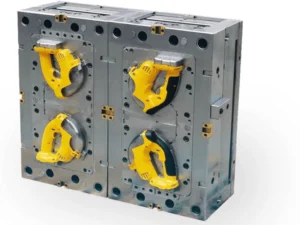
TPU Overmolding Process
The TPU overmolding process generally includes several key steps:
- Substrate molding: The rigid base component is produced using injection molding or another manufacturing method.
- Mold preparation: The substrate is positioned in the mold, and proper alignment is ensured.
- TPU injection: Molten TPU is injected over the substrate and forms a strong connection with the base material.
- Cooling and demolding: The finished part is cooled and removed from the mold.
The actual process parameters depend on material selection, part geometry, and production requirements. For more detailed information about the complete overmolding process, you can refer to the guide on overmolding process.

Materials for TPU Overmolding
Material selection plays an important role in TPU overmolding. A successful overmolded part requires suitable substrate materials, appropriate TPU grades, and good compatibility between the two materials.
Substrate Materials
The substrate is the base component that provides structural support for the final part. It is usually made from rigid materials that offer strength, dimensional stability, and mechanical performance.
Plastic Substrates
Common plastic substrates used in TPU overmolding include:
- ABS&Polycarbonate (PC): They are commonly used for consumer electronics and automotive components because they provide a good balance of strength, dimensional stability, and processing performance.
- Nylon (PA): It offers higher mechanical strength and durability, often selected for applications requiring higher mechanical performance.
- Polypropylene (PP): PP provides good chemical resistance and lightweight properties. But it may require additional surface treatment due to its lower surface energy.
Metal Substrates
Metal substrates provide excellent structural strength, while the TPU layer improves grip, impact resistance, and surface comfort. This combination is commonly used in industrial tools, automotive components, and other products requiring both strength and ergonomic performance.Such metal substrate material include aluminum and stainless steel.
Why Use TPU for Overmolding?
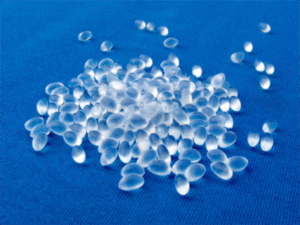
TPU is commonly selected as the overmold material due to its flexibility and compatibility with thermoplastic processing. Different TPU grades can be chosen based on specific project requirements, including:
- Hardness: Determines the flexibility and surface feel of the TPU layer.
- Abrasion resistance: Affects the durability of the overmolded surface.
- Environmental resistance: Determines performance under specific conditions, such as exposure to moisture, chemicals, or temperature changes.
Material Compatibility
The compatibility between TPU and the substrate material plays an important role in determining the bonding performance of overmolded components. Different substrate materials have different surface properties and bonding characteristics, which can affect the adhesion between the two materials. Common factors that influence material compatibility include:
- Chemical Compatibility: Materials with higher polarity and similar chemical characteristics generally provide better adhesion during the overmolding process. Materials such as ABS, PC, and certain nylon grades generally provide better bonding performance compared with low-surface-energy materials such as PP.
- Mechanical Bonding: When chemical adhesion is limited, mechanical bonding features can improve the connection between TPU and the substrate. Design elements such as undercuts, grooves, and surface textures can help TPU mechanically lock onto the base component.
- Surface Treatment: For some substrates, especially metals and certain plastics, surface preparation may be required. Cleaning, surface roughening, or other treatments can improve adhesion and reduce the risk of separation during use.
TPU vs TPE Overmolding
TPU and TPE are both commonly used as flexible overmolding materials, but they have different performance characteristics.
TPU generally provides higher abrasion resistance, better mechanical strength, and improved durability, making it suitable for demanding applications where wear resistance and long service life are important. TPE, on the other hand, is often selected for applications requiring good flexibility and cost efficiency. It provides a softer feel and can be a practical choice for products with less demanding performance requirements.
The choice between TPU and TPE depends on factors such as durability requirements, environmental conditions, flexibility needs, and production costs. For more information about the characteristics and applications of TPE overmolding, please refer to the TPE overmolding guide.
TPU Overmolding Design Considerations
Successful TPU overmolding starts with proper part design. Even when the right materials and processing conditions are selected, poor part geometry can lead to bonding failures, filling issues, or inconsistent part quality. The following are some key design factors to consider.
Substrate Wall Thickness
The substrate provides the structural foundation for an overmolded part, so its wall thickness must be sufficient to maintain rigidity and withstand the injection forces during TPU molding.
A substrate that is too thin may deform during processing or fail to provide enough mechanical support for the final component. However, excessive thickness can increase material usage and contribute to problems such as uneven cooling or dimensional variation. Maintaining relatively uniform wall thickness and avoiding sudden thickness changes helps improve structural stability and molding consistency.
TPU Layer Thickness
The thickness of the TPU layer directly affects the flexibility, surface feel, and protective performance of the overmolded part. It should be optimized according to the required function of the overmold layer.
A TPU layer that is too thin may result in incomplete filling, insufficient coverage, or reduced soft-touch performance. On the other hand, excessive TPU thickness can increase material consumption, extend cycle time, and create uneven shrinkage. In addition, sharp transitions or extremely thin TPU edges should be avoided, as these areas are more likely to experience stress concentration or peeling during use.
Mechanical Interlocks
For TPU overmolded parts, the bonding area between the TPU and substrate should be designed carefully to improve connection strength.
When chemical adhesion alone is insufficient, mechanical interlocking features can help secure the TPU layer to the substrate. Features such as grooves, undercuts, holes, or textured surfaces allow TPU to flow into the substrate structure and create a stronger mechanical connection. These features are designed to ensure proper TPU filling.
Part Geometry
Part geometry has a significant influence on TPU filling behavior and overmolding quality.
Sharp corners, narrow gaps, sudden thickness variations, and complex structures can restrict TPU flow and increase the risk of incomplete filling, air traps, or uneven material distribution. Smooth transitions and gradual changes in geometry help TPU flow more consistently around the substrate.
Transition Design
The transition area between TPU and the substrate is a critical location because it experiences stress during use and repeated loading.
Poorly designed transitions, such as thin feather edges or abrupt changes in material thickness, may create weak areas where TPU can separate from the substrate. Using defined steps, grooves, or gradual transitions can help distribute stress more evenly and improve bonding durability. Rounded edges and sufficient transition areas are also recommended to reduce stress concentration at the material interface.
Draft Angle Design
Proper draft angles should be considered when designing TPU overmolded parts to ensure smooth demolding and prevent surface damage.
Insufficient draft angles can increase friction between the part and mold surface, causing sticking, deformation, or damage during ejection. The required draft angle depends on part geometry, TPU hardness, and surface texture.
Applications of TPU Overmolding
TPU overmolding is widely used in industries where durability, comfort, and protection are required. Common applications include:
- Automotive Components: TPU overmolding is used for grips, buttons, and interior components that require a combination of rigid support and flexible surfaces.
- Consumer Electronics: It is applied to protective housings, wearable devices, and soft-touch components to improve product functionality and user experience.
- Medical Devices: TPU overmolding is used for ergonomic handles and portable equipment that require comfortable handling and reliable performance.
- Industrial Products: It is commonly used for tool grips and protective covers where enhanced surface performance is required.
Conclusion
TPU overmolding is an effective solution for creating durable and functional multi-material components. However, achieving reliable results requires careful consideration of material selection, bonding performance, and product design.
If you are looking for a professional overmolding service, Jiangzhi can support your project from material selection and mold design to final production. Contact our team to discuss your custom TPU overmolding requirements.


