
Injection molding splay marks are a common molding defect that can compromise both the appearance and performance of plastic parts. These marks often result from moisture contamination, improper material preparation, or flawed processing conditions. Understanding what causes splay in injection molding is essential for maintaining high-quality production. From optimizing material drying to refining injection parameters and mold design, this article explores effective strategies to fix and prevent splay defects, ensuring smooth, defect-free plastic components.
What are Injection Molding Splay Marks?
Injection molding splay marks, often called silver streaks, are a common injection molding defect in plastic parts. Splay defects are often seen as streak-like patterns on the surface of molded plastic, with varying colors, from faint silver to darker, more noticeable lines. These streaks occur when moisture or other volatile gases are released from the molten plastic and become oriented along the flow front, leaving streak-like marks on the molded surface. The reflective quality of these marks can make them particularly visible under direct lighting, affecting the overall visual quality of the molded part.

What Causes Splay in Injection Molding?
Injection molding splay marks can be traced back to various factors, primarily stemming from the materials used, the injection molding process, and the design and condition of the injection mold. Below, we explore these causes from these critical perspectives.
Moisture Content in Plastic Resins
Many plastics, especially hygroscopic materials like nylon, absorb moisture from the surrounding environment. When moisture remains in the resin during molding, it can vaporize under processing temperatures and contribute to silver streaks on the molded surface.
Excessive Injection Speed or Pressure
Injection speeds or pressures that are too high can create unstable flow conditions and increase the likelihood of gas-related surface defects.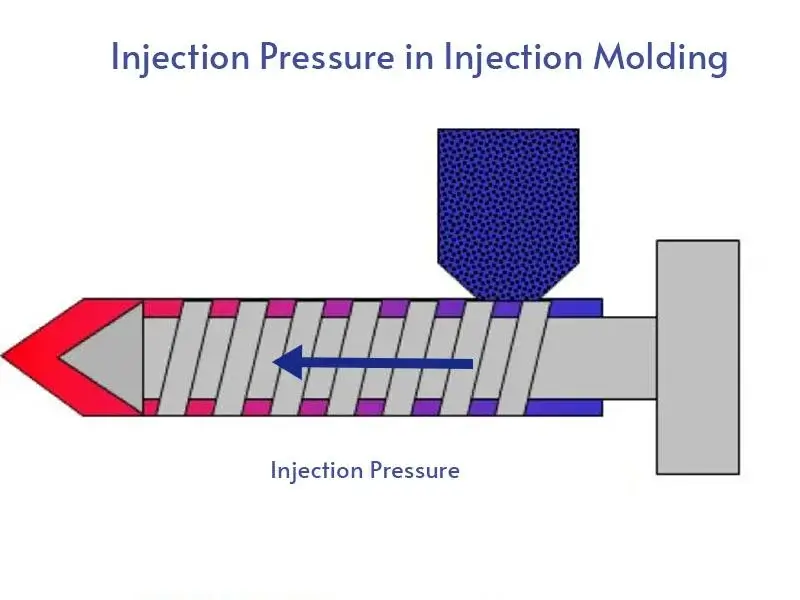
Incorrect Melt Temperature
Melt temperatures outside the appropriate processing range can affect material flow and contribute to splay. Excessive temperatures can also cause polymer degradation, which may produce streaks on the molded surface.
Poor Injection Timing or Packing Pressure
Improper injection and packing conditions can create uneven material distribution and unstable filling conditions, increasing the risk of surface defects such as splay.
Inconsistent Mold Temperature
Large variations in mold temperature can cause uneven material cooling and surface conditions, which may contribute to splay defects.
Inadequate Venting or Vent Location Issues
Poor venting can prevent gases from leaving the mold cavity efficiently during filling. The resulting gas accumulation can contribute to surface streaks and other molding defects.

Poorly Designed Gates or Runner Systems
Improper gate or runner design can create unstable or uneven material flow. These flow conditions can increase the risk of gas-related surface defects and splay marks.
How to Prevent Splay Marks in Injection Molding?
Preventing injection molding splay marks requires a proactive approach in material handling, process optimization, and mold design. The following measures can help improve surface quality and process consistency.
1. Properly Dry Materials Before Injection
- Use appropriate drying equipment: Follow the resin supplier’s recommended dryer type and settings.
- Control drying time and temperature: Maintain the specified conditions to achieve the required moisture level.
- Verify resin moisture: Use a moisture analyzer when necessary to confirm that the material is sufficiently dry.
2. Optimize Injection Speed, Pressure, and Melt Temperature
- Set injection speed and pressure appropriately: Use controlled filling conditions suited to the material and part geometry.
- Maintain the recommended melt temperature: Keep the melt within the material supplier’s processing range.
- Adjust packing and holding conditions: Set appropriate pressure and timing to maintain consistent filling and packing.
3. Maintain a Consistent Mold Temperature
- Use temperature-controlled molds: Maintain the mold within the recommended temperature range for the material.
- Balance cooling channels: Design and maintain cooling circuits to provide more uniform temperature distribution.
- Monitor mold surface temperature: Check temperatures regularly to identify excessive variations.
4. Improve Mold Venting, Gates, and Runners
- Optimize venting: Provide appropriately sized and positioned vents at locations where gases are likely to accumulate.
- Optimize gate and runner dimensions and locations: Use a flow path that promotes stable and balanced filling.
- Keep vents and flow paths clean: Remove buildup or contamination that could restrict material or gas flow.
How to Fix Existing Injection Molding Splay Marks?
Unlike preventive measures, which focus on avoiding defects during production, fixing existing splay defects requires reworking the affected parts or modifying the molding process. Here are several effective strategies to address splay defects in molded plastic parts.
1. Surface Treatment and Finishing Techniques
- Polishing and Buffing: Light splay marks on the surface can sometimes be removed using polishing or buffing tools to smooth out imperfections.
- Flame Treatment: Briefly exposing the part to a controlled flame can slightly melt the outermost surface, blending in the splay defects.
- Painting or Coating: If the plastic part allows for it, applying a paint or protective coating can hide the streaks while improving durability.
- Vapor Polishing: Certain thermoplastics, like polycarbonate, can undergo vapor polishing, where a chemical vapor smooths out defects.
2. Annealing or Heat Treatment
- Controlled Heating: Slowly heating the part in an oven at a specific temperature (below its melting point) can help redistribute polymer chains and reduce visible splay streaks.
- Infrared Heating: Using infrared heaters can locally smooth out splay marks without affecting the entire part.
3. Mechanical Rework and Part Modification
- Machining or Trimming: Removing a thin layer from the affected areas through CNC machining or manual trimming can eliminate minor splay marks.
- Surface Texturing: Sandblasting or adding a textured finish can help hide splay marks by breaking up the defect pattern.
4. Chemical Treatment
- Solvent Smoothing: Applying a solvent that slightly dissolves the outermost layer of plastic can remove or reduce the appearance of splay marks. This works well for materials like ABS and acrylics.
- Chemical Etching: Some engineering plastics can be treated with mild chemical etchants to even out the surface.
Conclusion
Splay marks in injection molding result from moisture, improper process settings, or poor mold design, affecting both appearance and structural integrity. Preventing these defects requires proper material drying, optimized injection parameters, consistent mold temperature, and improved mold design. Regular maintenance and process monitoring further ensure defect-free production, enhancing product quality and manufacturing efficiency. Working with Jiangzhi for professional injection molding service can help reduce defects and produce high-quality plastic parts.


