
Metal materials are materials made from metallic elements or metal alloys and are widely used in various industries. Due to the wide range of available options, different types of metals are selected based on their composition, characteristics, and suitability for specific requirements.
Understanding the classification and differences between common metals helps in making better material choices for manufacturing projects. The most common metals include steel, aluminum, copper, brass, titanium, and other alloys, each with unique properties and applications.
In this article, we will introduce the main classification methods of metals, explore the most common metals and their characteristics, and discuss the key factors to consider when choosing metal materials.
Classification of Metals
Metals can be classified according to different criteria, including their composition, physical properties, and chemical characteristics. Among these classification methods, classification based on iron content is one of the most common approaches used in industrial applications and daily life.
Classification by Iron Content
Based on whether iron is the primary component, metals are generally divided into two major categories: ferrous metals and non-ferrous metals.
Ferrous Metals
Ferrous metals contain iron as the main element. They are known for their high strength, durability, and excellent mechanical properties, making them widely used in construction, automotive manufacturing, machinery, and industrial equipment. However, most ferrous metals are prone to corrosion when exposed to moisture and oxygen. Additional treatments, coatings, or alloying elements are often used to improve their corrosion resistance.
Common ferrous metals include steel, cast iron, and wrought iron. Steel is one of the most widely used ferrous metals and can be further divided into different types, including carbon steel and stainless steel.
Non-Ferrous Metals
Non-ferrous metals do not contain iron as the primary element. Compared with ferrous metals, they generally offer better corrosion resistance, lower weight, and excellent electrical or thermal conductivity. These characteristics make them suitable for applications where lightweight performance, corrosion resistance, or electrical properties are required.
Some of the most commonly used non-ferrous metals are aluminum, copper, brass, zinc, and titanium.
Classification by Atomic Structure
Metals can also be classified based on their atomic structure and position in the periodic table. This classification method is mainly used in chemistry and materials science to understand the fundamental properties and behaviors of different metals.
Based on their atomic structure, metals can also be classified into groups such as alkali metals, alkaline earth metals, and transition metals.
Although this classification helps explain the chemical characteristics of metals, classification by iron content is more commonly used in engineering and manufacturing because it directly relates to material performance, applications, and selection. With a basic understanding of metal classification, the following section will introduce some of the most common metals.
Most Common Types of Metals
Different industries use various metal materials depending on their required properties, production methods, and application environments. The following are some of the most common metals used in manufacturing and daily applications.
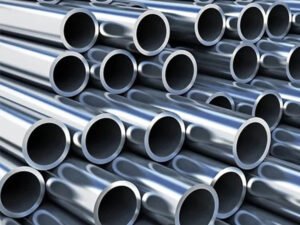
Stainless Steel
As a type of steel, stainless steel contains chromium to improve corrosion resistance. It help to rust and makes it suitable for environments where durability and surface quality are important.
Key Properties
- Excellent corrosion resistance
- High strength and durability
- Good surface finish
- Suitable for demanding environments
Common Uses
- Medical equipment
- Food processing equipment
- Kitchen products
- Precision components
Carbon Steel
Carbon steel is one of the most commonly used types of steel and is mainly composed of iron and carbon. The carbon content affects its hardness, strength, and overall performance, allowing carbon steel to be classified into low, medium, and high carbon steel. Due to its versatility and relatively low cost, it is widely used across various manufacturing industries.
Key Properties
- High strength and durability
- Good machinability and weldability
- Available in different grades with varying performance
- Cost-effective compared with many other metal materials
Common Uses
- Structural components
- Machinery parts
- Automotive components
- Industrial equipment
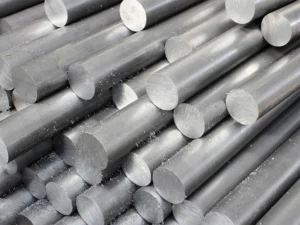
Aluminum
Aluminum is one of the most common non-ferrous metals due to its lightweight characteristics and good overall performance. It is widely used when reducing weight while maintaining sufficient strength is important.
Key Properties
- Lightweight
- Good corrosion resistance
- Excellent machinability
- Good thermal and electrical conductivity
Common Uses
- Aerospace components
- Automotive parts
- Electronic housings
- Consumer products
Copper
Copper is a widely used non-ferrous metal known for its excellent electrical and thermal conductivity. It is also easy to process and maintains good performance in various environments.
Key Properties
- Excellent electrical conductivity
- High thermal conductivity
- Good corrosion resistance
- High ductility
Common Uses
- Electrical components
- Wiring systems
- Heat exchangers
- Plumbing products

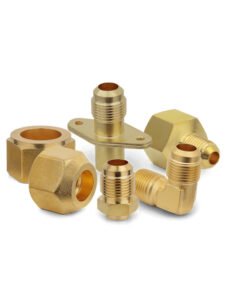
Brass
Brass is an alloy mainly composed of copper and zinc. It combines good machinability, corrosion resistance, and a smooth surface appearance, making it a commonly used engineering material.
Key Properties
- Excellent machinability
- Good corrosion resistance
- Low friction characteristics
- Good formability
Common Uses
- Valves and fittings
- Electrical connectors
- Hardware components
- Decorative parts
Titanium
Titanium is a high-performance metal known for its excellent strength-to-weight ratio and corrosion resistance. Although it is more expensive than many common metals, it is selected for applications requiring advanced material performance.
Key Properties
- High strength-to-weight ratio
- Excellent corrosion resistance
- Good high-temperature performance
- Lightweight compared with many high-strength metals
Common Uses
- Aerospace components
- Medical devices
- Chemical processing equipment
- High-performance parts
Zinc
Zinc is a commonly used metal that plays an important role in corrosion protection and alloy production. It is often combined with other metals to improve their overall performance.
Key Properties
- Excellent corrosion resistance
- Good casting performance
- Low melting point
- Cost-effective
Common Uses
- Galvanized steel coatings
- Die casting components
- Hardware products
- Battery production
Factors to Consider When Choosing Metal Materials
Once you understand the different types of metals available, the next step is selecting the right material based on your project requirements. Considering factors such as performance, environment, processing needs, and cost can help ensure a more suitable material choice.
1. Mechanical Properties
The mechanical properties of a metal determine whether it can meet the required performance under different working conditions. Important factors include strength, hardness, wear resistance, and toughness. For example, steel is often chosen for applications requiring high strength, while aluminum is preferred when lightweight performance is important.
2. Environmental Requirements
The operating environment can significantly affect metal performance. Factors such as moisture, chemicals, temperature changes, and exposure conditions should be considered when selecting a material. Metals with good corrosion resistance, such as stainless steel and aluminum, are suitable for environments where durability is required.
3. Weight Requirements
Weight is an important consideration in many manufacturing projects. Lightweight metals, like aluminum, can help reduce overall product weight while maintaining suitable performance.
4. Fabrication Requirements
The manufacturing process also influences material selection. Some metals are easier to cut, machine, weld, or form than others. Metals with good machinability, such as aluminum and brass, are commonly selected for precision components and complex designs.
5. Cost and Availability
Material cost and availability can affect project budgets and production schedules. A suitable metal should provide a balance between performance requirements, material cost, and supply availability. For example, steel is widely used because it offers good performance at a relatively affordable cost, while titanium provides excellent properties but usually requires a higher investment.
Conclusion
Metal materials can be processed through various manufacturing methods, including CNC machining, casting, forging, sheet metal fabrication, and extrusion. Among these processes, CNC machining is widely used for producing precision metal components because it offers excellent accuracy, flexibility, and compatibility with a wide range of metals.
If you are looking for suitable materials for CNC machining projects, explore Jiangzhi’s metal materials for CNC machining to learn more about the common metals we process and our custom machining capabilities.


