As product development cycles become shorter and market requirements continue to increase, prototype injection molding offers a practical solution for companies seeking more efficient product validation methods. This article explores the benefits, applications, and key considerations of prototype injection molding in modern product development.
What is Prototype Injection Molding?
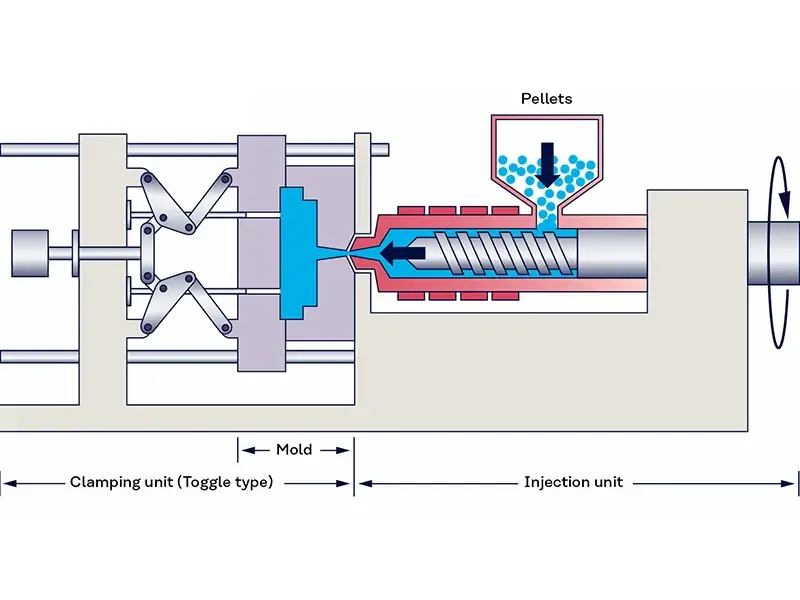
Prototype injection molding is a process that uses injection molding technology to create small batches of plastic prototype parts. It typically uses simplified molds, such as aluminum molds, to produce parts with similar materials, appearance, and performance to the final product.
The injection molding process for prototypes is similar to standard injection molding, but it is optimized for producing low-volume parts used for design validation, functional testing, and product improvement.

Key Benefits of Prototype Injection Molding
Accelerating Time-to-Market with Prototyping
One of the most significant advantages of prototype injection molding is its ability to accelerate time-to-market. By creating functional and visually accurate prototypes early in the design process, companies can quickly test, refine, and iterate their products. This fast-paced feedback loop helps businesses move from concept to production more efficiently, reducing the overall development timeline. Prototyping with injection molding allows designers to identify potential issues earlier and make adjustments before committing to mass production, saving both time and resources.
Cost-Effectiveness for Complex Design Testing
Prototype injection molding offers an affordable solution for testing complex designs that would otherwise require expensive tooling or manufacturing methods. Traditional prototyping techniques, such as machining or handcrafting models, can be time-consuming and costly, especially when dealing with intricate geometries or testing. Injection molding for prototypes, however, allows companies to produce small batches of functional parts at a lower tooling cost, making it an attractive option for testing multiple iterations of a design.
Material Flexibility in Prototype Production
Another key benefit of prototype injection molding is the wide range of materials available for prototype production. Designers can select from a variety of plastic resins, including both standard and specialized materials, depending on the properties they need for their prototypes. This flexibility enables designers to simulate the behavior and performance of the final product under real-world conditions.
Common materials used in prototype plastic injection molding include ABS, polypropylene, and nylon, among others. Additionally, advanced materials such as glass-filled resins or elastomers can also be used to mimic the final product’s material properties.
Improved Design Validation with Prototypes
Prototypes created through injection molding provide a more accurate representation of the final product compared to other prototyping methods like 3D printing. Injection molding allows for parts to be tested for functionality, fit, and durability under real-world conditions, ensuring that the design is fully validated before mass production begins. This results in a higher degree of confidence in the final product, reducing the likelihood of defects or design flaws slipping through the cracks.
Furthermore, an injection molding prototype allows for testing of complex features, such as undercuts, thin walls, or intricate geometries, which may not be accurately replicated with other methods. This thorough validation process minimizes the risk of costly redesigns or delays during full-scale production.
Applications of Injection Molding Prototype
Creating Functional Prototypes for Testing
Prototype injection molding is commonly used to create functional prototypes that closely match the final product in material, structure, and performance. These prototypes allow engineers to test fit, assembly, strength, durability, and overall functionality before mass production.
Using similar materials and manufacturing processes helps ensure more realistic testing results, allowing teams to identify design issues and make improvements before investing in production tooling.
Visual Prototypes for Design and Aesthetic Validation
These prototypes are typically used to validate the aesthetic design, texture, and color of a product, ensuring that it aligns with the brand’s image and meets customer expectations. Visual prototypes also provide an opportunity to assess the ergonomics and overall user experience.
Short-Run Production and Limited-Edition Prototypes
Prototype injection molding is also ideal for short-run production or limited-edition prototype runs. In some cases, manufacturers need to produce a small batch of prototypes to evaluate market demand or conduct focus group testing. Rapid prototyping injection molding offers a cost-effective and efficient method for producing small quantities of parts in a short period of time.
What Are Some Prototype Options?
When it comes to developing prototypes for product design and testing, there are several options available to meet different needs, budgets, and timelines. Each prototyping method has its strengths and limitations, and the choice of which to use depends on factors like the complexity of the design, the material requirements, the desired level of detail, and the need for functional testing. Here are some of the most common prototype options used in product development:
3D Printing (Additive Manufacturing)
3D printing is one of the most popular and accessible prototyping options today. It allows for the rapid creation of complex geometries by adding material layer by layer, which can be particularly useful for conceptual models, design validation, and small-scale production.

CNC Machining
CNC (Computer Numerical Control) machining involves using computer-controlled tools to carve or mill away material from a solid block to create a prototype. This method is highly accurate and suitable for parts that require tight tolerances, smooth finishes, or a high level of detail. CNC machining can be used on a variety of materials, including metals, plastics, and composites.

Vacuum Casting
Vacuum casting involves creating a silicone mold from a master prototype and then using that mold to produce parts in small quantities, typically from urethane resins or similar materials. This method is often used when there’s a need for high-quality prototypes in a relatively short time frame, and it’s suitable for producing parts that mimic the final product’s material properties.

Prototype Injection Molding
Prototype injection molding is a technique that uses a simplified mold to produce small batches of parts quickly and cost-effectively, typically in plastic materials. It is used when a functional prototype is needed for testing performance, fit, and functionality, and when the final production process will also use injection molding.
Stereolithography (SLA)
Stereolithography (SLA) is a form of 3D printing that uses ultraviolet (UV) light to cure liquid resin, creating parts layer by layer. SLA is known for its high precision and ability to produce detailed prototypes with smooth surface finishes. It is particularly popular in industries where aesthetics and intricate designs are essential, such as in the automotive or jewelry industries.

Traditional Injection Molding vs. Prototype Injection Molding
While both traditional injection molding and prototype injection molding utilize the same core injection molding process, they differ significantly in terms of purpose, cost, time, and scale. Here’s a comparison table between Traditional Injection Molding and Prototype Injection Molding: