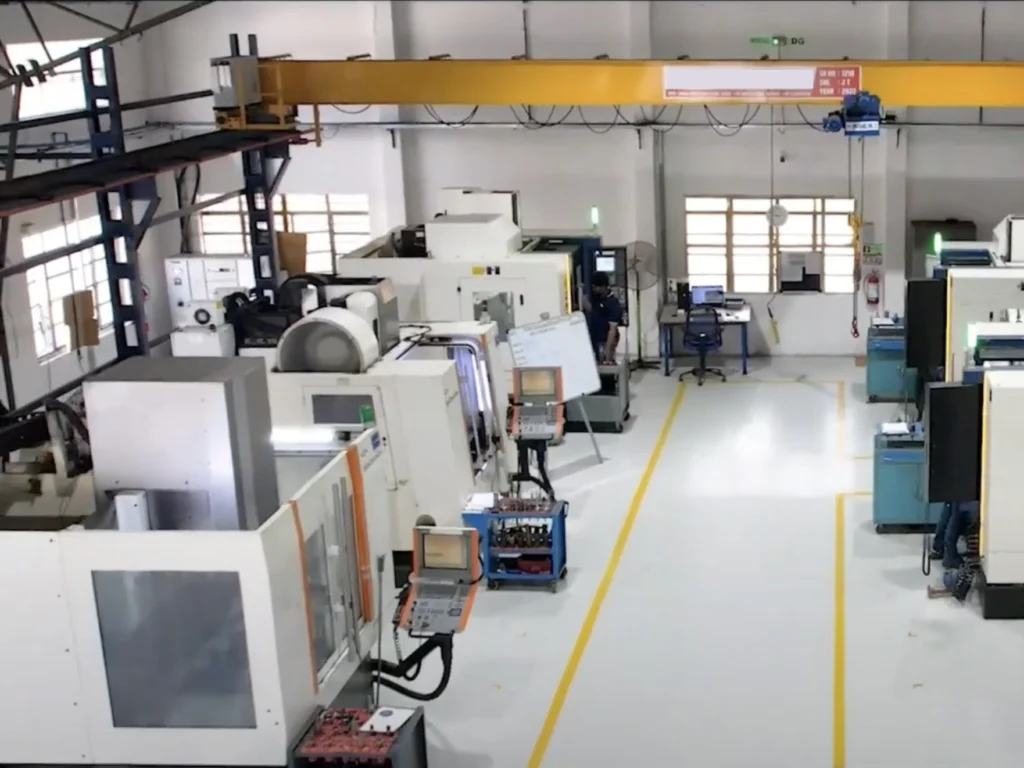
When developing new products or producing custom components, businesses often need precision parts in small quantities for testing, validation, or early production. However, traditional manufacturing methods may require high upfront costs and long preparation times.
Low volume CNC machining provides a flexible solution for producing accurate parts with shorter lead times and lower initial investment. It is widely used for prototypes, small-batch production, and customized components.
What Is Low Volume CNC Machining?
Low volume CNC machining refers to the production of a limited number of precision-machined parts using CNC (Computer Numerical Control) equipment. The quantity for low volume production is not strictly defined and may range from a few pieces to hundreds or even thousands of parts depending on project requirements. It is commonly used for prototypes, product testing, customized components, and early-stage production.
The basic process generally involves preparing CAD files, programming CNC machines, selecting suitable materials, machining the parts, and inspecting the final results.
Benefits of Low Volume CNC Machining
Low volume CNC machining offers several advantages for businesses that need precision parts in small quantities, including cost efficiency, design flexibility, and faster product development.
Lower Initial Investment
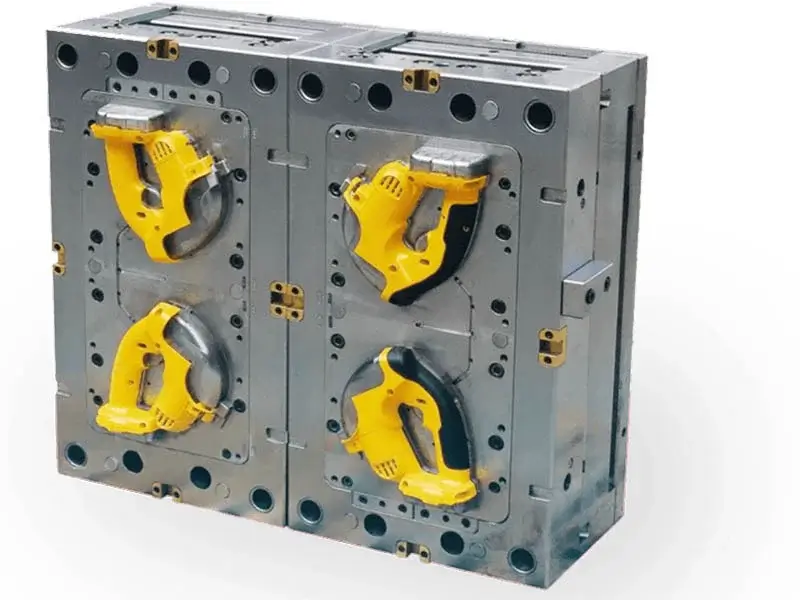
One of the main advantages of low volume CNC machining is the reduced upfront cost. Unlike injection molding or die casting, CNC machining typically does not require expensive production molds. This makes it suitable for businesses that need custom parts but want to avoid large initial investments before confirming product demand.
Faster Product Development
Low-volume CNC machining allows companies to produce functional parts quickly for testing and evaluation. During product development, designs often require multiple improvements. CNC machining provides the flexibility to update designs and manufacture revised parts without long tooling changes.
Design Flexibility
CNC machining supports a wide range of part geometries, materials, and design requirements. For businesses developing customized products, low-volume CNC machining makes it easier to produce complex components and adjust designs according to testing results or customer feedback.
Consistent Quality and Precision
CNC machines use computer-controlled processes to maintain consistent machining accuracy. This makes low volume CNC machining suitable for applications that require reliable dimensions, tight tolerances, and functional performance, even when production quantities are limited.
Reduced Inventory Risk
Producing large quantities before understanding market demand can create excess inventory. Low volume CNC machining allows businesses to manufacture smaller batches based on actual needs, helping reduce storage costs and production risks.
When Should You Use Low Volume CNC Machining?
Low volume CNC machining is commonly used for projects that require small-batch production, design validation, and customized components. It is especially suitable for product development, early-stage manufacturing, and parts with unique requirements.
Product Prototyping
Low-volume CNC machining is widely used during product development and prototyping. For startups, small businesses, and product developers, creating functional prototypes helps evaluate design performance, product appearance, assembly requirements, and user feedback.
Bridge Production
Bridge production refers to the stage between prototyping and full-scale manufacturing. During this stage, companies produce small batches of parts to meet early production needs before moving to mass production. It is used for market testing, customer evaluation, and early product launches. This approach helps businesses confirm product requirements and reduce risks before moving into higher-volume production.
Customized and Complex Parts
For customized CNC large parts with complex structures or unique requirements, low-volume CNC machining provides an effective manufacturing option. It is especially suitable for projects with limited production quantities, high precision requirements, flexible design needs, or situations where the cost of traditional tooling is difficult to justify.
Tips to Reduce Low Volume CNC Machining Costs
Although low volume CNC machining is a flexible and cost-effective solution for small-batch production, design choices can still affect the final cost. By making the right decisions during the design stage, businesses can reduce unnecessary machining steps and improve cost efficiency.
Optimize Design for Manufacturability (DFM)
Following Design for Manufacturability (DFM) principles during the design stage helps ensure that parts are easier to manufacture. This includes simplifying unnecessary features, reducing complex geometries, and considering machining requirements early in the process. For example, designs can avoid deep cavities, thin walls, and sharp internal corners. Also, you should consider using standard hole sizes, consistent wall thicknesses, and accessible features.
Choose Suitable Materials
Material selection affects both machining difficulty and overall cost. Choosing a material that meets the required performance without unnecessary specifications can help reduce expenses while ensuring part quality.
Limit Unnecessary Secondary Operations
Additional processes such as polishing, anodizing, or engraving can increase production time and cost. These operations should only be added when they are necessary for the part’s function or appearance.
Specify Practical Tolerances
Tighter tolerances usually require more precise machining and inspection, which can increase costs. Applying strict tolerances only to critical areas helps balance part performance and manufacturing efficiency.
Low Volume CNC Machining vs. Mass Production
Low volume CNC machining and mass production serve different manufacturing needs. Choosing the right method depends on factors such as quantity, budget, and product requirements.
| Factor | Low Volume CNC Machining | Mass Production |
|---|---|---|
| Production Quantity | Small batches | Large quantities |
| Initial Investment | Lower upfront cost | Higher tooling investment |
| Lead Time | Shorter preparation time | Longer setup process |
| Design Flexibility | High flexibility | Less flexible after setup |
| Unit Cost | Higher for large quantities | Lower at high volumes |
| Best For | Prototypes, custom parts, small batches | High-demand products |
The right manufacturing approach depends on your production goals, quantity requirements, and project stage. For a more detailed comparison, explore our article about the differences between high volume and low volume manufacturing.
Other Low Volume Manufacturing Options
Low volume CNC machining is a popular choice for producing precision parts in small quantities. Depending on factors such as material requirements, part complexity, production volume, and application needs, other manufacturing methods may also be considered. Besides CNC milling, CNC turning, and multi-axis machining, businesses can also explore the following low volume manufacturing options.
Injection Molding
Low volume injection molding is suitable for producing small batches of plastic parts, especially when consistent production and high repeatability are required. Compared with CNC machining, injection molding requires tooling investment but can provide lower unit costs when production quantities increase. It is often used for plastic components that may later move into larger-scale production.
3D Printing
3D printing is commonly used for rapid prototyping and early-stage product development. It allows businesses to quickly create prototypes with complex designs and make design improvements before moving to other manufacturing processes. However, CNC machining is usually preferred when parts require higher strength, better surface finish, or production-grade materials.
For a better understanding of the differences between these two methods, you can explore our guide on CNC machining vs. 3D printing to choose the right solution for your project.
Rapid Tooling
Rapid tooling provides a faster and more cost-effective way to create molds for small-batch injection molding. It is often used for bridge production, functional testing, or early market validation. For prototype development and design validation, explore our rapid prototyping services.
Urethane Casting
Urethane casting is another option for producing small quantities of plastic parts. It is commonly used for prototypes, appearance models, and low-volume plastic components that require similar properties to injection molded parts without the cost of traditional molds.
Applications of Low Volume CNC Machining
Low volume CNC machining is commonly used in the following industries and applications:
- Automotive Development: Small batches of functional prototypes, custom brackets, and testing components can be produced for design validation and performance testing before mass production.
- Consumer Electronics: Low volume CNC machining helps create custom enclosures, housings, and fixtures for new product development, design verification, and early-stage production.
- Medical Devices: It is commonly used for producing customized medical components, testing parts, and specialized devices, such as surgical instruments, diagnostic equipment components, and medical device housings.
- Industrial Equipment: Businesses can produce replacement parts, machine components, and fixtures on demand without maintaining large inventories.
- Aftermarket and Replacement Parts: It is used to produce custom replacement components and low-volume service parts when needed.
Conclusion
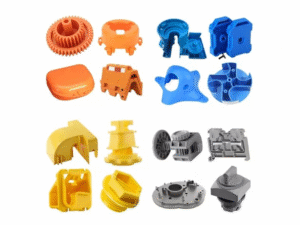
Low volume CNC machining provides an effective solution for businesses that need precision parts without the cost and commitment of mass production. It supports product development, small-batch manufacturing, customized components, and market testing with greater flexibility and shorter lead times.
If your project requires low volume manufacturing, Jiangzhi provides customized low volume manufacturing services to support projects from prototyping to small-batch production. Contact Jiangzhi today to discuss your project needs.