
ABS Injection Molding
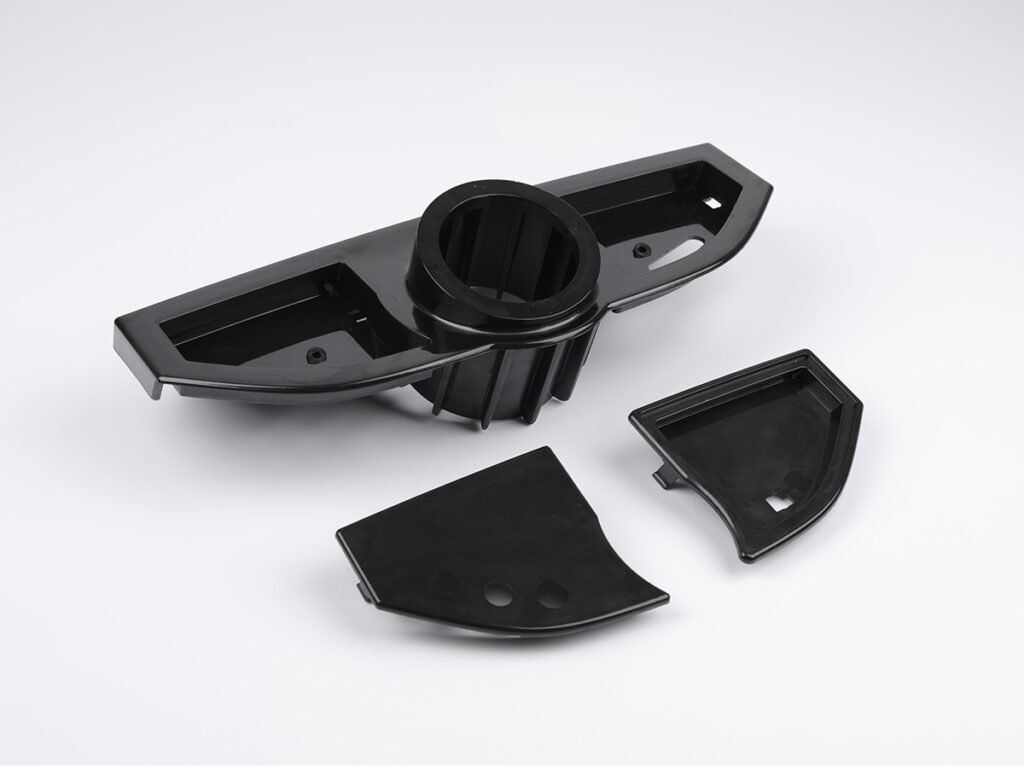
ABS Injection Molding Solutions
We help you produce stable, high-quality injection molded ABS parts — without warping, cracking, or inconsistent dimensions.
Our ABS injection molding process starts with precision mold design, ensuring your parts are molded correctly from the very beginning. With optimized processing parameters and strict quality control, we maintain consistent dimensions, surface quality, and performance across every batch.
ABS Injection Molding Capabilities & Options
Typical parameters for ABS injection-molded parts we manufacture are shown below for reference. Values can be adjusted based on part geometry, tolerance requirements, surface expectations, and end-use application.
| Parameter | Recommended Range |
|---|---|
| Max Part Size | 2500mm * 2000mm(98 inch * 78 inch) |
| Color Options | Pantone / Sample / Custom colors |
| Surface Finishes | Glossy / Semi-glossy / Matte / Textured Finish |
| Tolerances | ±0.05–0.10 mm |
| Cost | ⭐⭐☆☆☆ |
ABS Material Properties
ABS is one of the most commonly used materials in our injection molding projects due to its balance of strength, toughness, and processability. It combines the advantages of three monomers:
- Acrylonitrile - which provides chemical resistance and hardness
- Butadiene - which provides excellent impact resistance and toughness
- Styrene - which gives ABS good rigidity, gloss and workability
| Property | Density | Tensile Strength | Flexural Strength | Impact Strength (Unnotched) | Heat Deflection Temp (0.45 MPa) |
|---|---|---|---|---|---|
| Value/Description | 1.02-1.05g/cm³ | 40 -50 MPa | 60-70 MPa | 20 -30 kJ/m² | 90-100℃ |
- The above parameters represent the baseline performance of the materials. Actual application should be dynamically optimized based on specific working conditions.
Related Process
Get Expert Feedback on Your ABS Part Design Before Tooling.
Advantages & Disadvantages of ABS Injection Molding
Any manufacturing process, it has both advantages and limitations. Understanding these factors will help you assess whether ABS plastic injection molding is the right fit for your product design and production needs. In our projects, these challenges are addressed through material selection, mold design optimization, and process control.
-
Advantages
- High strength and toughness
- Good dimensional stability
- Excellent surface finish for painting or plating
- Cost-effective for mass production
-
Disadvantages
- Limited UV resistance
- Moderate heat resistance
- Can be prone to warping
Applications of Injection Molded ABS
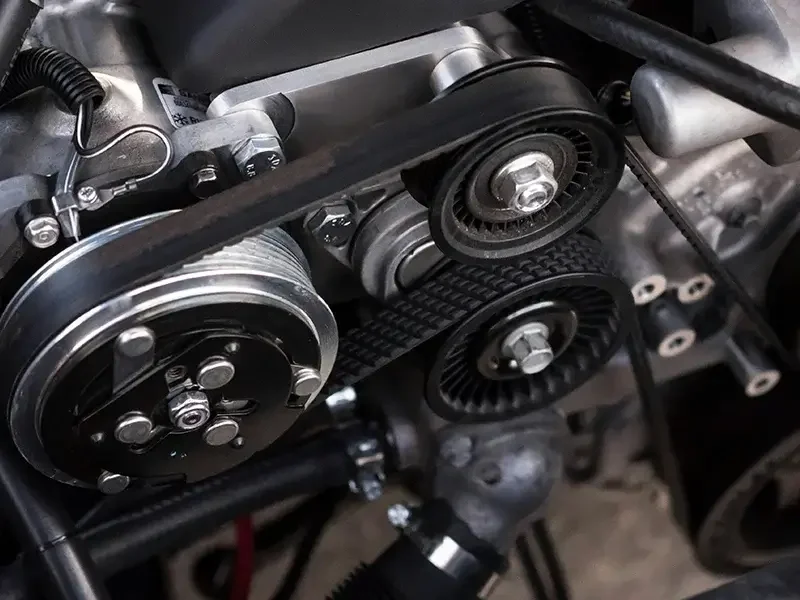
Injection molded ABS is widely used in a variety of industries due to its strength, durability, and cost-effectiveness. Typical ABS parts we manufacture include:
Automotive Industry

- Dashboard components
- Interior trim pieces
- Bumper covers
- Grilles and lighting housings
Electronics Industry
- Monitor housings
- Smartphone cases
- Keyboard keycaps
- Vacuum cleaner parts
Consumer Goods

- Appliance housings
- Toys and games
- Sporting goods
- Daily necessities
Medical Devices

- Syringe components
- Inhalers and nebulizers
- Diagnostic equipment housings
- Contactless component
Jiangzhi ABS Injection Molding Parts is Guaranteed

FAQs About Injection ABS Molding
ABS can break down if it gets too hot or stays in the barrel too long. This leads to discoloration, bad smells, or weaker parts. We avoid this by using the right temperature settings and proper cycle times.
Yes, ABS blends well with materials like PC (polycarbonate) to improve strength or heat resistance. But mixing must be done carefully to avoid compatibility issues. We’ll help you decide if blending makes sense for your project.
Cracks often come from stress during cooling, poor mold design, or even using the wrong processing temps. We focus on balanced part design and proper molding conditions to keep your ABS parts crack-free.
ABS runs well in molds made from hardened steel or aluminum, depending on your production volume. The key is smooth surfaces and good venting to avoid flow marks or burn spots.


