
Rubber Compression Molding

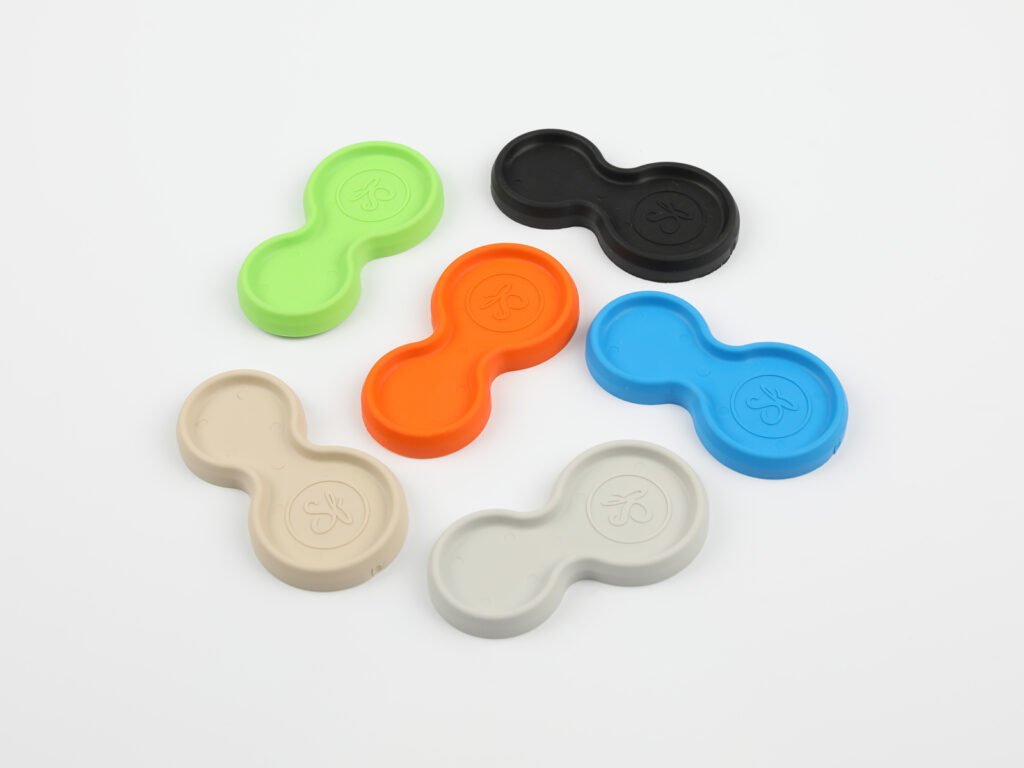
Rubber Compression Molding Solutions
Rubber compression molding looks straightforward — but most quality problems start before the press closes. Preform weight off by a few grams, mold temperature running uneven, cure time cut short to hit cycle targets: any of these will give you parts that look fine on the surface but fail early in service.
We’ve been compression molding rubber compounds long enough to know where the process goes wrong. Our focus is on getting the basics right: correct preform prep, matched curing parameters for each compound, and molds maintained to hold parting line integrity across production runs. What you get is consistent Shore hardness, repeatable dimensions, and parts that don’t need to be sorted before they ship.
Rubber Compression Molding Capabilities & Options
Typical parameters for rubber compression molded parts we manufacture are shown below for reference. Values can be adjusted based on compound selection, part geometry, tolerance requirements, and end-use application.
| Parameter | Recommended Range |
|---|---|
| Max Part Size | 800mm × 600mm (32 inch × 24 inch) |
| Rubber Materials | NR, NBR, EPDM, CR (Neoprene), FKM (Viton) |
| Shore Hardness Range | Shore A 30–90 |
| Color Options | Black (standard) / Custom colors available |
| Surface Finishes | Smooth / Matte / Textured |
| Tolerances | ±0.15–0.30 mm |
Rubber Material Properties
Rubber compression molding supports a range of thermoset rubber compounds. The right compound depends on your service environment — temperature range, chemical exposure, and whether the part is under static or dynamic load.
- NR (Natural Rubber) — excellent elasticity and tear resistance; the compound of choice for dynamic applications where rebound and fatigue life are the priority
- NBR (Nitrile Rubber) — outstanding oil and fuel resistance; the standard for hydraulic seals, fuel system components, and any application with petroleum contact
- EPDM — superior resistance to weather, ozone, and UV; widely used in outdoor sealing, water contact, and automotive weatherstripping
- CR (Neoprene) — balanced oil, weather, and flame resistance; a reliable general-purpose compound for industrial seals and mounts where neither NBR nor EPDM fully fits
- FKM (Viton) — high-temperature and chemical resistance up to 200°C and beyond; specified when NBR's limits have been exceeded and performance in harsh environments is non-negotiable
| Property | NR | NBR | EPDM | CR | FKM |
|---|---|---|---|---|---|
| Service Temp (typical) | -50°C to +80°C | -40°C to +120°C | -50°C to +150°C | -40°C to +120°C | -20°C to +200°C |
| Oil Resistance | Poor | Excellent | Poor | Good | Excellent |
| Weather / Ozone Resistance | Poor | Moderate | Excellent | Good | Excellent |
| Shore A Range | 30–80 | 40–90 | 40–80 | 40–80 | 50–90 |
- Material properties are indicative. Actual compound performance depends on formulation, curing system, and service conditions. We recommend a compound selection review before tooling.
Related Process
Get Expert Feedback on Your Rubber Part Design Before Tooling
Advantages & Disadvantages of Rubber Compression Molding
Compression molding isn’t the right process for every rubber part — and we’ll tell you that upfront. Here’s how it actually compares in practice:
-
Advantages
- Lower tooling cost than rubber injection molding
- No runner or sprue waste
- Better for thick cross-sections
- The right process for rubber-to-metal bonded parts
- Works across the full range of thermoset rubber compounds
-
Disadvantages
- Longer cycle times
- Flash is inherent to the process
- Manual preform loading
- Not suited to complex internal geometries or thin walls
Applications of Silicone Overmolded Parts
We don't just list industries — the compound choice matters as much as the process. Here's how it maps in practice:
Automotive

- Engine mount vibration pads
- Valve stem seals and hydraulic seals
- Door and window weatherstripping
- Fuel system seals
Industrial & Heavy
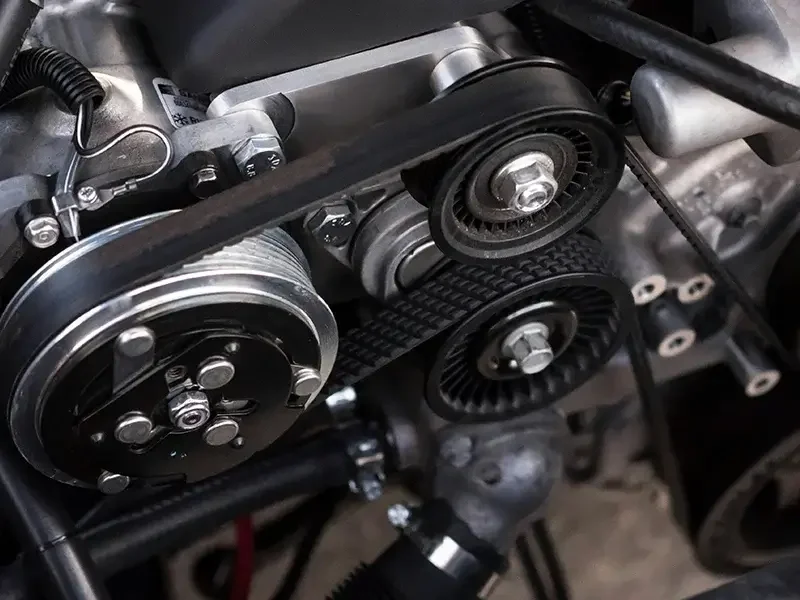
- Hydraulic cylinder and rod seals
- Chemical-resistant flange gaskets
- Anti-vibration mounts and isolators
- Pipe flange gaskets
New Energy & Electrical

- Battery pack sealing gaskets
- Cable entry grommets
- Enclosure weatherseals
General Industrial
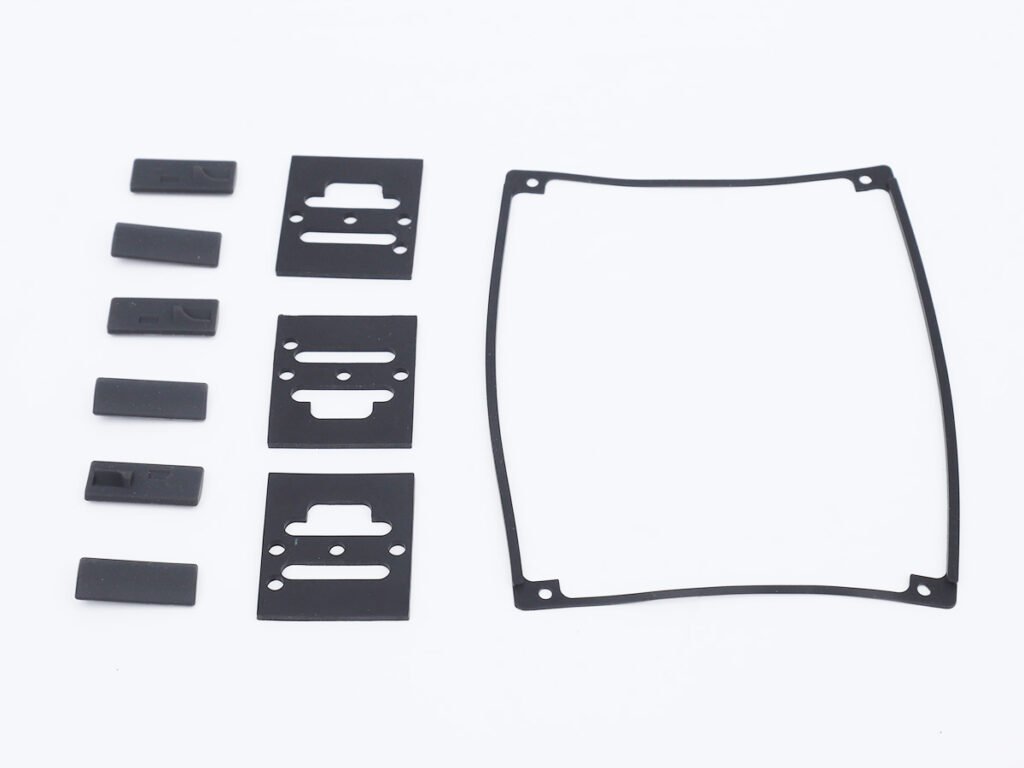
- Pump diaphragms
- Rubber feet and anti-vibration bumpers
- Custom-spec gaskets to customer compound datasheet
Jiangzhi Rubber Compression Molded Parts Are Guaranteed

FAQs About Rubber Compression Molding
The process difference is real, but the decision usually comes down to volume and part geometry. Compression molding has lower tooling cost and handles thick sections better. Injection molding is faster and more consistent for complex, small, high-volume parts. If you're unsure which is right, share your drawing and annual volume — we'll give you a straight answer.
Start with the service environment: what fluids or chemicals will the part contact, what's the temperature range, and is it static or dynamic loading? NBR covers most oil and fuel applications. EPDM for water, steam, and outdoor exposure. FKM when temperature or chemical resistance requirements exceed what NBR can handle. NR when fatigue life and rebound are the priority. We'll confirm the compound after reviewing your application — don't over-specify FKM if NBR will do the job.
Yes, and it's one of the things compression molding does well. Metal inserts are cleaned, primed, and positioned in the mold before the rubber charge is loaded. The press cycle bonds the rubber to the metal under heat and pressure. We've produced engine mounts, anti-vibration isolators, and bonded seal assemblies this way. Bond line quality is verified by peel testing on first-article samples.
Flash is controlled through precise preform weight, proper mold clamping, and optimized molding conditions. We define parting line locations during mold design and remove flash from all parts before shipment.
Typically ±0.15–0.30 mm. Rubber relaxes after demolding, which is why this range is wider than plastic parts. The dimensional accuracy controlled by bonding metal inserts is higher. If your drawing references a specific inspection standard, we measure against that.


