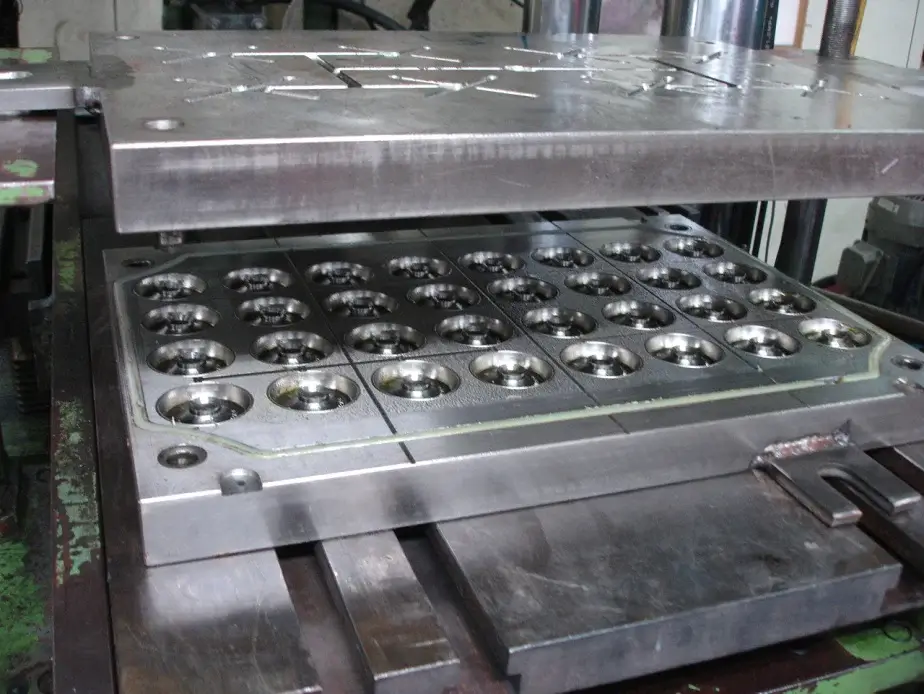
Aerospace injection molding refers to the application of injection molding technology in producing lightweight, precision-engineered plastic components for aircraft and aerospace systems. By combining design flexibility with advanced material performance, it enables complex geometries, weight reduction, and reliable performance under demanding aerospace conditions.

Why Are Aerospace Manufacturing Requirements So Strict?
Aerospace manufacturing operates under strict standards because components must perform reliably in extreme conditions. Aircraft encounter wide temperature ranges, from below -50°C at altitude to elevated temperatures near engines. Parts also face constant vibration, changes in pressure, and exposure to fuels, hydraulic fluids, and cleaning chemicals. A single failure can have serious consequences for safety.
Regulatory bodies such as the FAA and EASA enforce detailed requirements. Standards like AS9100 govern quality management, while FAR 25.853 addresses fire, smoke, and toxicity (FST) performance for cabin materials. Full traceability is required throughout the supply chain, including material certifications and production records. Weight control is another critical factor. Every additional kilogram increases fuel consumption over the aircraft’s service life, which can add to high operating costs.
These conditions differ markedly from those in other industries. Traditional metal parts often require extensive machining, resulting in high material waste and longer lead times. Aerospace molding addresses some of these challenges by enabling the production of lightweight, net-shape components. However, the materials and processes must still satisfy rigorous testing and certification protocols before they can be used in flight-critical applications.
Typical Applications of Aerospace Injection Molding
Aerospace injection molding is used across multiple areas of modern aircraft. The process supports both interior and functional components where weight savings and design flexibility provide clear value.
Aerospace Injection Molding for Interior Parts
In aircraft interiors, common parts include tray tables, armrests, seat backs, and overhead bin components. These are frequently molded from high-performance polymers such as PEI (Ultem) or polycarbonate blends that meet FST requirements. For example, injection-molded tray tables maintain structural integrity while contributing to overall cabin weight reduction. Light housings and ventilation grilles are additional interior examples produced via aerospace plastic injection molding.
Aerospace Injection Molding for Electronics
Avionics and electronic enclosures represent another major category. Connectors, sensor housings, and equipment brackets require tight tolerances, often within ±0.001 inches. Aerospace molding allows these parts to incorporate precise features and insert-molded metal contacts in a single operation. Radome components and antenna housings also benefit from the process due to the ability to form complex aerodynamic shapes with consistent wall thickness.
Aerospace Injection Molding In Engine Components
In engine and system applications, ducts, fluid conduits, and mounting brackets are produced using materials like PEEK or PPS. These polymers provide chemical resistance and dimensional stability at higher temperatures. One documented approach involves replacing multi-part metal assemblies with a single molded duct, which reduces assembly steps and potential leak points.
Aerospace Injection Molding for Exterior Parts
Exterior applications include fairings, access panels, and aerodynamic covers. These parts must withstand aerodynamic loads and environmental exposure while maintaining precise contours. Aerospace injection molding supports the integration of ribs and attachment features directly into the design, minimizing secondary operations.

Materials Used in Aerospace Injection Molding
Aerospace injection molding relies on advanced polymers that offer different combinations of strength, heat resistance, chemical stability, and flame performance. The most common materials include:
- PEI (Ultem): High heat resistance, inherent flame retardancy, and strong dimensional stability make PEI suitable for aerospace applications requiring reliable performance and FST compliance.
- PEEK: Known for excellent thermal stability, chemical resistance, and mechanical strength, PEEK performs well in demanding environments with high temperatures and exposure to aggressive fluids.
- PPS: Offers excellent dimensional stability, low moisture absorption, and resistance to fuels and hydraulic fluids, helping maintain consistent part performance.
- Polycarbonate Blends: Provide good impact strength, lightweight characteristics, and available FST-compliant grades for aerospace interior applications.
- Fiber-Reinforced Plastics: Glass or carbon fiber reinforcement improves stiffness and strength, but fiber orientation and anisotropic behavior must be considered during mold design.
Main Advantages of Aerospace Injection Molding
Weight Reduction
Aerospace injection molding provides several measurable benefits. The most prominent is weight reduction. High-performance plastic parts can weigh 30 to 50 percent less than equivalent metal components, which directly supports fuel efficiency goals.
Design Flexibility
Engineers can create complex geometries, varying wall thicknesses, and integrated features that would be difficult or expensive to machine. Insert molding and overmolding combine plastic with metal elements in one step, reducing assembly requirements.
Repeatability
Repeatability is also a critical advantage. Once a mold is validated, aerospace plastic injection molding can produce consistent parts with minimal variation. This is particularly important in aerospace programs where component uniformity is required across large production batches.
Cost Efficiency at Scale
Production efficiency improves at moderate to high volumes. Once tooling is completed, cycle times allow repeatable output with minimal material waste compared to subtractive machining. This near-net-shape capability lowers the buy-to-fly ratio.
Multi-Material Options
Material options allow engineers to match specific performance needs. Reinforced grades provide added strength, while specialized formulations address flame resistance or thermal stability. These advantages have led many programs to incorporate more injection-molded components in both new designs and retrofit applications.
Key Considerations for Aerospace Injection Molding
Despite its advantages, aerospace injection molding is not suitable for all components. Several technical and regulatory factors must be evaluated before implementation.
- Material selection requires careful analysis. Not all polymers meet aerospace standards for temperature, chemical resistance, or FST performance. Fiber-reinforced grades introduce additional considerations such as fiber orientation and potential anisotropy. The selection process must align with operating conditions and certification requirements.
- Another important factor is certification compliance. Components used in aircraft must meet strict aerospace standards, and not all injection-molded materials or processes automatically qualify.
- Production volume should be considered. Tooling costs are high, so the process is most suitable when quantities justify the initial investment. Low-volume or prototype needs may favor additive manufacturing instead.
- Tooling design and process control are equally important. Steel molds are typical for long runs, while aluminum may suffice for shorter series. Design for manufacturability (DFM) reviews identify features that could cause defects. Tolerance requirements must account for material shrinkage and environmental conditions during service.
Selecting the Right Aerospace Manufacturing Partner
Choosing a qualified manufacturing partner is essential for the successful implementation of aerospace injection molding programs.
Experience in the aerospace sector is a primary indicator, as it demonstrates familiarity with industry-specific requirements and certification standards.
Quality management systems are another key evaluation factor. Certifications such as ISO 9001 and AS9100 indicate that the manufacturer follows controlled processes for production consistency and quality assurance. These systems are critical for aerospace plastic injection molding applications where traceability is required.
Technical capability in tooling design and precision manufacturing is equally important. Aerospace components often require tight tolerances and complex geometries, so the supplier must have advanced mold design and machining capabilities.
Material handling and traceability systems are also necessary. Aerospace programs require strict documentation of material batches, processing conditions, and production history to ensure compliance and reliability.
Finally, engineering support and prototyping capability can significantly improve development efficiency. A strong partner should be able to support design validation, material selection, and process optimization before full-scale production begins.
Conclusion
The field continues to evolve: additive-injection hybrid tooling, thermoplastic composites moving into structural roles once reserved for metal, all-electric high-precision presses, and IoT-enabled, closed-loop production are pushing aerospace injection molding into a larger share of aircraft components. Keeping pace with these advances takes a partner with proven process and material expertise. Jiangzhi provides aerospace injection molding services with expertise in material selection, precision tooling, and quality control to support aerospace and industrial applications.